Do you often feel tight in your skin, especially when the winter cold hits? You're far from alone. Dry skin is a widespread problem that can make both your everyday life and your appearance less pleasant.
This guide gives you the latest advice on how to take care of dry skin step by step in 2025. We go over causes, symptoms, key ingredients to look for, an effective daily routine, product recommendations and expert tips.
Want softer, more healthy skin? Read on and discover how you can make a difference today.
What is dry skin and what does it feel like?
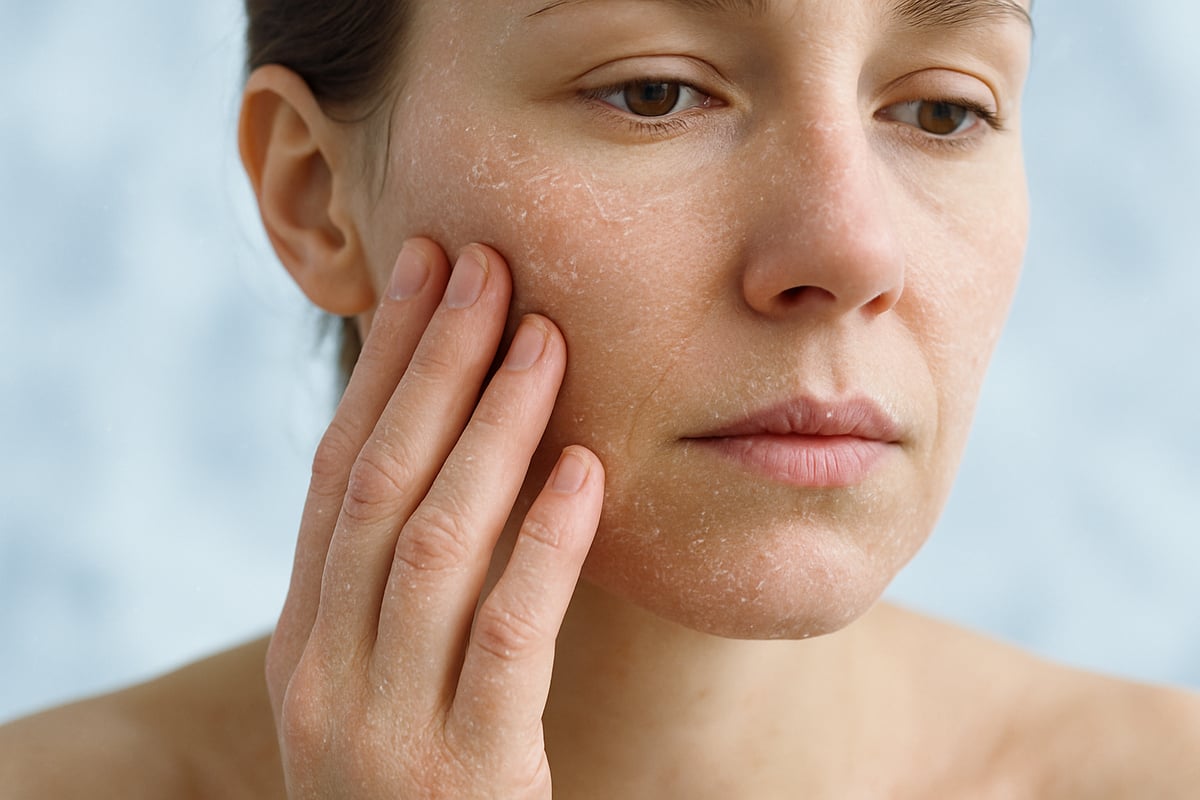
Understanding what dry skin means is crucial to choosing the right skin care. Dry skin is defined both medically and cosmetically as skin with a reduced ability to retain moisture, which leads to various unpleasant symptoms. Many people experience dry skin as tight, dull and sometimes flaky, especially during the winter months. According to industry data, up to 40% of Swedes suffer from dry skin during cold months. Common areas are the face, hands, legs and elbows. The difference between dry and extremely dry skin often lies in the degree of discomfort and visible signs, where extremely dry skin can lead to cracks and increased irritation. Different skin types are affected differently, where even normal or combination skin can have dry areas.
Definition and characteristics
Dry skin is a condition where the outermost layer of the skin has lost its natural moisture balance. Typical signs of dry skin include tightness, flaking, a dull tone, irritation and sometimes fine lines that appear more clearly. It is important to distinguish between dry skin and extremely dry skin. In extremely dry skin, the skin can become cracked and red, especially on exposed areas such as the legs and elbows.
Statistically, almost half of Swedes experience dry skin during the winter. This is mainly due to the cold climate and low humidity. Dry skin can affect all skin types, even people with normal or combination skin can get dry patches, especially on the cheeks and around the mouth. The feeling of dry skin is often most noticeable after a shower, when the skin feels extra tight and sometimes itchy.
Why do people get dry skin?
There are several reasons why dry skin occurs. External factors such as cold, wind and dry indoor air during the winter months contribute greatly. Internal factors such as genetics, age and low sebum production can also lead to dry skin. Improper skin care, such as the use of drying soaps or excessive cleansing, often worsen the condition. Certain diseases and medications, such as atopic eczema or acne medications, can also cause dry skin. A clear example is how the winter climate with cold temperatures and high air exchange quickly dries out the skin, which many people notice after just a few hours outdoors.
How does dry skin differ from sensitive skin?
It’s easy to confuse dry skin with sensitive skin, but they are different conditions. Dry skin is primarily lacking in moisture and oil, which leads to tightness and flaking. Sensitive skin, on the other hand, easily reacts to external factors with redness, burning or itching. The symptoms can overlap, especially when dry skin becomes irritated, but the causes and treatment are often different. To identify whether you have dry skin or sensitive skin, you can look at how your skin reacts to products and climate changes. For example, dry skin needs products with extra moisture, while sensitive skin requires gentle, unscented options. There are specific creams and serums adapted to each skin type, which makes it possible to tailor your routine.
Common misconceptions about dry skin
There are several myths surrounding dry skin. A common misconception is that dry skin only affects the elderly, but younger people and children can also get dry skin, especially during the winter. Many people believe that oily skin cannot become dry, but even oily skin can lack moisture and feel tight. Another myth is that water moisturizes the skin directly, but too much water and frequent washing can actually worsen dry skin. Practical examples include people who wash their faces often and skip moisturizing cream, which leads to increased dryness. To stay up to date on new effective ingredients and methods, it can be valuable to take part in Skincare Trends 2025 , where current solutions and innovations for dry skin are presented.
The main causes of dry skin in 2025
Understanding why dry skin occurs is crucial to effectively preventing and treating the condition. Below are the most significant causes of dry skin in 2025, based on current research findings and expert recommendations.

Environment and climate
The environment has a big impact on dry skin, especially during the winter months. Cold weather, low humidity and strong winds cause the skin's moisture to evaporate faster than usual. Indoor climates with radiator heating make the air even drier, which increases the risk of dry skin.
Statistics show that up to 40 percent of Swedes experience drier skin when the temperature drops. Exposed areas are often the face, hands and legs.
Tips for protecting your skin:
- Use a humidifier at home
- Wear gloves and a scarf outdoors
- Avoid staying in the cold for long periods of time without protection.
Adapting to the climate makes a big difference in preventing dry skin.
Lifestyle and habits
Your daily habits affect your risk of dry skin more than you might think. Frequent and long showers with hot water strip your skin of its natural oils. Harsh cleansers make the situation even worse.
Diet also plays a role. A lack of essential fatty acids and fluids can cause the skin to lose its natural elasticity.
Some examples of healthy habits:
- Shower at most once a day, preferably short and cool
- Choose mild soap and avoid excessive scrubbing
- Drink water and eat foods rich in omega-3
Small changes in everyday life can quickly reduce the symptoms of dry skin.
Skincare routines and wrong products
Choosing the wrong skincare products is a common cause of dry skin. Drying soaps, products with alcohol, and over-exfoliation destroy the skin's protective barrier. Dermatologists report that many consumers choose products that are not suitable for dry skin.
To avoid common mistakes, it's important to choose the right cleanser and moisturizer. Ingredients like ceramides and glycerin are especially valuable. If you want to read more about upcoming skincare trends to watch out for in 2025 , where new products for dry skin are introduced, it can provide additional guidance.
A well-thought-out routine adapted to dry skin can make a big difference in the long run.
Hormonal and medical factors
Hormones and medical conditions play a big role in dry skin. Aging naturally leads to a decrease in sebum and moisture-binding substances. Menopause and certain medications, such as acne medications, can also cause dry skin.
Conditions such as atopic dermatitis and psoriasis are common medical causes. If dry skin persists despite proper skin care, it may be a sign of an underlying problem.
Understanding these factors makes it easier to find the right treatment for dry skin and know when it's time to seek professional help.
Step-by-step: How to build a skincare routine for dry skin
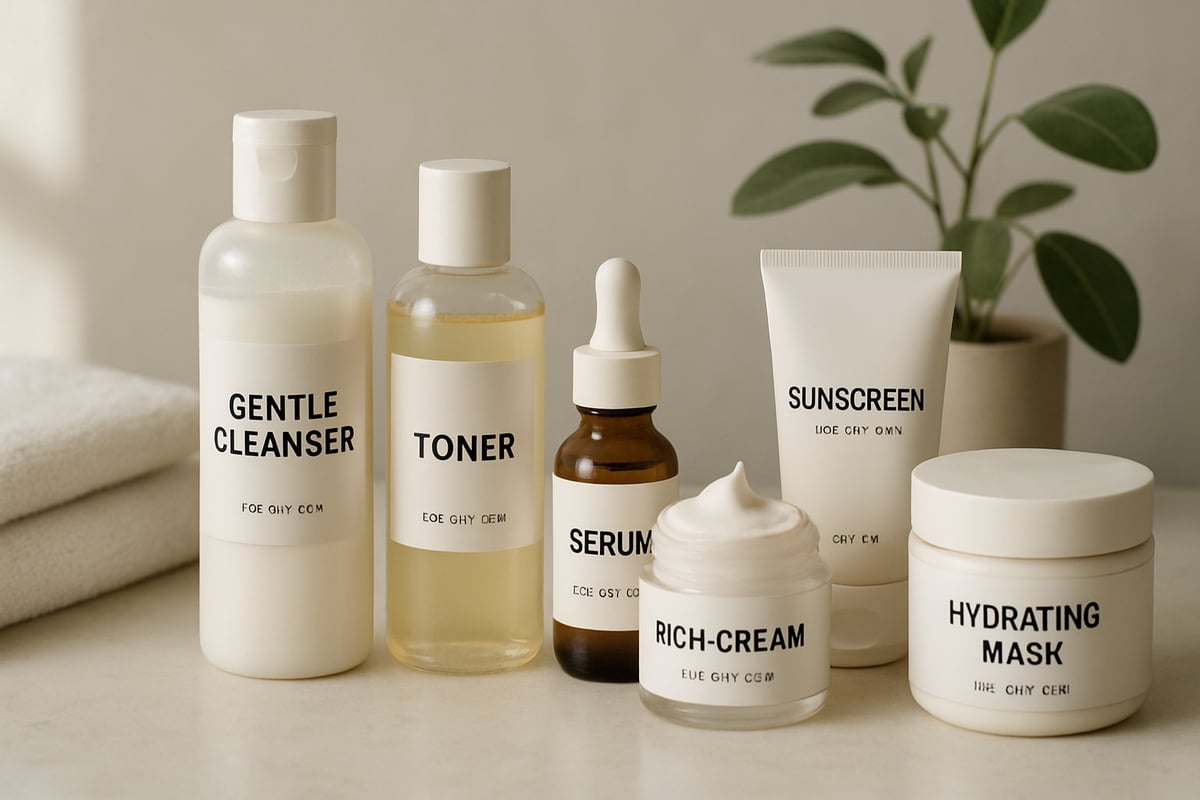
Building a skincare routine for dry skin requires dedication and the right products in the right order. With a structured routine, you can effectively hydrate, strengthen, and protect your skin year-round. Here's a detailed seven-step guide to help you optimize your skin health and reduce the discomfort of dry skin.
Step 1: Gentle cleaning
The first step towards a balanced skincare routine for dry skin is gentle cleansing. Always choose a gentle cleansing milk or cleansing oil that cleanses without drying out. Avoid foaming and heavily perfumed products, as these can often aggravate dry skin and cause irritation.
Compare cleansing milk and gel: milk is creamier and better suited for dry skin, while gel can feel drying. Always wash your face with lukewarm water, as hot water risks removing the skin's natural protective layer and worsening the feeling of dryness.
- Use a mild cleansing milk or oil
- Avoid foaming products
- Rinse with lukewarm water.
By starting your routine this way, you lay the foundation for combating dry skin right from the moment you cleanse.
Step 2: Moisturizing toner and essence
After cleansing, dry skin needs a restorative step to help lock in moisture and prepare the skin for future products. A hydrating toner restores the skin's pH and makes it receptive to serums and creams. Look for ingredients like glycerin and hyaluronic acid, which are known for their ability to attract and bind water.
Examples of effective products are Milk Skin Toner and similar toners from well-known brands, which are specifically developed for dry skin. An essence can provide additional moisture and nourishment, especially for extra dry areas.
- Restores skin balance
- Prepares for serum and cream
- Contains moisture-binding ingredients
Using toner and essence is a simple yet powerful way to give dry skin extra comfort and radiance.
Step 3: Serums and boosters
Serums and boosters are highly concentrated products that penetrate deeper into the skin than regular creams. For dry skin, serums with hyaluronic acid, ceramides or squalane are recommended, as these ingredients both moisturize and strengthen the skin barrier.
The difference between serum and moisturizer is that serum is thinner and more concentrated, which allows for rapid delivery of active ingredients to the skin. Bioline Jatò Aqua+ Nectar In Drops is an example of a serum that provides intense hydration for dry skin.
- Deep-acting hydration
- Strengthens the skin barrier
- Suitable for use both morning and evening
Regular use of serum can make a big difference to dry skin and contribute to a smoother and more supple surface.
Step 4: Rich hydration with the right cream
After serum, it's time to lock in moisture with a rich cream. For dry skin, creams with urea, ceramides, shea butter, and natural oils are especially effective. These ingredients help to both hydrate and strengthen the skin's protective barrier.
The difference between day and night creams often lies in the consistency and nutritional content: day creams are lighter and protect against external stress, while night creams are more nourishing. Examples of products are Eucerin UreaRepair and COSRX Ceramide Cream. To increase the effect of creams, new technologies, such as new needle technology that improves the absorption of skin creams , may be interesting to follow in the future.
- Apply immediately after showering.
- Choose cream according to needs and season
- Feel free to combine with oil if necessary.
By choosing the right cream and method, you can effectively relieve and prevent dry skin.
Step 5: Protect your skin during the day
Protection is crucial when you have dry skin, especially during the day. Sun protection is important all year round, even in the winter, when UV rays can dry out and damage the skin. Choose SPF products that are formulated for dry skin and contain moisturizing ingredients.
La Roche-Posay Anthelios Sun Lotion SPF50+ is an example of a sunscreen product that both protects and moisturizes. Apply sunscreen as the last step in your morning routine to give your skin maximum protection against external factors.
- Sun protection even on cloudy days
- SPF products for dry skin
- Protects against dehydration and aging
Using sunscreen reduces the risk of further dehydration and helps maintain skin health.
Step 6: Extra care – peeling and masks
In addition to your basic routine, dry skin sometimes needs extra care. Gentle exfoliation 1–2 times a week helps remove dead skin cells and improve moisture absorption. Choose an enzyme peel or mild acid peel to avoid irritation.
Moisturizing masks are a great way to give your skin an extra boost. Dermalogica Daily Milkfoliant and Elementre Enzyme Peel Gel are examples of products that are suitable for dry skin. Feel free to leave a leave-on mask on overnight for maximum hydration.
- Gentle exfoliation
- Moisturizing masks
- Improves skin's absorption capacity
Regular extra care helps keep dry skin soft and supple.
Step 7: Adapt the routine to the season and needs
The need for care varies depending on the season and the current condition of the skin. During the winter, it may be necessary to use more nourishing creams and supplement with oils. In the summer, lighter products are often sufficient.
Adjust the amount and type of products according to how your dry skin feels from day to day. Tips include using a humidifier in your home and avoiding excessive washing, especially when the air is dry and cold.
- More nourishing products in winter
- Lighter moisturizers in the summer
- Adapt to your skin's daily condition
A flexible routine allows you to meet your skin's needs and effectively combat dry skin all year round.
The Best Ingredients for Dry Skin 2025
Choosing the right ingredients is crucial when it comes to effectively managing dry skin. Below are the key ingredients to look for in dry skin products in 2025. Each ingredient has unique properties that strengthen, hydrate, and protect the skin from external and internal stressors.
Ceramides and fatty acids
Ceramides are lipids that are naturally found in the outermost layer of the skin and act as the glue that holds skin cells together. For dry skin, ceramides are absolutely essential because they strengthen the skin barrier and help retain moisture. Fatty acids, such as omega-3 and omega-6, act in a similar way, protecting the skin from drying out.
As we age, the amount of ceramides in the skin decreases, making dry skin more common. Products like COSRX Ceramide Cream and Torriden products are rich in these substances and are great for those with dry skin.
- Ceramides restore barrier function
- Fatty acids soften and protect
- Also suitable for sensitive skin
Including ceramides in your routine gives skin strength and long-lasting comfort.
Hyaluronic acid and glycerin
Hyaluronic acid and glycerin are both humectants that attract and retain water in the deeper layers of the skin. For dry skin, it is important to use products with these ingredients, as they increase elasticity and give the skin a fresh glow. Hyaluronic acid comes in different molecular sizes, with smaller molecules penetrating deeper and providing more intense hydration.
Glycerin is a classic ingredient that works in all climates and skin types. Many serums and creams for dry skin contain high levels of both hyaluronic acid and glycerin, providing immediate and long-lasting results.
- Hyaluronic acid binds up to 1000 times its weight in water
- Glycerin protects against dehydration
- Suitable for daily use for dry skin
By choosing products with these substances, you get maximum support for your skin's moisture levels.
Carbamide (urea) and lactic acid
Urea, also known as urea, is an effective ingredient for hydrating and softening dry skin. It also has a mild exfoliating effect, which means it gently removes dead skin cells and improves the skin's ability to absorb moisture. Lactic acid works in a similar way, helping to renew the skin's surface without irritating.
Eucerin UreaRepair is an example of a product range that combines urea and lactic acid for optimal effect on dry skin. New research findings on skin rejuvenation, such as New research on skin rejuvenation , highlight how these ingredients can work together with modern skincare to provide long-lasting results.
- Urea moisturizes and softens
- Lactic acid gently exfoliates
- Particularly suitable for very dry skin
Using these ingredients regularly can make a big difference to your skin's texture and radiance.
Natural oils and butters
Natural oils and butters, such as shea butter, jojoba oil and squalane, are known for their nourishing and protective properties. For dry skin, these ingredients offer a nourishing boost that strengthens the skin barrier and prevents moisture loss. Shea butter is rich in vitamins and fatty acids, making it especially good for sensitive and dry skin.
Organic oils are often free of synthetic additives and are suitable for those who want clean and gentle skin care. Products with shea butter and jojoba oil give the skin softness and long-lasting hydration.
- Nourishing and protective
- Also suitable for very dry skin and sensitive skin
- Contributes to the skin's natural balance
Including natural oils and butters in your routine is an easy way to give dry skin extra care.
Product Tip: Effective Products for Dry Skin 2025
Finding the right products is crucial for those who want to combat dry skin and achieve a soft, balanced skin feel. Below are proven recommendations for both face and body, specifically selected to meet the challenges of dry skin.
Facial care: Cleanser, toner and serum
For dry skin, a gentle cleansing routine is the foundation for a healthy skin barrier. Choose a cleansing milk like Avène Tolérance Extremely Gentle Cleanser, which effectively removes dirt without drying out.
A hydrating toner, such as TIRTIR Milk Skin Toner or ANUA Heartleaf 77 Clearpad, helps restore the skin's pH and prepares it for the next step. The Bioline Jatò Aqua+ Nectar In Drops serum provides intense moisture and strengthens the skin's resistance.
- Cleansing milk: Mild and perfume-free
- Toners: Moisturizing ingredients like glycerin
- Serum: Hyaluronic acid and ceramides
By investing in these products, you build a solid foundation for managing dry skin year-round.
Moisturizers and protection
A rich and nourishing cream is essential for those with dry skin. COSRX Balancium Comfort Ceramide Cream and Torriden SOLID-IN Ceramide Cream strengthen the skin barrier thanks to ceramides and natural oils.
For the night, MANTLE The Rich Cream is recommended, which provides deep-acting nourishment while you sleep. In cold weather, Avène Cold Cream effectively protects against dehydration and external stress.
| Product | Main ingredients | Use |
|---|---|---|
| COSRX Ceramide Cream | Ceramides, squalane | Day/night |
| MANTLE The Rich Cream | Shea butter, oils | Night |
| Avène Cold Cream | Wax, oils | Winter protection |
These creams are specially developed to provide long-lasting moisture to dry skin.
Body care for dry skin
Dry skin on the body requires gentle cleansing and abundant hydration. Choose a shower oil like Eucerin AtoControl Calming Shower Oil or Bioderma Atoderm Anti-Irritation Shower Oil to preserve the skin's natural oils.
After showering, apply a body lotion with urea, such as HTH Original Body Lotion or Eucerin UreaRepair. These products are free of strong perfume and are also suitable for sensitive skin.
- Shower oil: Protects and soothes
- Body lotion: Deeply moisturizes
- Tip: Lubricate your skin immediately after showering
By adapting your body care, you can easily prevent and relieve dry skin.
Serums, masks and extra care
To provide extra moisture and nourishment to dry skin, it is wise to supplement with serums and moisturizing masks. A leave-on mask for the night enhances the effect of your daily routine.
Gently exfoliate with Dermalogica Daily Milkfoliant or Elementre Enzyme Peel Gel to remove dry skin cells, but avoid overuse. Combine with serum and mask for maximum hydration.
- Serum: Deep-acting ingredients
- Mask: Intense moisture overnight
- Peeling: Gentle exfoliation
With the right combination of these products, dry skin gains new life and luster.
Lifestyle tips and common mistakes for dry skin
Managing dry skin isn't just about the products you use. Your daily habits and the environment you live in also play a crucial role in your skin's moisture levels and comfort.
Environment and everyday habits
The environment you live in plays a big role in dry skin. Cold temperatures and low humidity make it easier for your skin to lose moisture, especially during the winter months. Indoor climates with radiators or air conditioning often exacerbate the problem.
To combat dry skin, it is recommended:
- Use a humidifier, such as the Beurer LB 37, to increase the humidity at home.
- Dress in protective layers and use gloves to protect your hands.
- Avoid washing your hands and face too often with hot water.
By adjusting your daily routines, you can create a more favorable environment for your skin and reduce the risk of dry skin.
Diet and internal health
What you eat and drink directly affects how your skin feels. Dry skin can be worsened if your body is not getting enough water or is lacking in important nutrients.
Tips for promoting skin health:
- Eat foods rich in omega-3s, such as fatty fish, walnuts, and flaxseed.
- Fill up on water-soluble vitamins from fruits and vegetables.
- Drink enough water every day.
Studies show that a balanced diet and good hydration can improve dry skin. Avoid excessive alcohol consumption and smoking, as these factors make the skin drier.
Common mistakes and how to avoid them
Many people make mistakes in their skincare routine that can worsen dry skin. Here are some common pitfalls and how to avoid them:
| Mistake | Solution |
|---|---|
| Over-exfoliation | Limit exfoliation to 1–2 times per week |
| Use of drying soaps | Choose gentle, perfume-free cleansers |
| Waiting too long to apply moisturizer after showering | Apply moisturizer directly to slightly damp skin |
Small changes to your routine can have a big impact on dry skin. Listen to your skin's signals and adjust your products accordingly.
When should you seek help?
Sometimes self-care isn't enough to improve dry skin. If you're experiencing itching, redness, or flaking despite using the right products, it could be a sign of eczema or psoriasis.
Seek help if:
- Dry skin does not get better with moisturizing products.
- The skin cracks, bleeds or hurts.
- You suspect an underlying skin disease.
A dermatologist or doctor can advise you and help you find the right treatment. Early intervention can prevent dry skin from developing into a bigger problem.
Natural skin care for dry skin – with éclore
Choosing natural skin care is a gentle and effective way to care for dry skin. Éclore offers products that are specifically formulated to nourish, moisturize and balance both the face and body.

Éclore products are free from synthetic additives and manufactured in Europe with a focus on sustainability. The range includes face cream with hyaluronic acid , organic body oils and serums for extra moisture .
For those who want everyday luxury and long-term health for dry skin, éclore is a natural choice. Free shipping is also offered on larger orders within Sweden.
Natural ingredients help the skin regain its radiance and protect against dehydration over time.
Now you have the latest advice on how to care for dry skin and know which ingredients and routines really make a difference. If you want to nourish your skin with natural, carefully selected products that both moisturize and strengthen the skin barrier, you will find a wide range at éclore. Here you can discover face creams with hyaluronic acid, organic body oils and serums adapted for sensitive and dry skin – all made with a focus on quality and sustainability. Take a look and find your new favorites for healthier skin in 2025:
See our range