Do you dream of youthful skin but struggle with visible signs of aging? You’re not alone. As skin needs change, more and more people are looking for effective solutions. This guide explains how an anti-aging toner works and how it can help you achieve smoother, more radiant skin in 2025. We’ll go over what a toner is, how anti-aging formulas work, step-by-step instructions, key ingredients, realistic results, and future trends. Read on to discover scientific insights and practical tips to optimize your skincare routine.
What is a Toner and Why Is It Needed?
Understanding what a toner actually is and why it has become an indispensable step in modern skincare is crucial to optimizing your routine. A toner is a lightweight product that is applied immediately after cleansing and acts as a bridge between cleansing and moisturizing. Traditionally, toners were primarily used to remove dirt or makeup residue, but today's formulations have evolved significantly.
What is a toner?
A toner is designed to restore the skin's pH level after cleansing, which is key to maintaining the skin's natural protective barrier. When you wash your face, the pH balance can be disrupted, which can make the skin more vulnerable to irritation and dehydration. By using an anti-aging toner immediately after cleansing, you prepare the skin to effectively absorb subsequent products such as serums and creams.
Classic toner vs toner anti age
There are clear differences between classic toners and modern anti-aging toners. Classic toners often contained alcohol and were intended to tighten pores and remove excess oil. Today, the trend is to create more caring, multifunctional toners that not only moisturize but also address specific skin needs, such as signs of aging.
| Property | Classic toner | Anti-aging toner |
|---|---|---|
| Main purpose | Cleaning, pH | Anti-aging, pH, care |
| Active ingredients | Alcohol | Peptides, AHAs |
| Effect on the skin | Tightening | Moisturizing, firming |
Different types of toners and their popularity
Today, there are several different types of toners, including hydrating, exfoliating, soothing, and anti-aging toners. Hydrating toners often contain hyaluronic acid or glycerin, while exfoliating varieties may contain AHA or BHA acids. Soothing toners use ingredients like aloe vera and chamomile, while anti-aging toners focus on ingredients like peptides and antioxidants.
Interest in toners has increased significantly in the Nordics. According to Apotea, toner sales increased by over 30 percent in 2023. If you want to explore different variants and find the right anti-aging toner for your skin type, check out our range of facial toners .
Why mature skin needs anti-aging toners
Mature skin often has a greater need for hydration, cell renewal and protection from external stressors. An anti-aging toner is therefore an important step, not only to balance the pH value, but also to maximize the effect of serums and creams. By choosing an anti-aging toner with the right active ingredients, you can strengthen the skin's resistance and contribute to a smoother, more youthful skin tone.
Including an anti-aging toner in your daily routine is a smart way to take your skincare to the next level and give your skin the best conditions for the future.
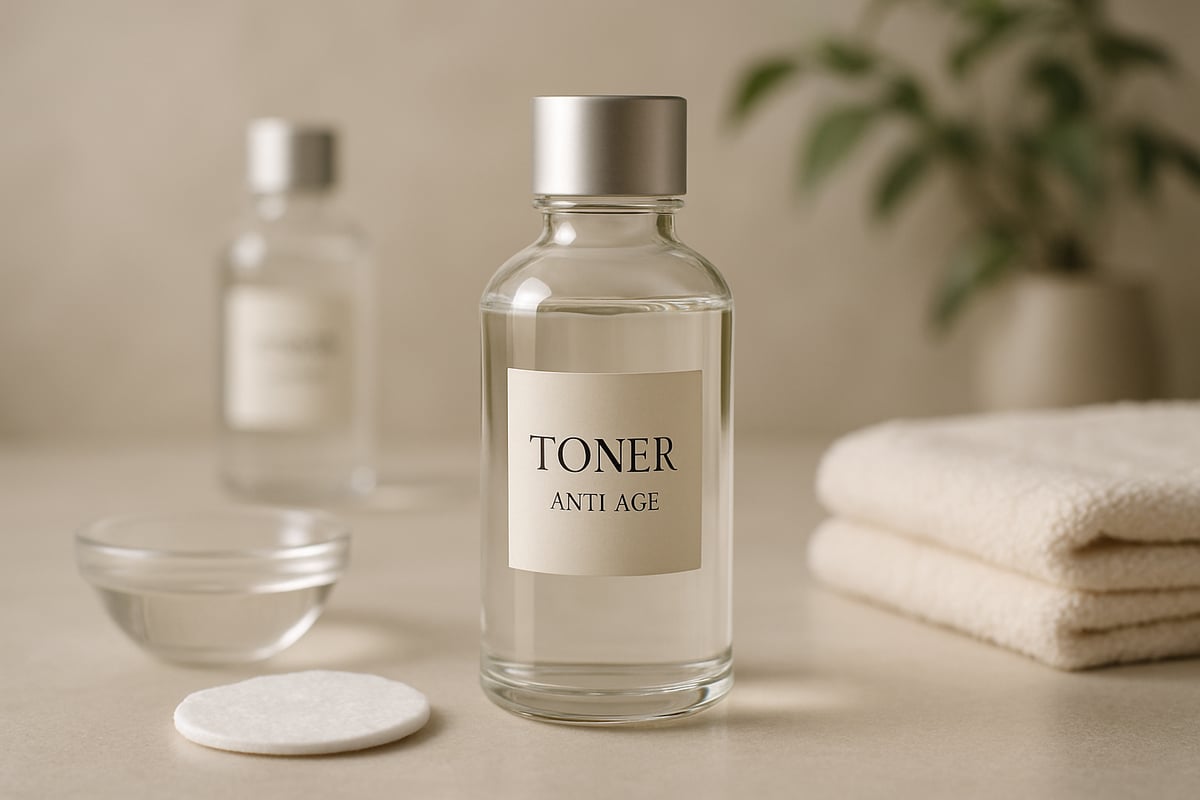
Step-by-Step: How to Use Anti-Age Toner for Best Results
Using toner anti-aging correctly is crucial to getting the most out of your skincare routine. Many people skip this step or apply the product incorrectly, which can reduce the effectiveness of subsequent serums and creams. With a well-thought-out strategy, you can easily integrate toner anti-aging into your daily routine and see clear results over time.
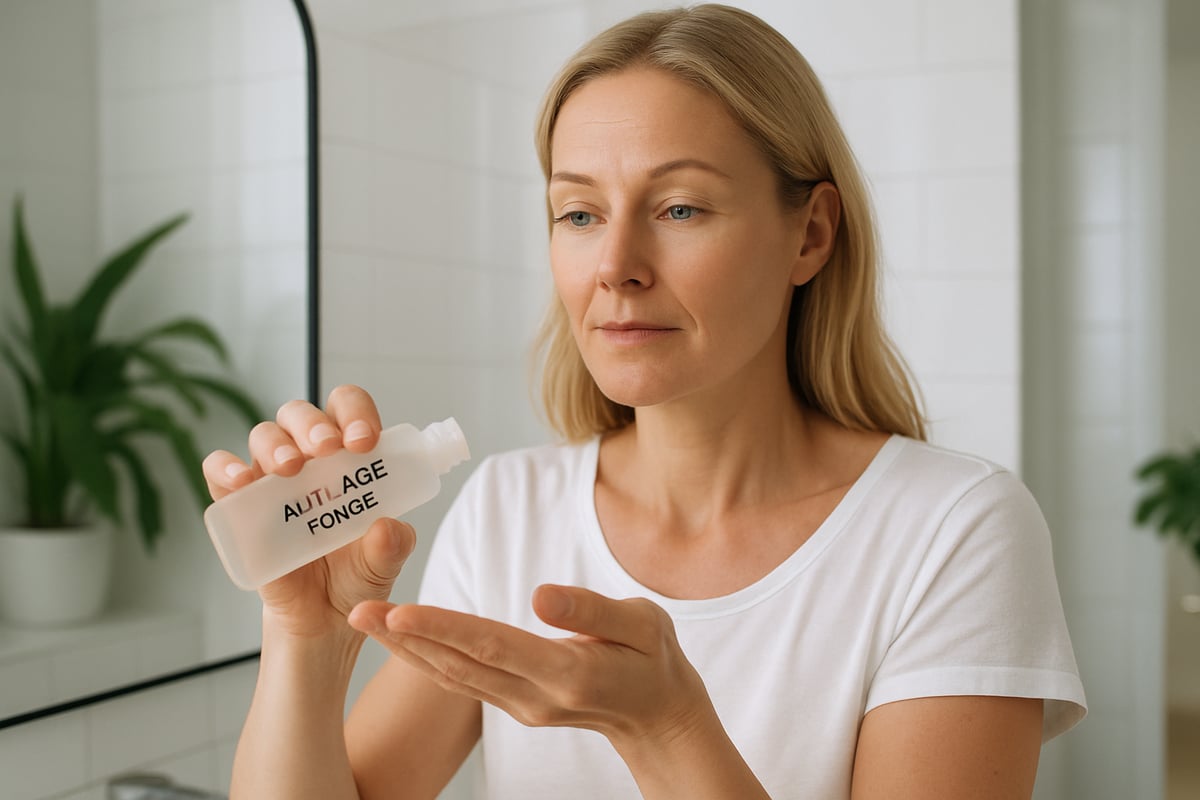
1. When should you use anti-aging toner?
Always start by thoroughly cleansing your skin. After cleansing, your skin is most receptive to active ingredients. This is where anti-aging toner comes in. It is applied directly after cleansing, before moving on to serum and cream. This step restores the skin's pH, removes cleanser residue and prepares the skin to better absorb subsequent products.
2. How do you apply anti-aging toner – cotton pad or hands?
You can use either a cotton pad or your hands to apply anti-aging toner. Using a cotton pad, gently sweep it over your face, which is especially effective if you want to remove any last traces of dirt or makeup. However, many people prefer to pour a few drops of anti-aging toner into the palms of their hands and pat it directly onto their skin. This method minimizes product waste and provides a soft, moisturizing feel.
3. Dosage and frequency for best results
How much and how often should you use anti-aging toner? A small amount, about a teaspoon, is enough for the entire face. Apply morning and evening for optimal protection and effect. Choose an anti-aging toner that suits your skin type and season – during the winter you may need a more hydrating variant, while the summer may require a lighter formulation.
4. Tips to avoid irritation
Anti-aging toners often contain active ingredients such as AHA, BHA or retinol. To avoid irritation, do not combine too many strong products at once. If you have sensitive skin, introduce anti-aging toners gradually and always do a patch test first. For more advice on gentle skin care, visit Skincare for Sensitive Skin for expert tips.
5. Example of optimal anti-aging routine 2025
A complete routine might look like this:
- Cleaning with mild cleanser
- Apply anti-aging toner
- Serum with active ingredients (e.g. peptides or hyaluronic acid)
- Eye cream
- Day or night cream
- Sunscreen in the morning
This sequence ensures that each product has the best possible effect and that the anti-aging toner acts as a bridge between cleansing and treatment.
6. Common mistakes and how to avoid them
- Skipping anti-aging toners altogether
- Using too much product, which can leave a sticky feeling
- Combining too many active ingredients without acclimating the skin
- Applying to dry skin, which can reduce absorption
Avoid these mistakes by being consistent and sensitive to your skin's signals. Adapt your anti-aging toner to the season and skin type for best results.
7. Adapt and introduce new products
When introducing a new anti-aging toner, start slowly. Test on a small area of skin first. Then gradually increase usage. If you change anti-aging toners at the change of season, let your skin get used to it before combining with other new products. Listen to your skin and adjust your routine as needed.
With these steps and insights, you can use anti-aging toners in a way that truly promotes youthful skin and long-term well-being.
Key Ingredients in Anti-Age Toners 2025
Choosing the right ingredients in your anti-aging toner is crucial to achieving visible and long-lasting results. In 2025, we see a clear trend towards multifunctional and scientifically proven substances that not only counteract the signs of aging, but also strengthen the skin's barrier and provide increased radiance.
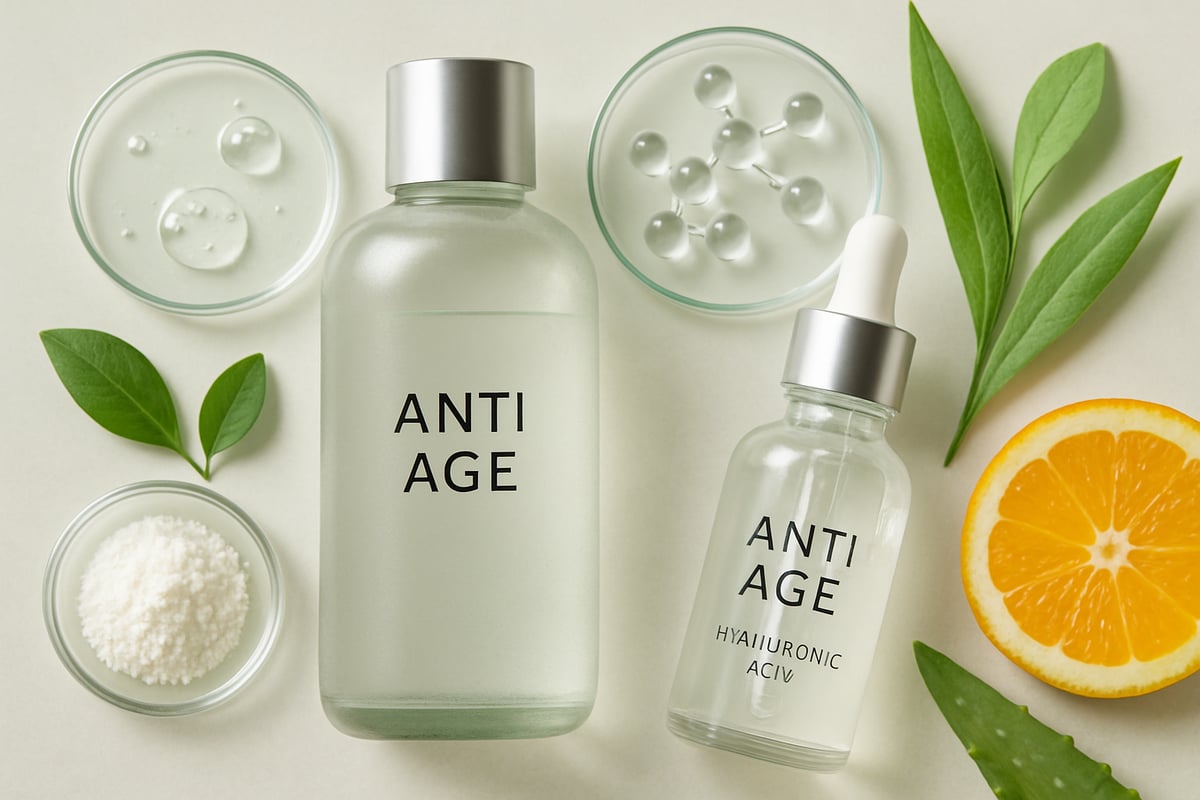
Hyaluronic Acid – Deep hydration and plumpness
Hyaluronic acid is a star ingredient in anti-aging toners, thanks to its ability to bind moisture deep into the skin. A single molecule can hold up to a thousand times its own weight in water, giving skin instant plumpness and reducing the appearance of fine lines.
This makes hyaluronic acid a must-have in toners for those looking to prevent dryness and maintain youthful elasticity. Many formulations combine different molecular sizes for both superficial and deep hydration.
Peptides – Collagen and elastin stimulant
Peptides are short chains of amino acids that act as signaling molecules and stimulate the skin's own production of collagen and elastin. When anti-aging toners contain peptides, they can help improve skin's firmness, elasticity and structure.
Peptides are especially important for mature skin, where natural collagen production declines with age. New research shows that certain peptides can also soothe and strengthen the skin barrier.
Niacinamide – Even skin tone and barrier protection
Niacinamide, also known as vitamin B3, is a multifunctional ingredient that has become increasingly common in anti-aging toners. It helps to even out skin tone, reduce pigmentation spots, and strengthen the skin's protective barrier.
Additionally, niacinamide has anti-inflammatory properties that make it suitable even for sensitive skin. Many people appreciate niacinamide for its ability to reduce pores and provide clearer, healthier skin.
AHA/BHA – Gentle exfoliation and cell renewal
AHA (alpha hydroxy acids) and BHA (beta hydroxy acids) are acids that gently exfoliate the skin's surface and stimulate cell renewal. An anti-aging toner with AHA or BHA can help reduce fine lines, improve skin texture, and give more radiance.
AHA is mainly suitable for dry and mature skin, while BHA is effective for combination skin and skin with clogged pores. The combination of acids in toners can be adapted to skin type and desired results.
Antioxidants – Protection against free radicals
Antioxidants like vitamins C, E and ferulic acid protect the skin against damage from free radicals, which accelerate the aging process. An anti-aging toner with antioxidants strengthens the skin's resistance and gives extra glow.
These ingredients often work together with other active ingredients to maximize their effects. The article on anti-aging creams and effective ingredients provides an in-depth look at which ingredients really make a difference in the fight against the signs of aging.
Trends: Clean beauty and transparency
In 2025, consumers are demanding greater transparency around content and origin. “Clean beauty” means that anti-aging toners should not only be effective, but also free of questionable additives and manufactured with a focus on sustainability.
At the same time, we see a strong trend towards multifunctional products, where a toner can combine several of the above ingredients for maximum effect and simplicity in the routine. Tables and clear ingredient lists make it easier to compare products and make informed decisions.
Expected Results and FAQs about Anti-Age Toners
Starting an anti-aging toner often comes with the expectation of rapid improvements in the appearance of your skin. Many people wonder how long it actually takes before you see noticeable results. Typically, users report that their skin tone becomes more even and their skin feels hydrated after about two to four weeks, but for a noticeable reduction in fine lines and improved elasticity, it can take up to eight weeks. The time varies depending on the strength of the ingredients, the current condition of your skin, and how consistently you use your anti-aging toner. Being patient and following your routine regularly is crucial for the best results.
What effects can you realistically expect from an anti-aging toner? Most people experience softer and more balanced skin, increased radiance and a gradual reduction in fine lines. Results are affected by skin type and age. Younger skin may notice faster improvements in moisture levels and texture, while mature skin often sees the biggest difference in firmness and smoothness. For those looking for natural radiance and vitality without makeup, an anti-aging toner can, together with other products, create visible effects, which you can read more about on the Natural glow without makeup page.
It is common to ask whether an anti-aging toner can replace serum or whether it is necessary for mature skin. Anti-aging toner is a complement rather than a replacement. It prepares the skin and maximizes the effect of subsequent serums and creams. For mature skin, this step is especially important because the skin often has more difficulty retaining moisture and needs support in cell renewal. Other questions are about which anti-aging toner is best or whether you can use several active ingredients at the same time. Here it is wise to introduce new products carefully and preferably do a patch test before full use.
Side effects are uncommon when using anti-aging toners correctly, but some redness or a slight stinging sensation may occur initially, especially if the product contains acids. If irritation persists, use should be paused. Swedish user reviews often describe benefits such as smoother skin and improved radiance. However, it is important to remember that skin care results are individual and require continuity. For an overview of different products and reviews, you can visit the Anti-aging skin care category , where you can get inspiration for your own skin care journey.
Future Trends: Anti-Age Toners and Innovative Skincare 2025
The future of anti-aging toners looks both exciting and dynamic. By 2025, the market is expected to be characterized by advanced technology, sustainability and tailored solutions. Consumers are demanding not only visible results, but also products that are gentle on both the skin and the environment.
As new research and technologies emerge, anti-aging toners are evolving to be more effective and multifunctional than ever. What does this mean for those of you who want to invest in youthful skin? Here are the most important trends to keep an eye on.
New technologies and ingredients
Innovation in anti-aging toners is driven by technologies like microencapsulation, which encapsulates active ingredients like retinol and peptides for better stability and efficacy. Fermented ingredients, such as fermented rice water, increase both nutrient absorption and skin tolerance.
Adaptogens, extracts from plants such as ashwagandha and reishi, are becoming increasingly common in anti-aging toners to counteract oxidative stress and strengthen the skin's resilience. According to a scientific study on retinol's anti-aging effects , retinol has been shown to be particularly effective in stimulating cell renewal and reducing fine lines.
- Micro-encapsulation for protection and deeper penetration
- Fermented extracts for increased bioactivity
- Adaptogens as protection against external stressors
These technologies make next-generation anti-aging toners a powerful tool for skin rejuvenation.
Sustainability and consumer demands
Sustainability is no longer a trend, but a requirement. Consumers are looking for anti-aging toners with natural ingredients, recyclable packaging and transparent production chains. Multifunctional products that combine toner and serum reduce the number of steps in the routine and thus the environmental impact.
Many are choosing products with bioactive compounds from plants, which is also supported by an overview of anti-aging ingredients from natural sources . This shows that the future of anti-aging toners is not only focused on results, but also on long-term skin health and the well-being of the planet.
- Organic and vegan options
- Refills and reusable bottles
- Certifications such as COSMOS or Ecocert
Choosing the right anti-aging toner is as much about ethics as it is about effect.
Market developments and innovations
The market for anti-aging toners is growing rapidly, both globally and in Sweden. Statistics show that the demand for advanced anti-aging skin care has increased significantly in recent years. Leading companies are launching products with combined functions, such as toner-serum hybrids and products with built-in UV protection.
Examples of innovations:
- Sensor-based applicators that measure skin moisture balance
- Formulas with multiple active ingredients for tailored effects
- Smart packaging that minimizes oxidation and waste
The development is driven by consumers' desire for simplicity, effectiveness and sustainability in their toner anti-aging routines.
AI, personalization and future tips
Artificial intelligence is revolutionizing the way we choose and use anti-aging toners. AI-powered apps analyze your skin and recommend products based on individual needs. This makes it easier to find anti-aging toners that truly match your skin type and goals.
Personalization also means you can track the product's effects over time and adjust your routine as needed. To stay up to date on new launches and ingredients, follow industry-leading brands, read scientific articles, and dare to try innovations.
The anti-aging toner of the future is where science, technology and sustainability meet. Investing in the right products is an active step towards both youthful skin and responsible consumer choice.
Now that you have a clear picture of how anti-age toners work and which ingredients can give your skin new life, it's time to take the next step towards more youthful and balanced skin. We know that choosing the right products makes a big difference and that natural ingredients can be crucial for both results and long-term skin health. If you want to explore carefully selected toners and other skincare products that combine science with sustainability, you can benefit from seeing our range to find what suits you and your skin's needs.