Retinol has quickly become one of the most talked about ingredients in skincare heading into 2025. More and more people are looking for effective methods for radiant skin, but what makes retinol so special compared to natural alternatives like bakuchiol?
In this guide, you'll learn all about how retinol works, its benefits and risks, how to choose the right product and avoid common mistakes. We also compare retinol vs. bakuchiol, so you can find the best option for your skin.
Whether you're a beginner or experienced in skincare, this guide gives you expert tips to get the most out of your routine and achieve visible results.
What is retinol? Facts, history & science
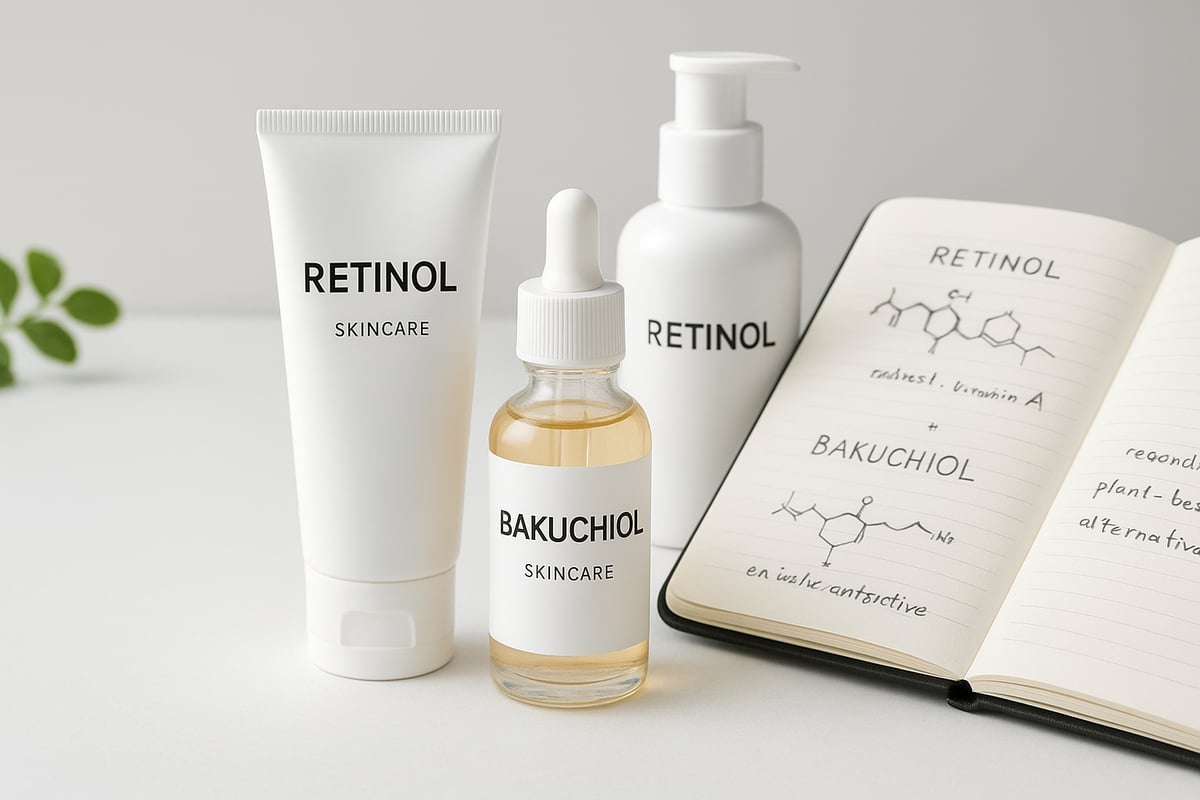
Retinol is an ingredient that has made a huge impact in skincare in recent years. But what exactly is retinol, and why has it become so central to the fight for radiant skin? To understand retinol's role, we need to look at its history, how it works in the skin, and how it stacks up against natural alternatives like bakuchiol.
The origin and development of retinol in skincare
Retinol began to be used in dermatology as early as the 1970s, when researchers discovered its potential to treat acne and improve skin texture. Originally extracted from animal sources, retinol is now used in skin care products that are synthetically produced for both safety and effectiveness. The development has been rapid; from medical treatments to now being found in everything from serums to day creams. Statistics show that the number of products containing retinol has increased by over 300 percent in the last five years, a sign of its growing popularity and trust among consumers.
How retinol works in the skin
Retinol is a form of vitamin A and acts as a powerful antioxidant. When retinol is applied to the skin, it is gradually converted into retinoic acid, the active form that affects skin cells. The molecular structure of retinol allows it to penetrate the top layer of the skin and stimulate cell renewal in depth. The result is improved skin texture, more even skin tone and increased collagen production. For those who want to delve deeper into the subject, we recommend Everything You Need to Know About Vitamin A and Retinol in Skincare, which explains the scientific background in detail. By understanding how retinol works, it will also be easier to choose the right product and use it safely.
Different forms of retinoids and their strengths
There are several forms of retinoids in skin care. Retinol is the most common in cosmetic products, but there are also retinyl palmitate (milder), retinal (faster effect) and tretinoin (prescription and powerful). Over-the-counter products often have between 0.2 and 1 percent retinol, while prescription products require close monitoring by a dermatologist. The choice of form and strength depends on your skin type and desired effect. Examples of popular products are serum from The Ordinary with 0.2 percent retinol for beginners and Medik8 with retinal for more advanced anti-aging. Interpreting the list of ingredients is crucial to finding the right balance between effect and tolerance.
Statistics & trends for 2025
The market for retinol-based skincare products continues to grow strongly. Forecasts show that demand for active ingredients, especially retinol, will increase by 15 percent in 2025. Consumers are increasingly looking for scientifically proven solutions and are following trends on social media, where retinol is one of the most talked about ingredients. Influencers and dermatologists often highlight retinol as the key to rejuvenated skin, which is driving both innovation and the launch of new products. At the same time, we are seeing a significant increase in products that combine retinol with moisturizing and soothing ingredients to minimize side effects.
Common myths and misconceptions about retinol
Despite its popularity, retinol is surrounded by several myths. Many people believe that retinol always causes irritation, but modern formulations and proper use significantly reduce the risk. Another common misconception is that retinol is only suitable for mature skin, but research shows that even younger people with acne or uneven skin tone can benefit from retinol. It’s important to separate fact from fiction – retinol requires patience and proper application, but is not dangerous with normal use.
| Comparison | Retinol | Bakuchiol |
|---|---|---|
| Origin | Synthetic/Vitamin A | Plant extract |
| Effect | Clinically proven | Promising, but fewer studies |
| Side effects | Dryness, irritation | Mild, rare irritation |
| Fits | All skin types (adaptation) | Sensitive skin, pregnant women |
Choosing between retinol and bakuchiol comes down to your goals and your skin's sensitivity. Retinol is best documented for anti-aging and acne, while bakuchiol is a gentle, natural alternative for those who prefer plant-based solutions or have sensitive skin.
Benefits of Retinol: What Does the Research Say?
Retinol has long been a key ingredient in advanced skincare, and its popularity continues to grow as we head into 2025. Research shows that the right use of retinol delivers visible and measurable results for different skin types. But how does retinol compare to natural alternatives like bakuchiol? Let’s take a closer look at what the science says, what effects are proven, and what’s important to consider to get the most out of your skincare routine.
Clinically proven effects on skin appearance
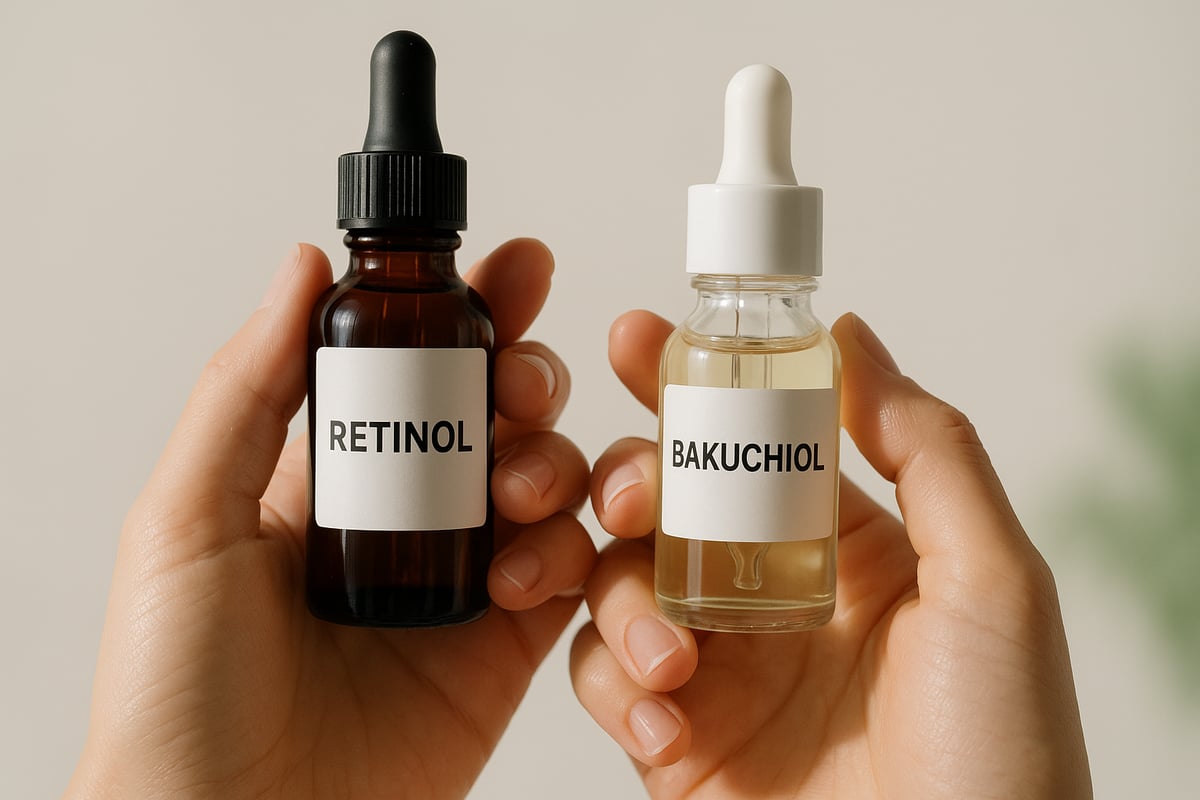
Studies confirm that retinol reduces visible signs of aging such as wrinkles and fine lines. After just a few weeks of regular use, skin can feel smoother and more elastic. Retinol stimulates collagen production, which contributes to firmer skin and improved texture.
In addition to age-related changes, retinol has been shown to be effective against age spots and uneven skin tone. Clinical tests indicate that pigmentation is reduced and skin clarity increases over time. The effect is further enhanced if you combine retinol with sunscreen and moisturizing ingredients.
Retinol for acne, pigmentation and aging
Retinol is well-known for its role in treating acne, especially in adults. By normalizing sebum production and speeding up cell turnover, retinol can reduce the appearance of clogged pores and breakouts. Research also shows that retinol reduces hyperpigmentation and sun damage, making it a versatile ingredient for both younger and mature skin.
In aging skin, retinol strengthens communication between cells, leading to increased production of collagen and elastin. The result is firmer, smoother and more youthful skin. At the same time, it is important to pay attention to the skin's reaction, as retinol can sometimes cause temporary irritation.
Examples and statistics from competitor content
The market for retinol products has exploded in recent years. According to Retinol – Everything You Need to Know and Best in Test 2025, leading serums and creams often receive ratings between 4.5 and 5 out of 5 on consumer platforms. Products are available in all price ranges, from budget to premium, making retinol accessible to most.
Competitors such as Apoteket and Nordicfeel report increasing demand for retinol-based skin care. Consumers are looking for products that combine effectiveness with gentleness, and natural alternatives such as bakuchiol are receiving increasing attention. This reflects a general trend towards more tailored and results-oriented skin care.
Limitations and what retinol can't do
Despite all its benefits, retinol has its limitations. Some skin problems, such as deep scars or severe sagging, require additional treatments. Results also vary depending on skin type and product concentration. Retinol works best with long-term, correct use, but it is not an overnight miracle solution.
Compared to natural alternatives like bakuchiol, studies show that retinol is better documented for deep aging changes. Bakuchiol, on the other hand, is suitable for sensitive skin and provides similar results on fine lines, but with less risk of irritation. Below is a quick comparison:
| Property | Retinol | Bakuchiol |
|---|---|---|
| Effect on wrinkles | Well-documented | Good, but fewer studies |
| Irritation | Common, especially at the beginning | Unusually |
| Naturalness | Synthetic | Plant-based |
| Safety pregnant | Not recommended | Often a safer choice |
In conclusion, retinol is one of the most proven ingredients for skin rejuvenation, but bakuchiol offers a natural and gentle alternative for those who prioritize gentleness.
Risks and side effects: How to avoid common mistakes
Using retinol can yield amazing results, but it's important to know the risks and side effects to avoid common mistakes. By understanding how retinol works in the skin, who should be cautious, and what alternatives are available, you can create a safe and effective skincare routine.
Common side effects and how to manage them
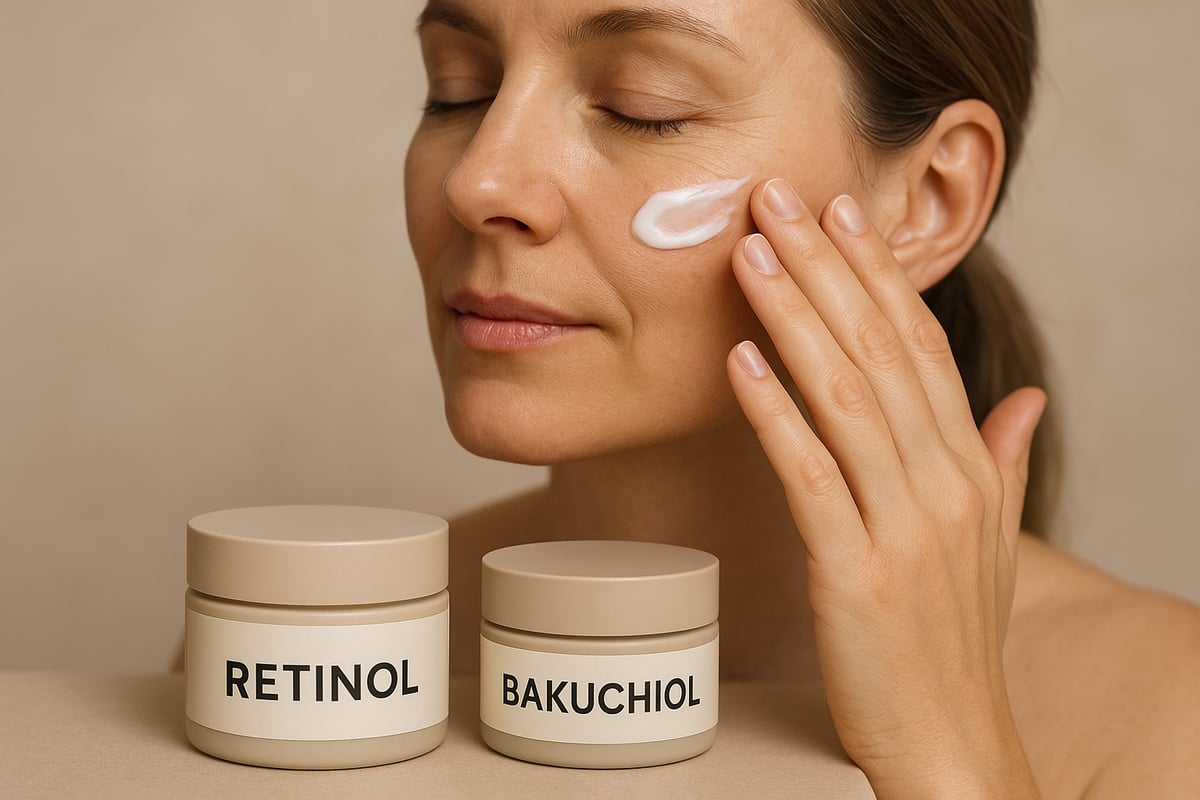
Retinol can cause redness, dryness, peeling, and irritation, especially at the beginning of treatment. These reactions are usually temporary and are due to the skin adjusting to the retinol. Studies show that about 20 to 30 percent of users experience mild side effects in the first few weeks.
To reduce the risk, start with a low concentration and use retinol only a few times a week. If irritation occurs, pause treatment or moisturize extra. Serious reactions such as severe redness or burning are uncommon but require you to stop using the product.
Who should avoid retinol?
Certain groups should be extra careful with retinol. People with sensitive skin, eczema or rosacea are at risk of experiencing more severe side effects. Pregnant and breastfeeding women are advised to avoid retinol entirely according to EU guidelines, as its safety has not been sufficiently studied.
It is also important to be aware of the new EU regulations for retinol in skincare, which limit maximum levels in cosmetic products from November 2025. Always check the concentration on the packaging and consult a dermatologist if in doubt.
Safe Use: Step-by-Step
To use retinol safely, start by applying a small amount in the evening, 1 to 2 times a week. Slowly increase the frequency as your skin adjusts. Always combine retinol with sunscreen during the day, as your skin becomes more sensitive to UV rays.
Avoid using retinol at the same time as strong acids or peeling products. If you experience temporary irritation, mix retinol with a moisturizer. Adjust the strength and frequency according to your skin type for best results.
Tips for sensitive skin and adapting your routine
If you have sensitive skin, retinol can be challenging, but there are ways to reduce the risk of reactions. Apply retinol on top of a nourishing moisturizer, avoid areas with thin skin, and choose products with lower concentrations.
Bakuchiol is a plant-based alternative that provides similar benefits but with less risk of irritation. Many people with sensitive skin choose bakuchiol to get the benefits of retinol without the discomfort. For more advice on gentle use and alternatives, read more at Skincare for Sensitive Skin .
| Property | Retinol | Bakuchiol |
|---|---|---|
| Effect | Well-documented, faster | Milder, comparable in the long term |
| Side effects | Common, especially at the beginning | Rare |
| Suitable for | Normal, resilient skin | Sensitive skin, pregnant women |
Know your options and adapt your routine to achieve the best possible results with as little risk as possible.
How to choose the right retinol product for your skin type
Finding the right retinol product for your skin type can be overwhelming. The market offers everything from serums to creams and natural alternatives like bakuchiol. To make your choice easier, we'll go over what to consider, how to interpret the ingredients, and what sets different products apart.
Different product types: Serum, cream, oil, mask
Retinol comes in several different formats, with serums often recommended for fast absorption and high concentration. Creams are suitable for those with dry or sensitive skin as they tend to be more moisturizing and gentle. Oils with retinol are a good choice for those who want to combine nutrition and anti-aging effects, while masks can provide a more intensive treatment but are used less often.
| Product type | Benefits | Disadvantages |
|---|---|---|
| Serum | High concentration, fast effect | May irritate sensitive skin |
| Cream | Moisturizing, gentler | Slower results |
| Oil | Nourishing, softening | May feel greasy |
| Mask | Deep-acting, intense | Not for daily use |
When choosing a retinol, consider your skin type and lifestyle. For those with sensitive skin, it may be wise to start with a cream. If you're looking for more natural alternatives, consider products with bakuchiol, which are gentler but still effective.
How to interpret concentrations and ingredient lists
Retinol products often come in different strengths, such as 0.2%, 0.5%, and 1%. Lower concentrations are best for beginners or sensitive skin, while higher levels are best for those who are already used to retinol. The ingredient list should list retinol high up to ensure effectiveness, but emollients like niacinamide and hyaluronic acid can also be positive additions.
Also note the difference between retinol and other retinoids like retinal and retinyl palmitate. Retinal is more powerful than retinol but often gentler than prescription versions. Bakuchiol, which is often listed among natural ingredients, has shown similar effects on fine lines but with fewer side effects than retinol.
Reading and understanding the ingredient list makes it easier to choose a product that suits both your skin type and your goals.
Price, quality and labeling
The price of retinol varies greatly, from around $11 for basic serums to over $1500 for high-end brands. Higher prices don’t always mean better results, but the quality of ingredients and formulation can vary. Look for labels that indicate tested safety and preferably EU approval.
Vegan or natural product certifications are becoming increasingly common and can be an indication of higher quality and sustainability focus. Be sure to compare different retinol products and check for unnecessary additives or perfume, especially if you have sensitive skin.
Keep in mind that products with bakuchiol often end up in the same price range as retinol, but may be a better choice if you prioritize gentleness or want to avoid synthetic ingredients.
Examples of popular products and what sets them apart
In the Swedish market, serums from The Ordinary, Apoliva and Medik8 are popular choices, with different strengths and consistencies. Apoteket and Nordicfeel also have a wide range, with retinol products often receiving high ratings. Products with retinol can be particularly effective against signs of aging and pigmentation, while natural alternatives such as bakuchiol are recommended for sensitive skin types.
To find a retinol product that suits your skin type and needs, you can explore facial care for different skin types , where both classic and natural options are available.
Feel free to compare reviews and remember that the most important thing is that the product feels right for your skin. Whether you choose retinol or bakuchiol, there are many effective and safe options on the market.
Step-by-step: How to introduce retinol into your skincare routine
Starting out with retinol can feel overwhelming, but the right introduction makes all the difference in both results and comfort. A clear step-by-step plan will help you avoid common pitfalls and maximize the benefits, whether you choose traditional retinol or natural alternatives like bakuchiol.
Preparation: What you need to know before you start
Before introducing retinol into your routine, analyze your skin type and any skin conditions you may have. If you have sensitive skin, eczema, or rosacea, a gentler option like bakuchiol may be appropriate. Make sure your skin is well moisturized and cleansed before you begin.
Always choose products with clear information about concentration and ingredients. It is wise to start in the fall or winter when the sun is weaker, as retinol can make the skin more sensitive to the sun. For inspiration and product selection, please see Best in Test Retinol Serum 2025 – the skin therapist tests! for current recommendations and tests.
Introduction: The first few weeks
Start with retinol by applying the product 1–2 times per week in the evening. This gives your skin time to adjust and minimizes the risk of irritation. In the first few weeks, you may notice some redness or peeling, which is normal and will usually subside over time.
Feel free to add an extra layer of moisturizer on top of retinol to mitigate any side effects. Avoid combining with strong acids or other active ingredients initially. Listen to your skin and gradually increase usage if everything feels good.
Adaptation and optimization of the routine
Once your skin gets used to retinol, you can gradually increase the frequency, for example to every other night. If you want to maximize the effect, combine retinol with antioxidants and SPF during the day for complete protection.
For sensitive skin, it may be wise to mix retinol with a gentle moisturizer or choose products with lower concentrations. If you experience temporary setbacks, cut back on use and focus on moisturizing until your skin recovers.
Long-term use and maintenance
Most people see visible results from retinol after 8-12 weeks, but maximum effects are often achieved after 3-6 months. To maintain results, continue with a maintenance dose a few times a week.
For those with very sensitive skin or during pregnancy, bakuchiol can be an effective and gentle alternative. Below you will find a quick comparison between retinol and bakuchiol:
| Property | Retinol | Bakuchiol |
|---|---|---|
| Effect | Clinically documented | Equally effective against fine lines |
| Side effects | May cause irritation | Rarely irritation |
| Suitable for | Normal-tolerant skin | Sensitive/pregnant |
Choosing the right strategy for long-term use is best tailored to your skin's needs and tolerance.
Retinol vs. Bakuchiol: Natural Alternatives and Future Trends
Understanding the difference between retinol and bakuchiol is crucial for finding the right skincare product. Retinol has long been the gold standard in anti-aging, but bakuchiol has quickly become a popular natural alternative. Each ingredient has unique properties, uses, and benefits.
What is bakuchiol and how does it work?
Bakuchiol is a plant-based ingredient extracted from the babchi plant. It has become known as a natural alternative to retinol. Molecularly, bakuchiol is different from retinol, but they both affect the skin in similar ways. Studies show that bakuchiol can stimulate collagen production, improve skin texture, and reduce visible signs of aging. Unlike retinol, bakuchiol is often gentler and less irritating, making it attractive to sensitive skin.
Comparison: Efficacy, safety and side effects
The effects of retinol and bakuchiol have been compared in several studies. Retinol is well documented to reduce wrinkles, improve skin tone and stimulate cell renewal. Bakuchiol has shown similar results on fine lines and elasticity, but with fewer side effects such as redness and peeling. One advantage of bakuchiol is that it does not make the skin as sensitive to the sun as retinol can. However, retinol still has the strongest scientific support for treating more severe skin problems such as acne and deep pigment spots.
| Property | Retinol | Bakuchiol |
|---|---|---|
| Origin | Synthetic/vitamin A | Plant-based |
| Effect | Highly documented | Equal on fine lines |
| Side effects | Usual | Unusual |
| Sun sensitivity | High | Low |
Who is bakuchiol better suited for?
Bakuchiol is especially recommended for people with sensitive skin, pregnant women or those with eczema and rosacea. Since retinol can cause irritation and is unsuitable during pregnancy, bakuchiol is a safer choice. Many users report that they can use bakuchiol daily without problems, while retinol requires slow getting used to. Products with bakuchiol have become more available on the Swedish market and are suitable for those looking for a gentler but effective alternative. If you are unsure which suits you best, please try both with caution.
Future Trends: Natural Retinol Alternatives
The interest in natural and sustainable skincare ingredients is growing rapidly. More brands are launching products with bakuchiol and other plant-based retinol alternatives. Combination products containing both bakuchiol and other antioxidants are becoming increasingly common. The forecast for 2025 is that natural retinol alternatives will dominate trends in anti-aging and sensitive skin. Consumers demand results, but at the same time want to avoid unnecessary additives and irritation.
Natural Retinol Alternatives with Éclore
At éclore you will find facial care with natural retinol alternatives, perfect for those who want plant-based solutions without compromising on effect. The range includes day creams, serums and oils, all designed to be gentle but still provide visible results. The products are made in Europe with a focus on quality and sustainability. Free shipping is offered over 599 SEK and you can try it risk-free with free returns within Sweden. For more tips and a wide selection, please visit Natural retinol alternatives with bakuchiol to find the right product for your skin.

Expert Tips & FAQs About Retinol 2025
Using retinol the right way can transform your skincare routine and deliver visible results. Many people wonder how to combine retinol with other ingredients and whether natural alternatives like bakuchiol really work as well. Here you will find answers to the most frequently asked questions, expert tips and an up-to-date comparison between retinol and bakuchiol for 2025.
Best advice from dermatologists and skin therapists
To get the most out of retinol, start slowly and choose a concentration that suits your skin type. Many experts recommend introducing retinol gradually, preferably with a moisturizer to reduce the risk of irritation. At the slightest sign of severe redness or burning, it's wise to take a break and consult a dermatologist.
Never combine retinol directly with strong acids or peels, as this can worsen sensitivity. For best results, use retinol at night and always apply sunscreen during the day.
Frequently asked questions and answers from consumers
How quickly does retinol work? It usually takes 4-12 weeks before you notice a visible difference in your skin's texture and radiance. Many people also wonder if retinol can be used year-round, and the answer is yes, as long as you are careful with sun protection.
Another common question is about combining it with other ingredients. Retinol works great with niacinamide and peptides but should be avoided with strong AHA/BHA acids. If you are unsure, always consult an expert.
Comparison: retinol vs. bakuchiol
| Property | Retinol | Bakuchiol |
|---|---|---|
| Origin | Synthetic/vitamin A | Plant-based (babchi) |
| Effect on wrinkles | Very well documented | Equivalent according to studies |
| Irritation | Common, especially at the beginning | Rare |
| Safety during pregnancy | Not recommended | Approved for pregnant women |
| Availability | Wide range, different strengths | Fewer products, increasing |
Bakuchiol has become popular due to its gentleness and is a strong alternative for sensitive skin. Although retinol is better documented, new studies show that bakuchiol can provide equivalent effects on fine lines and skin elasticity.
Retinol in combination with other ingredients
When building your skincare routine, focus on combining retinol with ingredients that support the skin barrier, such as hyaluronic acid or ceramides. At the same time, avoid products with harsh acids or retinol in too high concentrations.
For those who want anti-aging benefits but are sensitive to retinol, there are natural alternatives like bakuchiol and other plant-based ingredients. You will find more tips and products in anti-aging skin care and retinol that are adapted to different skin types and needs.
Statistics and insights for 2025
In 2025, we see a clear trend towards increased demand for both retinol and natural retinol alternatives. Consumers are looking for vegan, sustainable products and transparency around ingredients. At the same time, new regulatory requirements are affecting the market, with new EU regulations for retinol in skincare governing concentrations and labeling from November 2025.
Innovations in retinol products continue, and combination products with milder retinoids or bakuchiol are becoming more common. The future of retinol is both exciting and more regulated than ever.
Now that you’ve taken a deep dive into everything you need to know about retinol and how to best take care of your skin in 2025, you may be feeling inspired to find the right products for your needs. At éclore, you’ll find carefully selected skincare products with natural ingredients, tailored for both beginners and those looking for advanced options like bakuchiol or retinol. We focus on quality, sustainability and that sense of everyday luxury that makes a difference to your skin every day.
See our range