Discover how you can achieve radiant skin through natural skincare, where science and sustainability meet. More and more people are looking for effective, gentle and environmentally friendly alternatives to strengthen their skin and well-being.
This guide gives you concrete, proven methods for natural skin care that really work in 2025. Here you will learn how to understand, choose and implement the best routines for long-lasting results.
We'll go over what natural skincare means, the scientific basis, step-by-step routines, top ingredients for 2025, sustainability aspects, and common myths and facts. Together, let's take the next step towards healthier skin and a more conscious lifestyle.
What is Natural Skincare? Definition and Trends 2025
Interest in natural skincare has increased significantly in recent years, and the trend looks set to continue growing in 2025. But what does natural skincare actually mean, and why are more and more Swedes choosing to invest in it? To understand the development, we need to take a closer look at the definition, current trends and the most common misconceptions.
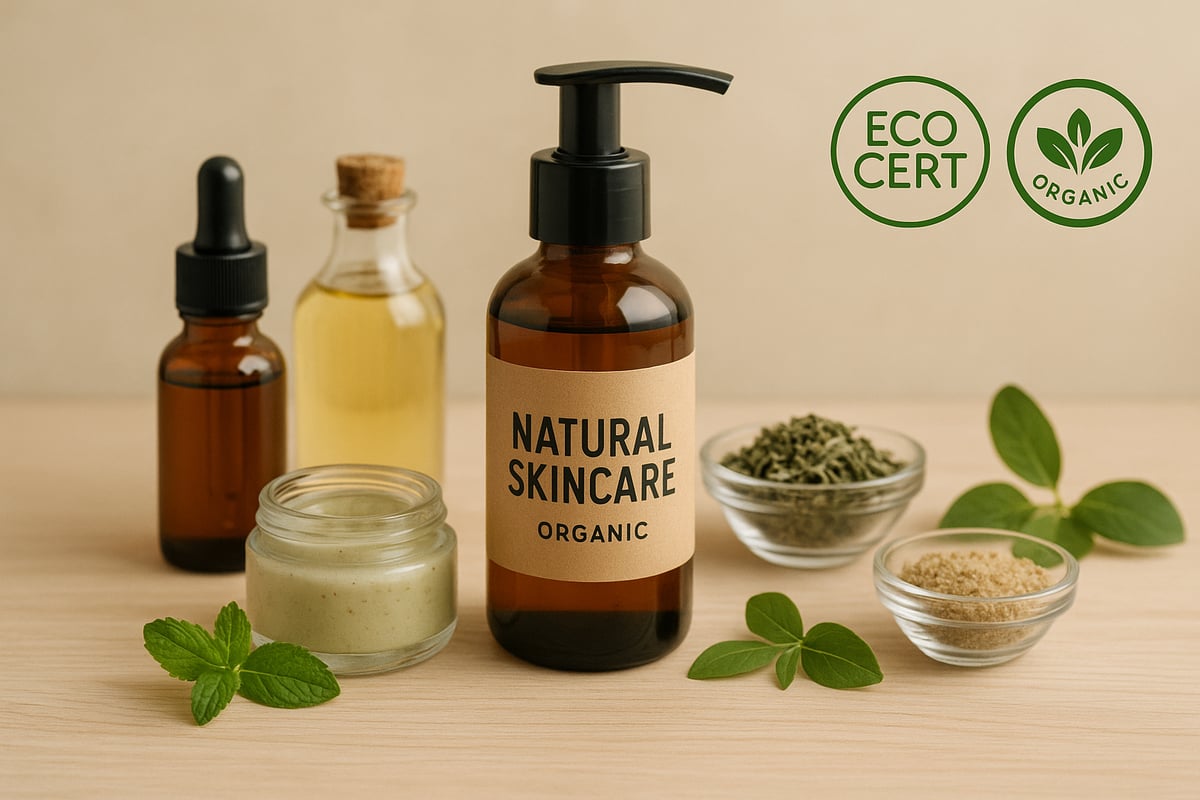
What does natural skin care mean?
Natural skincare is based on ingredients that are organic, minimally processed, and free of synthetic additives. Unlike conventional skincare, which often focuses on chemically produced substances, natural skincare focuses on plant oils, extracts, and raw materials from nature.
Certifications such as Ecocert and Cosmos Organic guarantee that the products meet high standards for both the environment and content. According to the Swedish Consumer Agency in 2023, a full 68% of Swedes prefer natural products, which shows a clear shift towards more conscious choices.
| Natural skin care | Conventional skin care |
|---|---|
| Organic raw materials | Synthetic ingredients |
| Environmentally friendly processes | Chemical processing |
| Certified labels | Fewer environmental requirements |
This development makes natural skin care an increasingly obvious choice for many consumers.
Current trends in natural skin care 2025
In 2025, transparency and traceability of ingredients will become central. Consumers want to know exactly where their ingredients come from and how they are produced. At the same time, demand for vegan and cruelty-free alternatives, where no animal testing or animal ingredients are used, is increasing.
Locally produced products are gaining ground, as they often have a lower carbon footprint and support Swedish small businesses. The market for natural skin care is estimated to grow by 9% annually according to the Market Report on Organic Skin Care in Sweden , which underlines the interest in sustainable and clean alternatives.
These trends clearly show that natural skincare is not just a temporary fad but a long-term change in consumer behavior.
Common misconceptions and facts
A common myth is that natural skincare is always safe for everyone. In reality, even natural substances, such as essential oils or plant extracts, can cause allergic reactions in some people.
It's also easy to think that natural skincare is automatically better than conventional alternatives, but the effectiveness varies depending on skin type and the product's ingredients. Reading the ingredient list and doing patch tests is always important.
Some common misconceptions:
- "Natural means no risk of allergy"
- "Organic is always more efficient"
- "All natural products are environmentally friendly"
Knowledge and critical thinking are needed to make the right choice in natural skin care.
Benefits and challenges of natural skin care
The biggest advantage of natural skincare is reduced exposure to harmful chemicals and a generally gentler impact on the skin. The products are often more environmentally friendly thanks to organic ingredients and sustainable packaging.
The challenges lie primarily in the fact that natural skin care often has a shorter shelf life, can have variable effects, and sometimes costs more than conventional alternatives. Dermatologists emphasize the importance of tailoring choices to individual skin type and having realistic expectations.
In conclusion, natural skin care offers many benefits, but also requires knowledge and commitment to produce the best results.
The Science Behind Natural Ingredients
Natural skin care is based on understanding how natural substances interact with the skin. By choosing the right ingredients, we can support the skin's own functions and create long-lasting balance. In this section, we will review how natural substances work, what the research says, the most effective ingredients, risks, and how to interpret ingredient lists.
How do natural ingredients work on the skin?
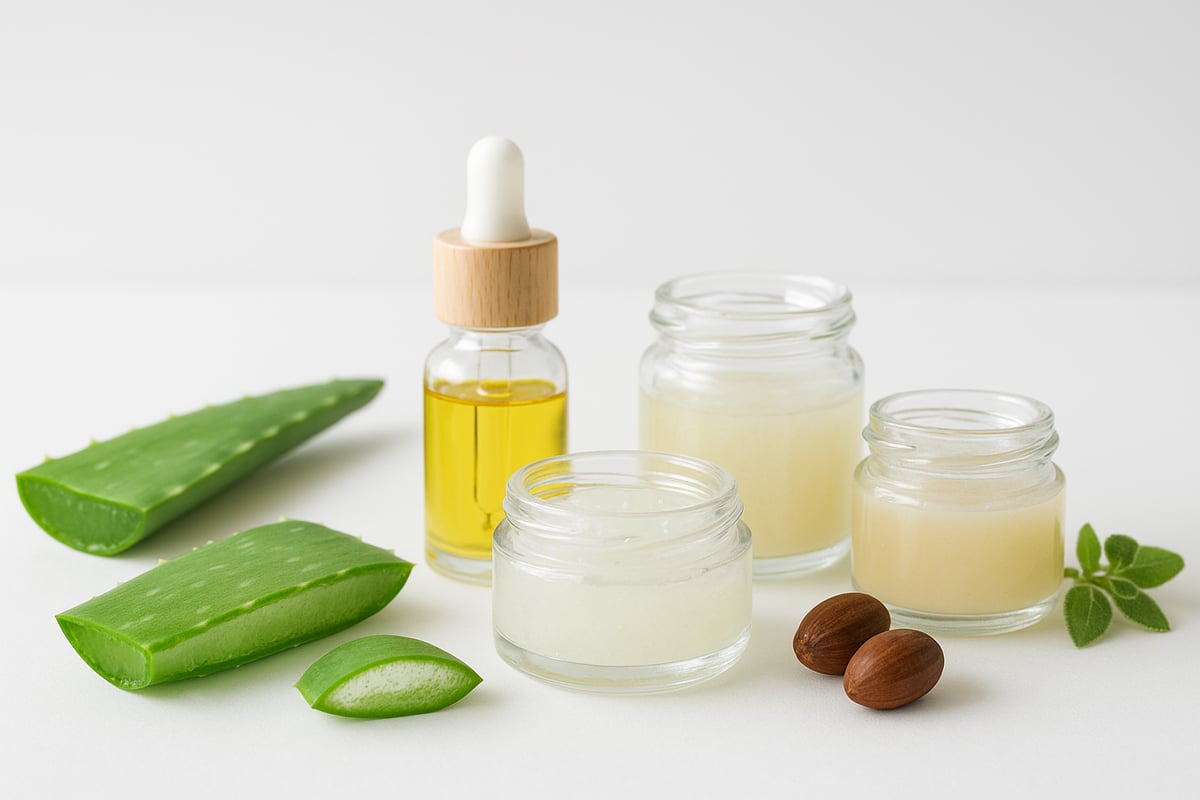
Natural skin care is based on the skin's biology and ability to absorb substances. The skin is the body's largest organ and has a protective barrier that allows small molecules to pass through. Ingredients such as antioxidants, essential fatty acids and vitamins from plants can help strengthen the skin's natural defenses and provide nourishment.
Antioxidants protect against free radicals, while fatty acids moisturize and support the skin barrier. Vitamins such as E and C contribute to the skin's elasticity and radiance. With natural skin care, you work with the skin's own rhythm and avoid overloading it with synthetic substances.
Proven effects: What does the research say?
Research shows that several natural ingredients have a clear effect on skin health. Aloe vera reduces irritation and redness, jojoba oil resembles the skin's own sebum and balances oily skin, while hyaluronic acid from natural sources deeply moisturizes. Studies point to improved moisture balance, increased elasticity and reduced inflammation.
If you want to delve deeper into the science behind these effects, you can read more in the article The Science Behind the Effectiveness of Plant-Based Skin Care . By choosing natural skin care, you can benefit from these documented results for healthy skin.
The most effective natural ingredients in 2025
Natural skin care trends for 2025 include fermented extracts, adaptogens, and CBD from the hemp plant. Fermented ingredients like rice and soybeans strengthen the skin’s microbiome and improve nutrient absorption. Adaptogens like ashwagandha and reishi mushrooms protect the skin from stress and external aggressors.
CBD is known for its calming and anti-inflammatory properties, making it popular for sensitive and stressed skin. By incorporating these substances into your natural skincare routine, you can address your skin's needs in an innovative way.
Risks and side effects to be aware of
Although natural skin care is often considered gentle, there are risks to consider. Essential oils can cause allergic reactions, especially in sensitive individuals. Citrus oils can cause phototoxicity, which means the skin becomes sensitive to the sun and can react with rashes.
To minimize risks, it is always recommended to do a patch test before applying a new product to the entire face. Pay attention to your body's signals and choose natural skincare tailored to your skin type to avoid unwanted reactions.
How to interpret ingredient lists correctly
Understanding ingredient lists is crucial to choosing the right natural skincare. INCI names (International Nomenclature of Cosmetic Ingredients) are used to list ingredients in a standardized way. For example, shea butter is called Butyrospermum Parkii Butter.
Be wary of greenwashing, where products are marketed as natural despite containing synthetic additives. Compare ingredient lists and prioritize short, clear lists of well-known natural substances. Below is a simple table:
| Natural ingredient | Synthetic equivalent |
|---|---|
| Jojoba oil | Mineral oil |
| Aloe vera | Propylene glycol |
| Shea butter | Silicones |
By interpreting lists correctly, you make conscious choices for your natural skin care.
Step-by-Step: Your Natural Skincare Routine 2025
Creating an effective natural skincare routine is all about understanding each step and choosing the right products for your skin type and lifestyle. Below is a detailed guide to help you build a sustainable and results-oriented skincare routine for 2025.
Step 1: Cleaning with natural products
Cleansing is the foundation of all natural skincare. Removing dirt, makeup, and excess oil with gentle, natural products reduces the risk of irritation and maintains skin balance. Choose cleansing oils like almond oil or squalane, or a gentle micellar water based on plant extracts.
For dry or sensitive skin, oat extract is an excellent choice as it soothes and moisturizes. People with oily skin may benefit from cleansing with green tea or mild soaps without synthetic surfactants. Massage the product in with light circular movements and rinse with lukewarm water.
Proper cleansing in natural skin care makes the skin receptive to subsequent steps and minimizes the risk of imbalances.
Step 2: Exfoliation without synthetic substances
Exfoliation removes dead skin cells and gives the skin a healthy glow. Natural skin care often uses sugar, kaolin clay or fruit acids from apples or lemons, for example. These ingredients are effective but gentle, which reduces the risk of over-exfoliation.
How often you should exfoliate depends on your skin type and sensitivity. Dry or sensitive skin can do well with once a week, while oily skin can exfoliate twice a week. Always use products without microplastics and synthetic abrasives.
A consistent exfoliation helps natural skincare reach deeper and provides a more even result over time.
Step 3: Hydration and nutrition
After cleansing and exfoliating, your skin needs to be moisturized. Plant oils like jojoba oil, avocado oil, and shea butter are central to natural skin care. These ingredients are rich in essential fatty acids and vitamins that strengthen the skin barrier.
Aloe vera gel is a popular choice for moisturizing and soothing irritated skin. Tailor your moisturizer to your skin type: lighter oils for oily skin and richer creams for dry or mature skin. Avoid synthetic fragrances, as they can irritate the skin.
Regular hydration is the key to balanced and resilient skin in natural skin care.
Step 4: Protection and barrier strengthening
Protecting your skin from external influences is crucial for long-term skin health. Natural UV filters such as zinc oxide and raspberry seed oil provide some sun protection and are common in natural skin care. Feel free to supplement with products rich in antioxidants, such as vitamin E and green tea extract.
Antioxidants protect against free radicals caused by pollution and UV radiation. Strong barrier protection reduces the risk of premature aging and keeps the skin elastic.
Including protective steps in your routine ensures that natural skincare delivers optimal results over time.
Step 5: Special care and treatments
Sometimes your skin needs extra care. Serums with active, natural ingredients like vitamin C, niacinamide from natural sources, or fermented extracts can target specific needs. Spot treatments for acne, pigmentation, or redness are important complements.
Always choose products that are free from unnecessary additives and adapt the treatment to your skin's current condition. Special care in natural skin care is about listening to the skin and providing the right nutrition to support its natural functions.
A customized treatment will help you get the most out of your natural skincare.
Adapt your routine to your skin type and season
All skin types have unique needs. Dry skin requires more nourishment and oily skin needs light, balancing ingredients. Sensitive skin does best with allergy-tested, fragrance-free natural skin care products. Mature skin benefits from oils and antioxidants that strengthen and rebuild.
Seasons also play a role: in winter, thicker creams are needed, while summer requires lighter moisture and effective sun protection. Listen to your skin and adjust your natural skincare based on climate and lifestyle.
By adapting your routine, you will get long-term, sustainable and visible results.
Natural Skincare with Éclore: Examples of Products and Philosophy
Éclore is a Swedish brand that combines science and sustainability in natural skincare. The range includes facial cleansers, serums, oils and body care – all with a focus on organic and minimally processed ingredients.

The philosophy is based on quality, transparency and respect for both skin and the environment. The products are free from synthetic additives and are never tested on animals. For those who want to know more about Éclore's work with sustainability and holistic skincare, please read more at About Éclore and our philosophy .
Choosing Éclore is a step towards a conscious and effective natural skincare routine.
The Most Important Natural Ingredients to Invest in in 2025
Choosing the right ingredients is crucial to achieving effective results with natural skin care. In 2025, we see a continued development where quality, functionality and sustainability are in focus. Below are the five most important groups of natural substances to prioritize for healthy and radiant skin.
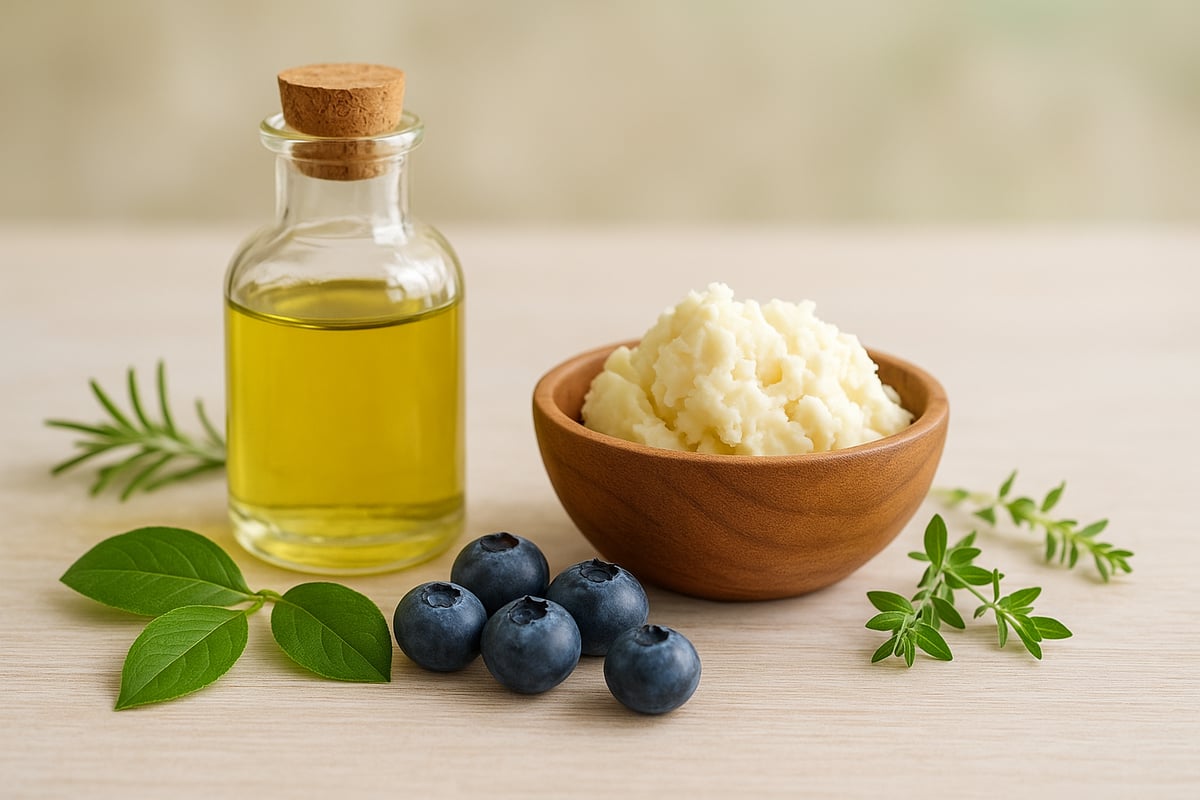
Vegetable oils and butters: The basis of natural skin care
Plant oils and butters form the basis of natural skin care thanks to their nourishing properties. Argan oil is rich in vitamin E and essential fatty acids that protect and moisturize the skin. Jojoba oil has a composition similar to the skin's own sebum, making it ideal even for sensitive skin. Shea butter is known for its softening and soothing effects, especially on dry or irritated skin. These ingredients provide long-lasting nourishment, help maintain the skin's moisture balance and build a strong barrier against external stressors. Including plant oils and butters in your natural skin care is an easy way to create a healthy base for your daily skin care routine.
Extracts and active plant substances
Extracts and active plant substances play a crucial role in natural skin care. Green tea extract is rich in antioxidants that protect against free radicals and contribute to a more even skin tone. Licorice root extract has a documented effect against hyperpigmentation and redness. Niacinamide from natural sources strengthens the skin barrier and gives radiance. Many of these substances are found in Facial care with natural ingredients that offer a wide selection for different skin types. By choosing products with a high content of plant-based extracts, you get the maximum effect of your natural skin care and can tailor the result to your needs.
Probiotics and fermented ingredients
Probiotics and fermented ingredients have become central to natural skincare thanks to their positive impact on the skin’s microbiome. Fermented rice and kombucha extracts provide nourishment, strengthen the skin’s barrier, and contribute to a balanced bacterial flora. These substances help the skin resist external stress and can reduce the risk of irritation. Research shows that probiotic extracts can improve both moisture balance and skin radiance. For those who want to take their natural skincare to the next level, fermented ingredients are a future-proof choice that suits most skin types and needs.
Adaptogens and superfoods
Adaptogens and superfoods offer an extra layer of defense against environmental aggressors and oxidative stress in natural skincare. Ingredients like ashwagandha and reishi strengthen the skin’s resistance to stress and help regulate inflammation. Blueberry extract is rich in antioxidants and contributes to increased radiance and protection against free radicals. Regular use of adaptogens in natural skincare can provide more balanced skin and improve its ability to handle external stressors. These substances are especially valuable for those who want to prevent signs of aging and preserve the youthfulness of the skin.
Natural preservatives and stabilizers
Safety and sustainability are crucial in natural skincare, making natural preservatives and stabilizers essential. Rosemary extract and vitamin E are often used to extend product shelf life and protect against oxidation. Fermented radicals help stabilize formulations without burdening the skin with synthetic additives. These ingredients make it possible to enjoy effective and safe natural skincare even over time. Choosing products with natural preservatives ensures both product quality and skin health.
Sustainability and Responsible Consumption in Natural Skincare
Choosing natural skin care means taking greater responsibility for the environment and society. Many consumers today are looking for products that are not only kind to their skin but also to the planet. Sustainability in natural skin care encompasses everything from the origin of the raw materials to how the product is packaged and transported.
Environmental impact of natural skin care products
Natural skin care is based on raw materials that are often grown organically, which reduces the use of pesticides and artificial fertilizers. This type of cultivation contributes to healthier soil and water, as well as increased biodiversity. Packaging has also received increased attention. Many brands are investing in recyclable packaging, refill systems and minimizing plastic. This reduces the environmental impact and makes natural skin care a more sustainable choice compared to conventional alternatives. At the same time, transportation and energy consumption are important factors to consider for the overall environmental impact.
Ethical and social aspects
In addition to environmental impact, natural skin care also focuses on ethical issues. Fair Trade certification guarantees that raw material producers receive fair conditions and wages. Many companies cooperate with small-scale producers, especially when purchasing exclusive oils and butters. Certifications such as Ecocert and Cosmos Organic ensure both environmental and social requirements. By choosing products with clear certifications, you as a consumer can contribute to better working conditions and sustainable development in natural skin care.
The role of the consumer: Conscious choices
As a consumer, you have great power to influence the industry through your natural skin care choices. It is important to learn to interpret labels and certificates, as some companies may use greenwashing. One tip is to review the ingredient list carefully and look for credible certifications. To avoid harmful substances, you can read more about endocrine disruptors in cosmetics . By asking questions and choosing consciously, you can contribute to a more sustainable and transparent skin care industry.
The future of sustainable skincare 2025 and beyond
Natural skincare is evolving rapidly. Innovative solutions such as water-free formulas and solid cosmetics are reducing both water and plastic use. Reusable and biodegradable packaging is becoming increasingly common. Statistics show that 74 percent of consumers want to reduce their plastic use, which is driving the industry towards more sustainable products. Natural skincare will continue to evolve, with an even greater focus on the environment, ethics and transparency to meet the needs and demands of the future.
Myths, Facts and FAQs about Natural Skin Care
Common myths about natural skin care
Many people believe that natural skincare is always better for the skin, but the reality is more complex. A common myth is that natural ingredients cannot cause irritation, which is unfortunately not true. Even natural substances such as essential oils and plant extracts can provoke allergic reactions.
Another myth is that organic products are always hypoallergenic. In fact, it is important to pay attention to the ingredients, regardless of the origin of the product. Natural skin care can be gentle, but safety depends on both the formulation and skin type.
Evidence shows that labels like Ecocert and Cosmos Organic help consumers make informed choices, so be sure to read the ingredient list, even when the product is marketed as natural skin care.
Answers to the most frequently asked questions
How quickly do you notice results from natural skin care? It usually takes 4-8 weeks before you see clear changes, as the skin needs time to adapt to new ingredients. Many people also wonder if natural skin care can be combined with medical treatments. It is usually possible, but always consult a dermatologist to avoid unexpected reactions.
Storage is another important issue. Natural products often have a shorter shelf life and should be stored in a cool, dark place. If you want to know more about how to get a natural glow without makeup, please read more on the Natural glow without makeup page.
Expert tips for success with natural skincare
To maximize the effects of natural skincare, experts recommend starting with a simple routine and gradually introducing new products. Always patch test before applying new ingredients to your face. Avoid using too many active ingredients at once, as this can stress the skin.
Build your routine based on your skin type and seasonal needs. A common mistake is to over-exfoliate or use products that are too strong. For those of you with sensitive skin, there is specially tailored advice at Natural Skin Care for Sensitive Skin , where you will find tips and guidance for a balanced and sustainable skin care routine.
After exploring the benefits of natural skincare, looking at ingredients to invest in in 2025 and getting some concrete tips on sustainability, you might be curious about how you can start your own journey towards healthier skin. We’ve talked about the importance of quality, traceability and the feeling of everyday luxury – and that’s exactly what Éclore stands for. If you want to take the next step and explore products that both care for your skin and are kind to the environment, you can check out our range for inspiration and carefully selected favourites.