Finding the right facial moisturizer has become crucial in today's skincare routine, especially as new demands and innovations await in 2025. Many are now looking for a facial moisturizer that truly matches their skin type, needs, and the latest trends.
This step-by-step guide will teach you how to identify your skin type, understand key ingredients, and avoid common mistakes. It also includes expert tips and future innovations, so you can confidently choose the best product for you.
Ready to take your skincare to the next level? Read on to find your perfect facial moisturizer.
Why is moisturizer important for the face?
Understanding why a facial moisturizer is essential in your daily skincare routine is the first step towards healthier skin. Regardless of age, lifestyle or skin type, hydration affects the appearance and resilience of your skin on multiple levels.
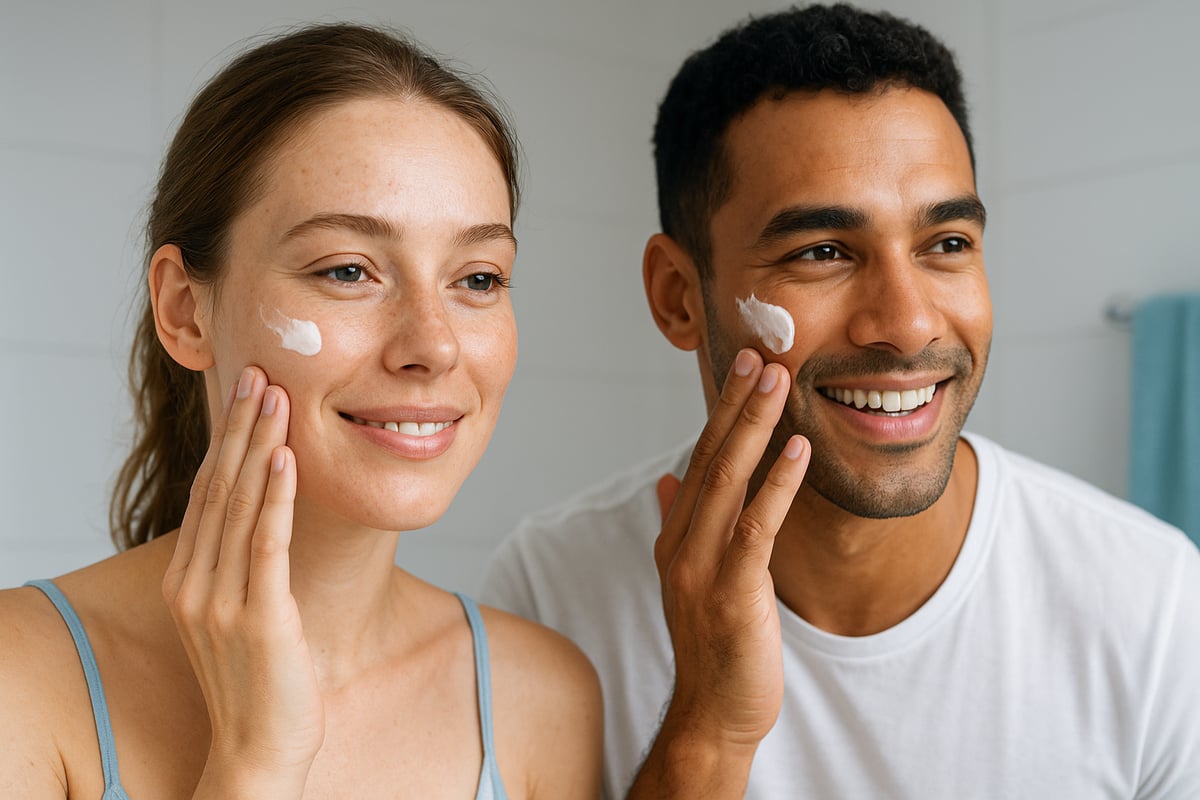
The skin's natural moisture balance and barrier function
The skin has a natural ability to retain moisture and protect against external stress. With age, as well as under the influence of climate, air conditioning and UV radiation, this ability decreases. According to Statistics on Skin Problems in Sweden, over 60 percent of Swedes experience dry skin at some point during the year.
Facial moisturizer helps restore the skin's barrier and reduces the risk of moisture loss. Factors that affect the skin's moisture balance:
- Dry winter air
- Strong cleaning products
- Sun and wind
- Stress and lack of sleep
Regular use of facial moisturizer protects against these factors and strengthens the skin's resistance.
Prevention of skin problems
A well-chosen facial moisturizer can reduce the risk of irritation, redness, acne, and premature aging. When the skin's barrier is intact, it is more effectively protected against bacteria and pollutants, preventing many common skin problems.
Studies show that a strong skin barrier reduces the risk of inflammation and sensitivity. Scientifically, facial moisturizer is an important part of preserving the skin's own protective layer.
Investing in a customized facial moisturizer is an easy way to prevent problems before they occur.
Improved skin health and appearance
A good moisture balance produces visible results: the skin becomes radiant, feels softer and looks smoother. Many skin therapists emphasize that daily use of facial moisturizer is crucial for reducing fine lines and giving the skin a healthy appearance.
Results of regular hydration:
- Even skin tone
- Reduced tightness and dryness
- Increased elasticity and resilience
Facial moisturizer helps keep your skin looking vibrant and healthy every day.
Difference between facial moisturizer and body cream
The skin on your face is thinner and more sensitive than the rest of your body. Facial moisturizers often contain milder, more concentrated ingredients than body moisturizers.
| Property | Facial moisturizer | Body cream |
|---|---|---|
| Texture | Lightweight, fast-absorbing | Richer, fatter |
| Ingredients | Suitable for sensitive skin | Fewer special ingredients |
| Risks | Less risk of clogged pores | Can clog pores on the face |
Using body cream on your face can lead to discomfort, irritation, or clogged pores, so it's important to choose a facial moisturizer that's right for your skin type.
Step 1: Identify your skin type and its needs
Choosing the right facial moisturizer always starts with understanding your skin type. Each skin type has unique characteristics and challenges. By identifying these, you can avoid common pitfalls and find a facial moisturizer that really delivers results.
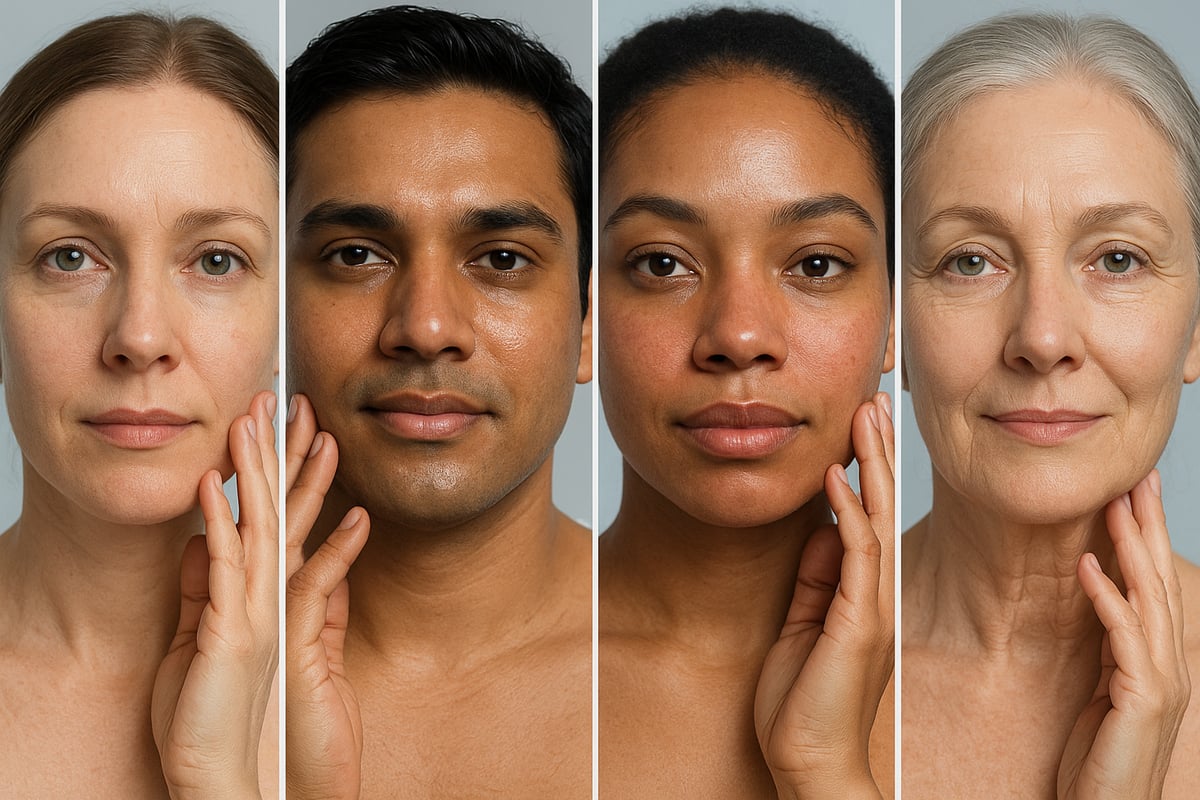
The most common skin types
The first step towards an optimal skincare routine is to know the most common skin types. Below you will find an overview to help you distinguish them:
| Skin type | Characteristics | Typical needs |
|---|---|---|
| Dry | Tight, flaky, dull | Deep hydration, nourishment |
| Fat | Shiny, breakouts, large pores | Light facial moisturizer, sebum control |
| Combined | Mixed parts, T-zone | Balanced moisture, spot application |
| Sensitive | Redness, irritation | Mild ingredients, soothing |
| Mature | Wrinkles, lost elasticity | Anti-aging, intensive hydration |
Dry skin often feels tight and can easily become irritated, especially in the winter. Oily skin is characterized by shine and a tendency to acne. Combination skin means that some areas are dry while others are oilier, which can make choosing a moisturizer for your face extra challenging.
Sensitive skin reacts easily to new products and therefore requires special care. Mature skin loses elasticity and often develops fine lines. By identifying your skin type, you increase the chance of finding a facial moisturizer that really works.
How to determine your skin type
Analyzing your own skin can feel daunting, but there are simple tests you can do at home. A common way is to cleanse your face, wait 30 minutes, and then observe how your skin feels and looks. Does it feel tight or does it look shiny?
Tips for identifying skin type:
- Use absorbent paper on different parts of your face to see where your skin is the oiliest.
- Feel if your skin itches or stings after cleansing.
- Note if you often get redness or breakouts.
Common misconceptions are that oily skin doesn't need moisturizing, or that mature skin is always dry. In fact, all skin types need a customized facial moisturizer to feel good.
By paying attention to these signals, you can avoid buying the wrong product. Remember that your skin can change over time, which makes it important to evaluate your skin type regularly.
Specific needs and lifestyle factors
Your skin type is not only influenced by genetics, but also by factors such as age, gender, climate, stress and diet. Younger people often have a different balance of moisture and sebum than older people, while men and women may experience different needs for facial moisturizer.
The climate in Sweden, with cold winters and dry indoor environments, means that many people experience drier skin during certain periods. Statistics show that the demand for specially adapted facial moisturizers has increased among both men and younger adults in recent years.
If you have sensitive skin, it may be wise to read more about skin care for sensitive skin and choose products with extra care. Your lifestyle, such as whether you exercise frequently or spend a lot of time outdoors, also affects what properties you should prioritize in your facial moisturizer.
Common mistakes when determining skin type
Many people who choose facial moisturizer do so based on recommendations from friends or popular brands, rather than their own skin type. This can lead to ineffective skincare and even worsen skin problems.
Typical mistakes:
- Using the same product all year round, despite climate change.
- Believing that oily skin doesn't need moisture.
- Not adjusting for age or lifestyle.
To avoid these pitfalls, do a thorough analysis of your skin and evaluate your needs regularly. Then you can choose a facial moisturizer that truly supports your skin's health and appearance.
Step 2: Understand the ingredients in moisturizers
Understanding what's actually in your facial moisturizer is crucial to making a smart choice. The quality and function of the ingredients determine how well your skin will do, both in the short and long term. Let's take a closer look at the most important ingredients, what to avoid, and how to interpret the ingredient list when choosing a facial moisturizer.
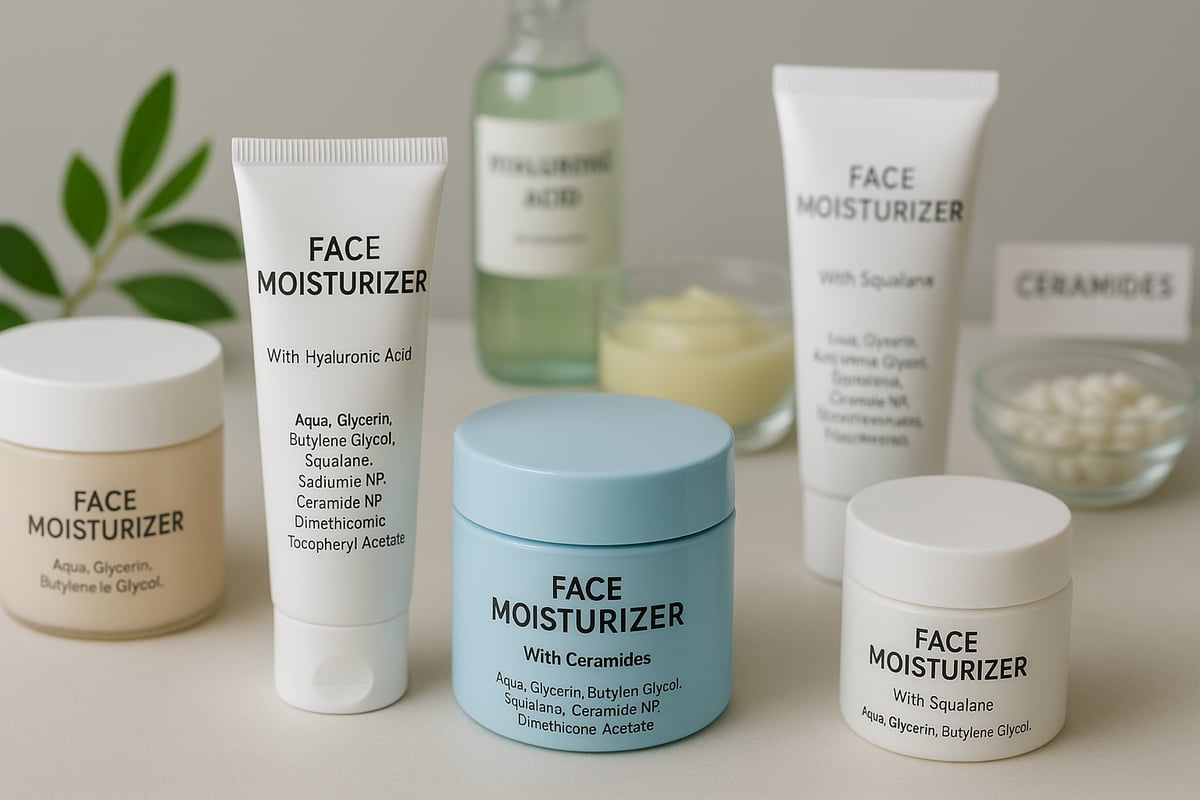
Active ingredients and their effects
When choosing a facial moisturizer, it's important to understand what the most sought-after ingredients actually do for the skin.
- Hyaluronic acid is known for its ability to bind moisture and give the skin an immediate, plump feeling.
- Glycerin and ceramides help strengthen the skin barrier and protect against dehydration.
- Squalane is an emollient that mimics the skin's natural fats and contributes to suppleness.
- Niacinamide (vitamin B3) can even out skin tone, reduce redness, and improve elasticity.
- Vitamin E and panthenol have a soothing and protective effect, especially for sensitive skin.
Many modern facial moisturizers also contain natural extracts such as aloe vera, green tea or oats, which can provide additional nourishment and soothing effects. By choosing a facial moisturizer with these active ingredients, you can prevent dryness, strengthen the skin's barrier and achieve visible results.
Ingredients to avoid
Not all ingredients are suitable for facial moisturizers, especially if you have sensitive or reactive skin. Common ingredients to be wary of include:
- Perfume can cause irritation and allergies, especially in sensitive skin types.
- Alcohol (especially denatured alcohol) can dry out the skin and weaken the barrier.
- Parabens are used as preservatives but are often questioned from a health perspective.
Statistics show that over 70% of consumers prefer fragrance-free and hypoallergenic products when choosing a facial moisturizer. It is wise to read the ingredients list carefully and avoid products with unnecessary additives, especially if you often experience redness or itching.
Difference between natural and synthetic ingredients
The choice between natural and synthetic ingredients in facial moisturizer is a matter of both skin health and the environment. Natural ingredients, such as plant oils, herbal extracts and minerals, are often perceived as gentler and more environmentally friendly.
Synthetic ingredients, on the other hand, may be more stable and provide longer shelf life, but some synthetic substances can irritate sensitive skin. A growing trend is organic and vegan facial moisturizers, where both the content and packaging are sustainable.
Table: Comparison between natural and synthetic ingredients
| Type | Benefits | Disadvantages |
|---|---|---|
| Natural | Eco-friendly, gentle, nourishing | Shorter shelf life, sensitive |
| Synthetic | Stability, long durability | May irritate, environmental impact |
Choosing the right one depends on your values and your skin's needs, but facial moisturizer should always feel safe and effective.
How to interpret an ingredient list
Reading an INCI (International Nomenclature of Cosmetic Ingredients) list on a facial moisturizer can feel overwhelming, but a few practical tips make it easier:
- Ingredients are listed in descending order – largest quantity first.
- Look for active ingredients (hyaluronic acid, ceramides, squalane) high up on the list.
- Avoid products where perfume or alcohol are among the first ingredients.
- Be wary of marketing ploys – “natural” doesn’t always mean best for your skin.
If you want to quickly compare and find the right product, you can use resources such as Face Cream - the entire range where you get an overview of different options and their composition.
By interpreting the ingredient list with these steps in mind, it will be easier to find a facial moisturizer that is perfect for you and meets both your skin's and your personal requirements.
Step 3: Adapt your choice of moisturizer to your everyday life and the season
Choosing the right facial moisturizer isn’t just about ingredients and skin type, it’s also about adapting the product to your daily routine and the changing climate of the year. Your face is exposed to different stresses every day, which means its need for moisture and protection changes. To achieve optimal skin health, it’s important to understand when and how to best use your facial moisturizer.
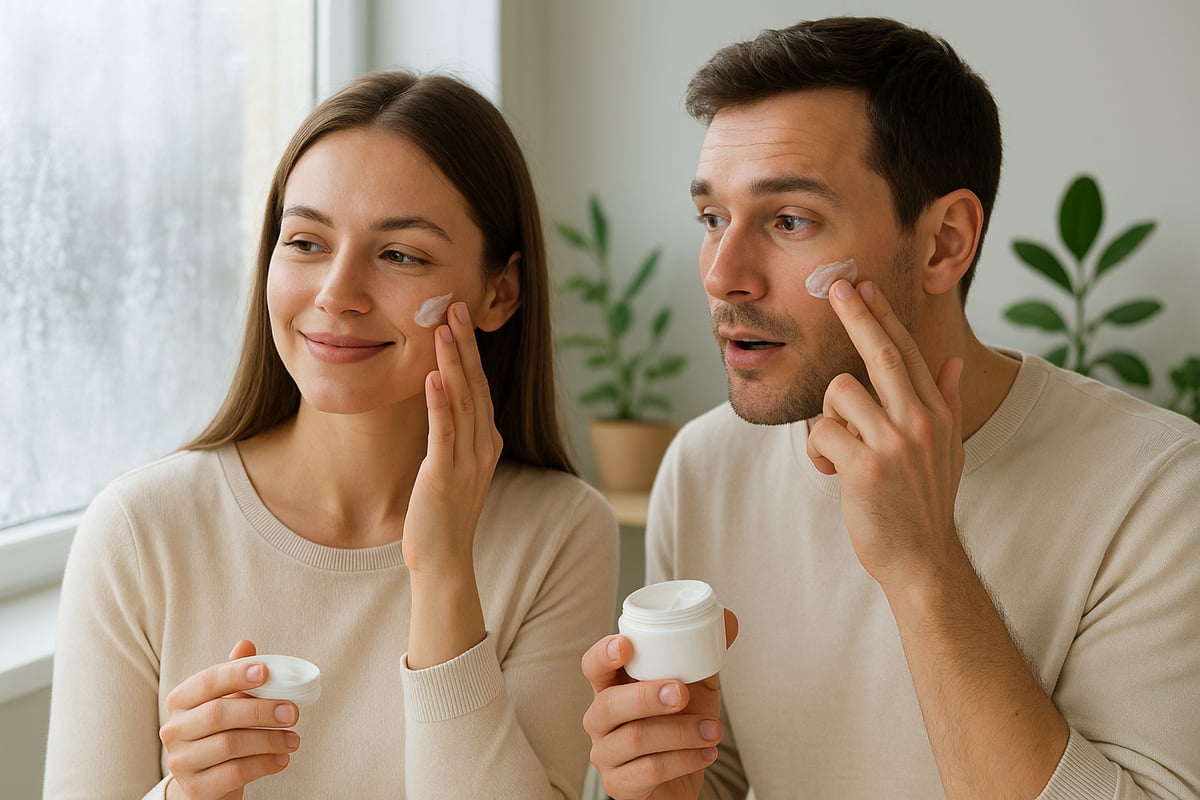
Day and night cream – what's the difference?
A facial moisturizer isn't always a one-size-fits-all. Day creams are often lighter and contain protective ingredients like antioxidants and sometimes SPF. Night creams are richer, focusing on restorative and nourishing ingredients. Many people choose to invest in both to maximize skin hydration and protection around the clock.
| Type | Texture | Function | When to use |
|---|---|---|---|
| Day cream | Lightweight, quickly absorbed | Protection, moisture, radiance, SPF | Morning, before makeup |
| Night cream | Rich, nutritious | Repair, deep hydration | Evening, after cleaning |
If you have a busy day or want to simplify your routine, there are multifunctional facial moisturizers that work both day and night.
Seasonal adaptation of the skin care routine
The Swedish climate means large variations in humidity and temperature, which affects how your facial moisturizer should be adjusted. During the winter, the air is drier and the skin needs a thicker, more protective cream. In the summer, lighter, gel-based creams are better suited to avoid the skin feeling heavy.
- Winter: Choose a richer facial moisturizer with ceramides and oils.
- Summer: Opt for lighter, quickly absorbing creams.
- Transition periods: Gradually switch to a new formula as the weather changes.
Want tips on how to achieve a natural glow all year round? Read more about natural glow without makeup and how the right moisturizer for your face plays a crucial role.
Adaptation to lifestyle and routines
Your lifestyle influences your choice of facial moisturizer. Are you often outdoors, exercise regularly, or travel a lot? Then you may need extra protection from the elements, or convenient travel packaging. Statistics show that sales of multifunctional facial moisturizers increased significantly in 2023–2024, indicating that more people are looking for flexible solutions.
- Active people: Choose a facial moisturizer with extra protection and a lightweight formula.
- Travelers: Invest in small packages and products with moisturizing properties that last in dry air.
- Outdoors: Always use facial moisturizer with SPF if you are in the sun.
Adapting to your everyday life makes your skincare routine more effective and sustainable.
How to combine moisturizer with other skincare products
For best results, facial moisturizer should be integrated into a well-thought-out routine. The basic rule is to apply products in order from thinnest to thickest:
- Cleaning
- Serum
- Facial moisturizer
- Sun protection (daytime)
- Any makeup
Exfoliation should be done 1-2 times a week, always before applying facial moisturizer. This routine ensures maximum effect and protection.
The latest trends and innovations for 2025
Looking ahead to 2025, we see rapid development in facial moisturizers. The market is driven by new ingredients, technological innovations and growing demands for sustainability. Consumers are increasingly demanding customized and multifunctional products. Here, we guide you through the most important trends for the year ahead.
New ingredients and technologies
In 2025, several innovative ingredients are highlighted in facial moisturizers. Peptides are increasingly used to stimulate the skin's own collagen production, which increases elasticity and reduces lines. Probiotics are popular for strengthening the skin's microbiome and protecting against external stressors. Adaptogens, such as ashwagandha and reishi, help the skin balance stress and regain its natural glow.
Developments are also moving towards more advanced technologies, where nanoparticles and encapsulation technology enable deeper and more effective hydration. Many brands are launching products that combine multiple active ingredients for a tailored effect. Research shows that these new solutions can provide visible results after just a few weeks of use.
Sustainability and environmentally friendly choices
Sustainability is now a given when choosing a facial moisturizer. More consumers are choosing products with recyclable packaging and natural ingredients. Statistics show that over 70% of Swedes prioritize environmentally friendly alternatives when purchasing skin care. This has led many companies to develop vegan and organic creams, free from harmful chemicals.
New certifications and labels make it easier to make the right choice. Packaging is becoming smaller and more resource-efficient, while products are often multifunctional to reduce consumption. Consumer demands for transparency are increasing, which is driving innovation and clearer ingredient lists.
Customized and personalized moisturizers
Personalization is a strong trend in facial moisturizers. Digital skin analyses and AI-based recommendations make it possible to find a cream that exactly matches your skin's needs. Several companies now offer online services where you get an analysis and product suggestions based on your skin type, age and lifestyle.
New technologies, like AI-powered skin moisture assessment , make it easier to measure and track your skin’s moisture levels in real time. This allows you to adapt your routine and switch products as your skin’s needs change. The result is more effective and accurate skincare, taking the guesswork out of it.
Minimalist and multifunctional products
Minimalism is driving the evolution of facial moisturizers. Many consumers want fewer products in their bathroom cabinets, but with maximum effect. Multifunctional creams combine hydration, protection and nourishment in one step, simplifying the routine without compromising on results.
The benefits are clear: less time, lower cost and less environmental impact. At the same time, some skin types may need more specialized solutions. That's why it's important to choose a facial moisturizer that suits your needs, even if it's versatile. This way, you get the most out of both innovation and simplicity.
Common mistakes and how to avoid them
Choosing and using a facial moisturizer may seem simple, but many people make mistakes that reduce its effectiveness and sometimes worsen the health of their skin. Below are the most common pitfalls – and how to avoid them to get the most out of your skincare routine.
Over-application or under-application of moisturizer
A common mistake is using too much or too little moisturizer on your face. Over-application can clog pores, while too little product won't provide enough protection. Aim for a pea-sized amount for your entire face.
Regular and correct dosage helps the skin maintain optimal moisture balance and prevents problems such as dryness or shine. Adjust the amount according to the season and skin type for best results.
Incorrect application and routine errors
Many people apply facial moisturizer in the wrong order or with the wrong technique. It is important to cleanse the skin first, apply any serum, and then the moisturizer using light, upward movements.
Avoid pulling on the skin and make sure the cream is absorbed properly before moving on to the next step. The wrong order can reduce the effectiveness of both moisturizer and other products.
Choosing moisturizer solely based on price or brand
It's easy to be tempted by famous brands or low prices, but the most important thing is that the facial moisturizer suits your skin type and needs. Don't ignore the ingredient list and be critical of marketing.
A customized product will give better results than choosing based on superficial factors. Men have special needs – read our guide to the best face creams for men 2025 for tips.
Ignoring the skin's changing needs
The condition of your skin changes with age, season and lifestyle. Continuing to use the same facial moisturizer year after year can leave your skin feeling less supported. Pay attention to whether your skin feels drier, oilier or more irritated than usual.
If there are signs of imbalance, adjust your routine. Please consult an expert or read more at Dry skin and itching – 1177 for professional advice.
Examples of unsuccessful and successful skincare routines
A person with dry skin who underapplies facial moisturizer may experience flaking and tightness, while overapplying it to someone with oily skin may cause breakouts. However, case studies show that those who adapt the amount, technique, and product selection to their skin type often experience visibly healthier skin.
Make small adjustments and observe the difference – it can be crucial to finding your optimal skincare routine.
Expert Tips for Finding Your Perfect Moisturizer in 2025
Finding the perfect facial moisturizer requires more than just reading the label. Experts stress the importance of personal analysis, careful testing, and paying attention to your skin's changing needs. Here's some practical advice to ensure your facial moisturizer really works for you—both today and in 2025.
Advice from skin therapists and dermatologists
To choose the right facial moisturizer, skin therapists recommend always starting with an individual skin analysis. Professionals can identify your skin type and suggest products that match your needs. Many clinics offer digital skin analyses and customized recommendations, something that has become increasingly common according to the Skincare Industry 2020–2022 . Getting help from experts can be crucial in finding a facial moisturizer that provides the best possible results.
How to safely test a new moisturizer
When trying a new facial moisturizer, it's important to do a patch test. Apply a small amount to a discreet area, such as behind your ear, and wait at least 24 hours. This will reduce the risk of allergic reactions or irritation. Remember that the effects of a facial moisturizer often only become apparent after a few weeks of regular use, so be patient and evaluate the results over time.
When you should change products or update your routine
Your skin changes with the seasons, hormones, age, and lifestyle. If you notice that your facial moisturizer is no longer providing the same results, or if you experience new problems like dryness or shine, it may be time to review your routine. Switch to a new facial moisturizer when your skin's needs change, such as when transitioning from winter to summer or after hormonal changes.
How to get the most out of your investment
To get the most out of your facial moisturizer, combine it with a gentle cleanser, a customized serum, and always wear sunscreen during the day. Apply the products in the correct order and allow each step to absorb before moving on. This way, you maximize the effect of your facial moisturizer and give your skin optimal conditions for hydration and protection.
Summary checklist for choosing a moisturizer
- Identify your skin type and its needs.
- Read the ingredient list carefully.
- Always test a new facial moisturizer with a patch test.
- Adapt your routine to the season and lifestyle.
- Consult a dermatologist if you are unsure.
- Evaluate the results regularly and be prepared to change if necessary.
Following these expert tips increases your chances of finding a facial moisturizer that really suits you and provides long-term results.
Now that you have a clearer picture of your skin type, which ingredients suit you and what to avoid, you are one step closer to finding your perfect moisturizer for 2025. Choosing the right product is both about understanding your own skin and choosing consciously from quality, sustainable alternatives. At Éclore, we believe in natural ingredients and carefully selected products that provide both results and everyday luxury. Want to see which moisturizers meet your specific needs and our vision of skincare?
See our range