Dreaming of firmer, younger-looking skin? In 2025, collagen has become one of the most talked-about ingredients in skincare. Our guide gives you everything you need to know about collagen, from its role in the body to how you can maximize its effects for visibly better skin.
We'll find out what collagen is, how it affects skin aging, and which supplements or natural methods actually work. Get answers to common questions, get expert tips, and see how you can create visible changes in your skin.
What is collagen and why is it important for the skin?
Understanding collagen is key to understanding the structure and strength of the skin. Collagen is the body's most abundant protein and acts as a kind of "scaffolding" for the skin. Around 30 percent of all the body's protein is collagen, and it is found primarily in the skin, bones, joints and connective tissue.
Collagen is made up of amino acids such as proline, glycine and hydroxyproline. These are linked together to form strong fibres that give the skin its firmness and elasticity. In order for the body to form collagen, it also requires important nutrients, especially vitamin C, zinc and copper. Without these substances, collagen cannot be formed in sufficient quantities, making diet crucial for skin health.
It is important to know that collagen is only found naturally in animal products such as meat, fish, bone broth and gelatin. However, plant-based alternatives may contain substances that stimulate the body's own collagen production, but they do not contain collagen itself.

The fundamental role of collagen in the body
Collagen is the most important building block in many of the body's tissues. In the skin, collagen acts as a network that holds cells together and provides structure. This protein is crucial for the skin to feel supple and resistant to external stress.
In addition to the skin, collagen is found in tendons, ligaments, cartilage and blood vessels. The amino acids that make up collagen require the presence of vitamin C, zinc and copper to be able to be assembled correctly. If any of these substances are missing, collagen production is impaired.
It is worth noting that vegan-friendly products are often marketed as collagen, but they actually contain substances that help the body produce more of its own collagen, not collagen itself.
Different types of collagen and their functions
There are at least 28 identified types of collagen, but the three most important for skin and joints are types I, II and III. Type I makes up 90 percent of the body's collagen and is responsible for the strength and structure of skin, bones and tendons. Type II is found mainly in cartilage and is crucial for joint function. Type III is found in muscles, arteries and organs, and contributes to elasticity and support.
| Type of collagen | Main location | Function |
|---|---|---|
| Type I | Skin, bones, tendons | Strength, structure |
| Type II | Cartilage | Joint support |
| Type III | Muscles, organs | Elasticity, support |
For the appearance of the skin, types I and III are most relevant, as they affect both firmness and volume. By understanding which type of collagen is present where, it becomes easier to choose the right diet and skin care products to maximize the effect on the skin.
Collagen and skin aging
After the age of 25, the body's natural production of collagen decreases. Over time, the skin becomes thinner, less elastic and more prone to developing wrinkles and fine lines. The decrease is especially noticeable after menopause, when collagen production can drop drastically.
Statistics show that people over the age of 60 have significantly lower collagen levels in their skin compared to younger adults. Typical signs of reduced collagen are wrinkles, sagging skin and loss of volume. Research shows that this process is natural, but can be influenced by both lifestyle and external factors.
If you want to delve deeper into the science behind collagen and skin resilience, we recommend Collagen and Skin Aging , where the connection between collagen, aging, and skin appearance is analyzed in detail.
How is collagen affected by lifestyle and environment?
Our skin's youthfulness and elasticity are directly linked to collagen. But how we live and our environment can both protect and break down this important protein. To understand how to best preserve your skin's structure, it's crucial to know both risk factors and protective habits.
Factors that break down collagen
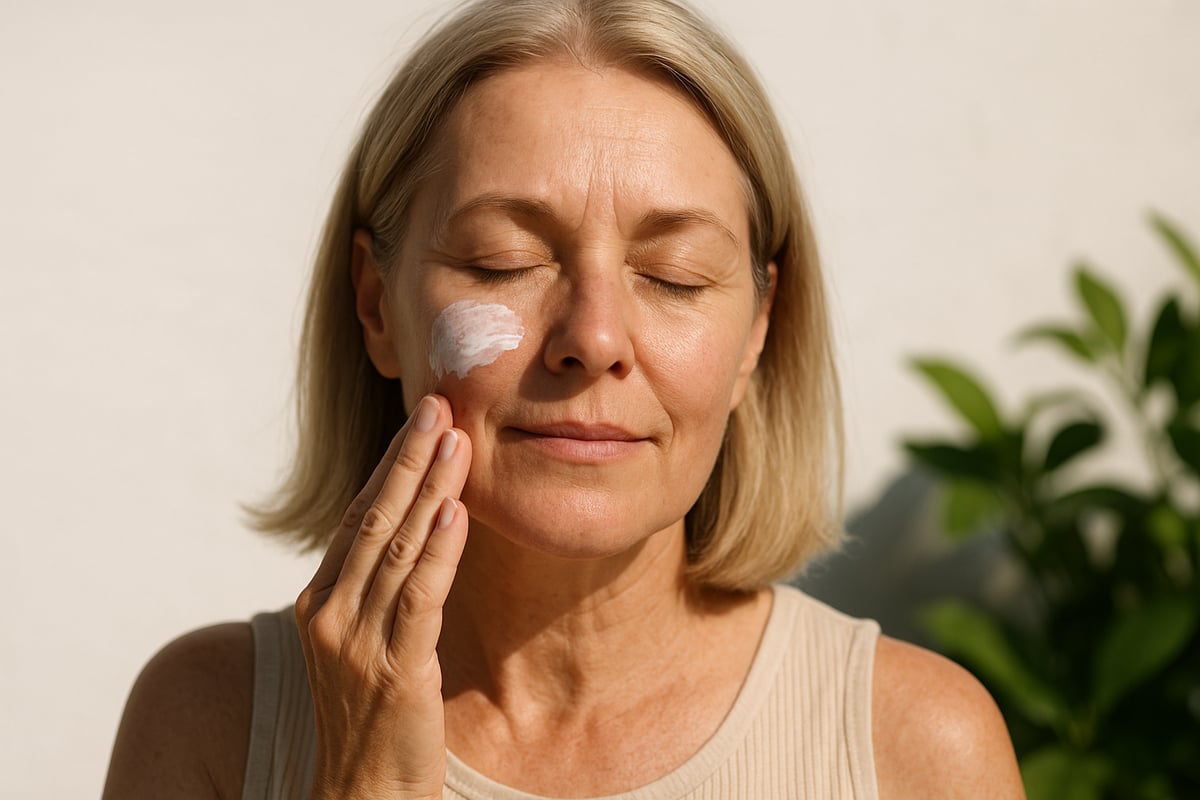
Several external and internal factors can accelerate the breakdown of collagen. The most well-known is UV radiation from the sun, which quickly breaks down collagen fibers and leads to wrinkles and premature aging. Smoking also negatively affects collagen, partly by reducing blood circulation to the skin and partly by introducing harmful substances that break down the protein.
Diet plays a crucial role. A high intake of sugar and refined carbohydrates leads to the saccharification of collagen, making it stiffer and less elastic. Stress and lack of sleep can disrupt the body's natural collagen production, resulting in tired and sagging skin.
Autoimmune diseases such as rheumatoid arthritis and lupus can damage the body's own collagen, affecting both joints and skin. For a deeper understanding of how these processes contribute to wrinkling, see Wrinkling and Collagen Degradation .
| Risk factor | Effect on collagen |
|---|---|
| UV radiation | Rapid degradation |
| Smoking | Reduced production |
| Sugar/carbohydrates | Impaired elasticity |
| Stress/sleep deprivation | Lower synthesis |
| Autoimmune diseases | Damage to the protein |
Knowing these factors gives you a better chance of protecting your collagen and thus your skin's youthfulness.
How to protect your collagen
There are several effective ways to protect and preserve your collagen. First and foremost, daily sun protection is crucial. Always use a cream with at least SPF 30, even on cloudy days, to counteract UV damage to collagen.
Diet also plays a big role. A balanced diet rich in antioxidants, vitamin C and protein supports the body's own collagen production. Avoid smoking and limit sugar intake to prevent harmful effects on the skin.
Here are some practical tips to protect your collagen:
- Apply sunscreen every morning.
- Eat fruits and vegetables that contain vitamin C.
- Choose protein-rich foods like chicken, fish, and legumes.
- Reduce sugar and avoid smoking.
Studies clearly show that people who avoid the sun and smoking often have better skin quality and fewer wrinkles than those who don't. In fact, smokers have more pronounced signs of aging than non-smokers of the same age, which highlights the importance of protecting your collagen through conscious lifestyle choices.
Collagen Supplements: What Does the Research Say in 2025?
Interest in collagen has exploded in recent years. Today, there is a wide range of collagen products, from classic powders to trendy drinks and candies. But what does the research in 2025 really say about the effects of collagen as a supplement, and how do you choose the right product for your skin?
Different forms of collagen supplements
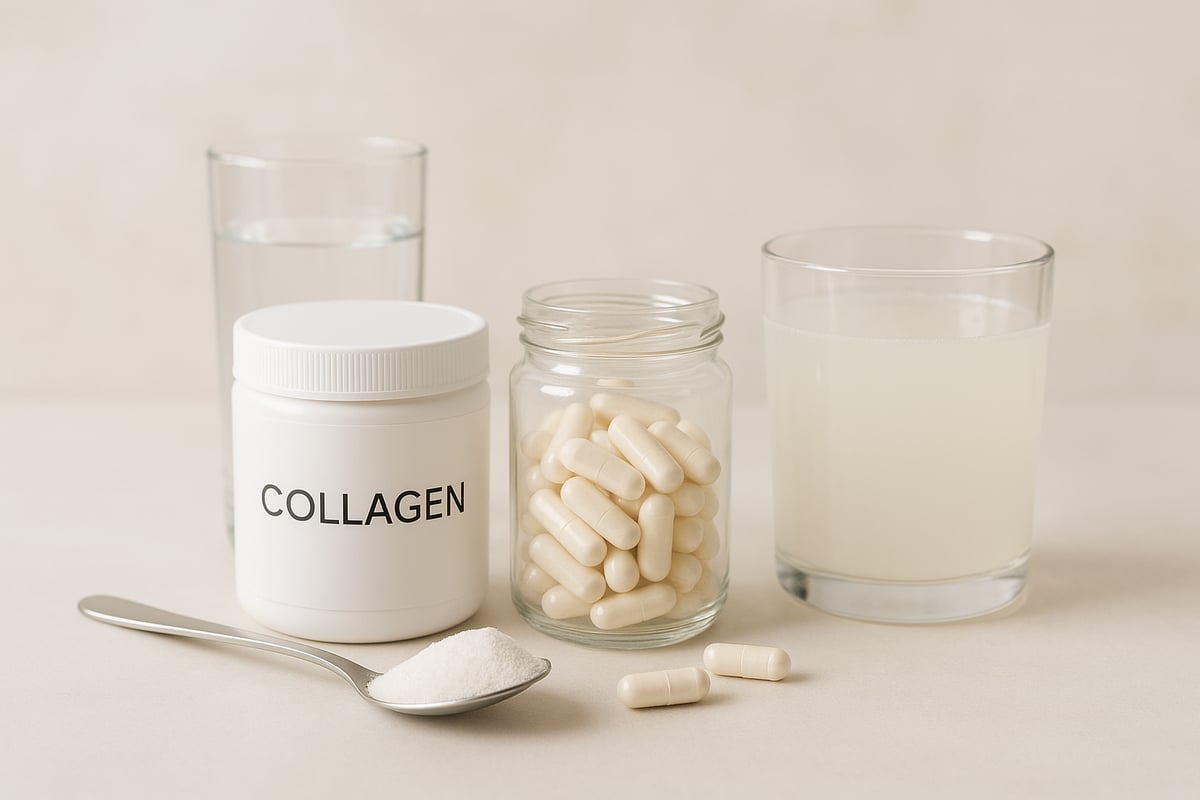
Collagen is available in many different forms today, which can make choosing a challenging task. The most common are hydrolyzed collagen, gelatin, and various animal sources. Hydrolyzed collagen consists of peptides that have been broken down into smaller molecules. This makes it easier for the body to absorb and use the building blocks.
Gelatin is a less processed form of collagen, but is generally considered less effective than hydrolyzed peptides. The origin often varies between beef, fish (marine collagen) and chicken. Marine collagen is often marketed as being particularly good for the skin, while bovine collagen is common in supplements for joints and bones.
Collagen is sold as:
| Form | Receptivity | Typical uses |
|---|---|---|
| Hydrolyzed | Very high | Skin, joints, nails |
| Gelatine | Means | Cooking, simple supplements |
| Marine collagen | High | Skin, anti-aging |
| Bovine collagen | High | Joints, muscles |
| Chicken collage | Means | Cartilage, joints |
You can find collagen in powders, capsules, drinks, and even candy. The content and dosage vary widely, so it's important to read the ingredients list carefully.
Effect on skin appearance and health
Collagen research has made great strides in recent years. Studies show that daily intake of hydrolyzed collagen (5–10 grams per day) for 8–12 weeks can improve skin elasticity and hydration. A 2024 meta-analysis indicates that collagen can provide a noticeable improvement in skin moisture balance, as well as reduce visible wrinkles, but that more independent studies are still needed.
For example: A randomized study of women aged 35–55 years showed significantly increased skin elasticity after 12 weeks of supplementation. Many products combine collagen with vitamin C, hyaluronic acid or antioxidants to enhance the effect. However, it is important to point out that results can vary between individuals and that industry-funded studies dominate the field.
Want to read more about what the science actually says? Here is a summary of the effect of collagen supplements on skin health, where several studies are reviewed in detail.
Limitations and criticisms of supplements
Despite the positive results, there are several limitations when it comes to collagen as a supplement. First, collagen is broken down into amino acids in the stomach, and the body decides for itself where these building blocks are used. This means that it is not guaranteed that the collagen will end up in the skin.
Another important point is that most studies are small and often industry-funded. Independent, large-scale studies are still lacking. In addition, the European Food Safety Authority (EFSA) has not yet approved any health claims for collagen.
Many supplements also contain other substances, making it difficult to isolate the effect of collagen specifically. The market has grown rapidly, but scientific support is still limited.
Risks and side effects
Most people tolerate collagen well, but some should be cautious. People with allergies to fish, shellfish, or beef should carefully check the source of their collagen. Those with impaired kidney or liver function should also consult a doctor before starting a supplement, as high protein intake can affect these organs.
The environmental aspect is also important. Collagen from cattle can contribute to deforestation and climate impact. Marine collagen may be a better alternative from an environmental point of view, but it is important to choose products with clear traceability.
In conclusion, collagen is an exciting supplement with potential, but more independent research is needed to draw definitive conclusions about its role in skin health.
Natural ways to increase collagen production
Supporting the body's own production of collagen is often both effective and sustainable. By focusing on diet, lifestyle and proper skin care, you can give your skin optimal conditions for firmness and radiance.

Diet and nutrients that support collagen
A protein-rich diet is the foundation for the body to form collagen. Chicken, fish, eggs and legumes provide essential amino acids. Collagen formation also requires vitamin C, which you can find in citrus fruits, peppers and broccoli. Zinc and copper, which are found in nuts, seeds and shellfish, activate the enzymes that control collagen production.
Foods that strengthen collagen:
- Chicken, fish and eggs
- Citrus fruits, peppers, broccoli
- Nuts, pumpkin seeds, shellfish
If you want to delve deeper into the importance of vitamin C for collagen, you can read more in the article Vitamin C for collagen synthesis . The Mediterranean diet, rich in vegetables and fish, has been linked to better skin quality and can stimulate collagen in the long term.
Lifestyle factors that stimulate collagen
Regular exercise improves blood circulation and can thus stimulate collagen in the skin. Sufficient sleep and effective stress management are important factors for cell repair and renewal, which benefits collagen production.
Important lifestyle habits for collagen:
- Exercise several times a week
- Prioritize 7–8 hours of sleep
- Manage stress with meditation or walking
- Avoid excessive sun exposure and wear protective clothing.
People who combine these habits often report more elastic and plump skin, suggesting that collagen benefits from a balanced lifestyle.
Skincare routines and topical products
Skincare products can also affect collagen locally. Ingredients like retinol and peptides are well-studied for their ability to stimulate collagen formation in the skin. Chemical peels and microneedling are two treatments that can increase collagen production by triggering the skin's natural repair processes.
Skincare tips that strengthen collagen:
- Choose serums with retinol or peptides
- Use antioxidant-rich creams
- Apply sunscreen daily
Combining the right skincare routine with a good diet and healthy lifestyle gives the skin the best possible conditions to maintain a strong collagen network.
Collagen in medicine and cosmetics: Applications and trends
Collagen has long been a central component in both medical and cosmetic developments. In 2025, we see continued strong demand for innovative collagen solutions, where science and sustainability go hand in hand. Below, we explore how collagen is being used in healthcare, beauty and future research.
Medical applications of collagen
In medicine, collagen has gained an important role due to its unique properties. It is often used in advanced dressings to accelerate wound healing, as collagen attracts new skin cells and promotes tissue repair. Collagen also has a place in dentistry, for example in membranes for bone regeneration in implants.
Another area where collagen has become indispensable is in aesthetic medicine. Here it is used as a filler to fill in wrinkles and scars, where its natural origin reduces the risk of allergic reactions. The results are often subtle and give the skin a more youthful fullness.
Collagen also contributes to the development of artificial skin grafts. These are used in burns or larger wounds, where the need for rapid and effective healing is crucial. Overall, collagen is an indispensable resource for both doctors and patients, and its importance is expected to increase in line with new research advances.
Cosmetic innovations 2025
Collagen has become one of the most sought-after ingredients in the cosmetics industry. New serums, masks and creams are constantly being launched, often in combination with hyaluronic acid and antioxidants for maximum effect. These products promise improved skin texture, increased elasticity and deep hydration.
A clear trend is "clean beauty", where the focus is on natural and transparent formulations. Many products contain collagen-stimulating plant extracts or peptides, meeting consumers' desire for effective but gentle solutions. Innovation is also evident in new delivery forms, such as microcapsules and bioactive films.
For those looking for visible results, it’s important to choose products with clinically tested concentrations of collagen. Many brands are collaborating with dermatologists to ensure their products really deliver. The future of cosmetic collagen products looks bright, both in terms of technology and availability.
The future of collagen research and sustainability
Collagen research is evolving rapidly, with a strong focus on sustainability and traceability. New plant-based materials are being investigated to stimulate the body's own collagen production, which could reduce dependence on animal sources and thus environmental impact. Interest in plant-based alternatives is growing as consumers become more environmentally conscious.
Producers are now focusing on transparency, where the origin and manufacturing process are openly reported. This is especially true for animal collagen, where consumers are demanding ethical and environmentally friendly choices. Statistics show that the demand for "green" products is increasing sharply, especially among younger target groups.
If you want to delve deeper into the latest research on collagen and its importance for skin health, we recommend Collagen Research: A Comprehensive Overview . It provides a broader understanding of both the opportunities and challenges in the field. Overall, collagen is an area where innovation, science, and sustainability meet in an exciting way.
Who should consider collagen supplements – and when are natural methods enough?
Deciding whether you should take collagen supplements is all about understanding your own needs and circumstances. Some groups may particularly benefit from extra support for skin and joints, while others may achieve good results with lifestyle changes and the right diet.
Target groups for collagen
Several factors determine whether collagen supplements may be worth considering. People over the age of 30 often notice the first signs of reduced elasticity and firmness in their skin. After 40 and especially after menopause, the body's own collagen production decreases markedly, which can lead to wrinkles and sagging skin.
Athletes and people with high physical exertion, such as runners or weight lifters, put extra wear and tear on their joints and skin. For these people, a collagen supplement can help restore and support cartilage and connective tissue.
There are also medical situations where collagen may be relevant, for example for those with autoimmune diseases that affect connective tissue, or in cases of rapid weight loss that can cause a loss of skin elasticity. At the same time, it is important to remember that collagen does not replace medical treatment, but acts as a complement.
Two of the most common reasons to start taking collagen are signs of aging and increased physical exertion. If you recognize yourself in these groups, a supplement may be worth trying.
When natural methods are sufficient
For younger people and those with a balanced diet, the body's collagen production is usually sufficient. If you prioritize nutritious food, get enough sleep, and avoid factors like smoking and excessive sun exposure, you can maintain good skin quality without supplements.
Studies show that lifestyle changes such as regular exercise and a Mediterranean diet can significantly improve the appearance of your skin. Using the right skincare products with collagen-stimulating ingredients, such as retinol and vitamin C, can also produce visible results. For those who want to read more about natural alternatives and anti-aging , Natural Skin Care and Anti-Aging can be a guide to how to stimulate your own collagen production in a sustainable way.
It is therefore wise to first evaluate your lifestyle and skin care routine before considering supplements. Natural methods can go a long way, especially at younger ages or if you already have good habits.
Advice when choosing a collagen strategy
If you are considering taking collagen supplements, it is important to make an informed choice. Please start by consulting your doctor, especially if you have any medical conditions or are taking medications that may be affected by increased protein intake.
Try collagen for two to three months and document changes in the look and feel of your skin. Always compare the cost of supplementation to the results you see, as improved nutrition often provides broader health benefits. Don’t forget that skin care routines also play a big role in skin texture and firmness, read more about this in Skin Care Routine for Firmer Skin if you want to optimize your strategy.
In conclusion, collagen supplements can be a complement for some, but often natural methods go a long way. Adapt your strategy to your needs and monitor results regularly.
Step-by-Step: How to Maximize Your Collagen for Better Skin in 2025
Do you really want to see collagen results for your skin? A structured step-by-step strategy helps you take control and create long-term change. Here are six concrete steps, based on science and proven methods, that will guide you towards visibly firmer, more youthful skin by 2025.
Step 1: Evaluate your current skin and health status
Start by observing your skin carefully. Signs of collagen deficiency are often obvious: wrinkles, sagging skin, and decreased elasticity. Notice if your skin quickly returns to its original shape when you pinch it.
Review your daily habits. Do you smoke, sleep poorly, or have a lot of stress? These factors negatively affect collagen. Write down your dietary habits, your intake of vegetables, protein, and water.
- Make a simple checklist:
- Are there lines or wrinkles that have become deeper?
- Does your skin feel dry or thin?
- Do you have joint pain or reduced mobility?
Mapping the current situation gives you a better chance of choosing the right measures to strengthen collagen.
Step 2: Optimize your diet and nutritional intake
Collagen is made up of amino acids, vitamins and minerals. Make sure every meal contains good sources of protein such as fish, chicken, eggs or legumes. Fill up on colorful vegetables, especially those rich in vitamin C, such as peppers and citrus.
Feel free to supplement with nuts and seeds to get zinc and copper, two important minerals for collagen synthesis. Avoid fast carbohydrates and sugar, as they can damage collagen fibers.
- Example of daily menu:
- Breakfast: Eggs, wholemeal bread, orange
- Lunch: Grilled chicken, quinoa, broccoli
- Dinner: Salmon, sweet potatoes, peppers
By optimizing your nutrition, you get the building blocks needed for your body to produce collagen effectively.
Step 3: Implement effective skincare routines
Skincare products can support collagen production in several ways. Retinol, peptides and antioxidants are proven effective ingredients. Retinol stimulates cell renewal and strengthens skin structure, which you can read more about in our article on Retinol and Collagen Stimulation .
Combine a day cream with SPF to protect against the sun's harmful rays and a night serum with collagen-stimulating ingredients. Apply the products in the right order and be consistent.
- Tips for the routine:
- Cleanse skin thoroughly morning and evening.
- Use serum with peptides before moisturizer
- Always apply sunscreen in the morning
A well-thought-out routine helps you preserve and strengthen collagen in your skin.
Step 4: Consider collagen supplements – choose the right product
If you want to give your skin extra support, collagen supplementation may be an option. Choose hydrolyzed collagen, preferably from marine sources if you prioritize the appearance of your skin. Make sure the product contains at least 5–10 grams of collagen per day, as these are doses that have been shown to be effective in studies.
Always read the ingredients list and choose products without unnecessary additives. Follow the manufacturer's dosage recommendations and evaluate the results after 8–12 weeks. Studies show that regularity is crucial to seeing visible improvements in the skin.
- Important to consider:
- Check origin (marine, bovine, chicken)
- Combine with vitamin C for increased effect.
- Document the skin's change before and after
Choosing the right collagen supplement can yield noticeable results, especially when combined with the other steps.
Step 5: Support collagen with a healthy lifestyle
Exercise, sleep and stress management are all important for collagen. Physical activity increases blood circulation and promotes the body's own production of collagen. Prioritize at least seven hours of sleep per night and try to manage everyday stress with things like meditation or walking.
Avoid smoking, as it breaks down collagen and worsens the quality of your skin. An active life and good habits will help your skin age more slowly and stay supple longer.
- Tips for everyday life:
- Do strength and conditioning training 2–3 times per week
- Include short breaks for recovery
- Choose stairs over elevator
By taking care of your entire body, you maximize the effect of collagen.
Step 6: Follow up and adjust your strategy
Regularly evaluate your progress. Document changes in the look and feel of your skin, preferably with before and after photos. If you don't see the desired effect, adjust your diet, change skin care products, or try a different type of collagen supplement.
Consult a dermatologist or doctor if you are unsure which strategy is right for you. Be patient, as collagen changes take time to become visible.
- Checklist for follow-up:
- Has the skin become firmer or more hydrated?
- Have wrinkles or lines decreased?
- How are you doing otherwise?
Following through and adapting your routine is key to long-lasting results for your skin and collagen.
Now that you know more about the importance of collagen for skin health and the best ways to enhance your natural beauty, you may be curious about products that will support your journey. At Éclore, you’ll find carefully selected skincare favorites with natural ingredients that nourish and brighten – while focusing on sustainability and quality. Whether you’re looking to complement your routine or give your skin an extra boost, there’s something for you.