Discover why choosing skincare ingredients will become increasingly important in 2025. As new research and awareness grow, vitamin C skincare is at the center of a revolution in beauty and wellness.
This article compares vitamin C skincare to other popular ingredients and highlights their strengths, weaknesses, and the key trends for the future.
We review how vitamin C skincare affects the skin, compare effects with retinol, hyaluronic acid and niacinamide, and guide you to the right combinations for best results.
Get inspiration and knowledge to choose vitamin C skin care or other ingredients that suit your needs and give you radiant skin.
Vitamin C in Skincare 2025: Science, Trends and Innovations
Vitamin C skincare has taken a central place in the modern beauty routine, and we see continued strong growth in 2025. More and more consumers are looking for active ingredients that provide visible results, and vitamin C is in the focus of both research and product development.
What is vitamin C and why is it popular?
Vitamin C skincare is based on the power of ascorbic acid and its modern derivatives, such as sodium ascorbyl phosphate and ascorbyl glucoside. These forms are known for their stability and ability to deliver effective results even with daily use.
One of the biggest reasons for its popularity is its strong antioxidant properties. Vitamin C skin care protects the skin against free radicals, environmental pollutants and UV radiation, which helps to counteract premature aging. At the same time, vitamin C stimulates the skin's collagen production, which reduces the appearance of wrinkles and fine lines.
For many, more even skin tone and increased radiance are the most obvious effects. Vitamin C skin care helps reduce hyperpigmentation and gives the skin a more radiant finish. In addition, vitamin C strengthens the barrier function and supports the skin's natural repair process.
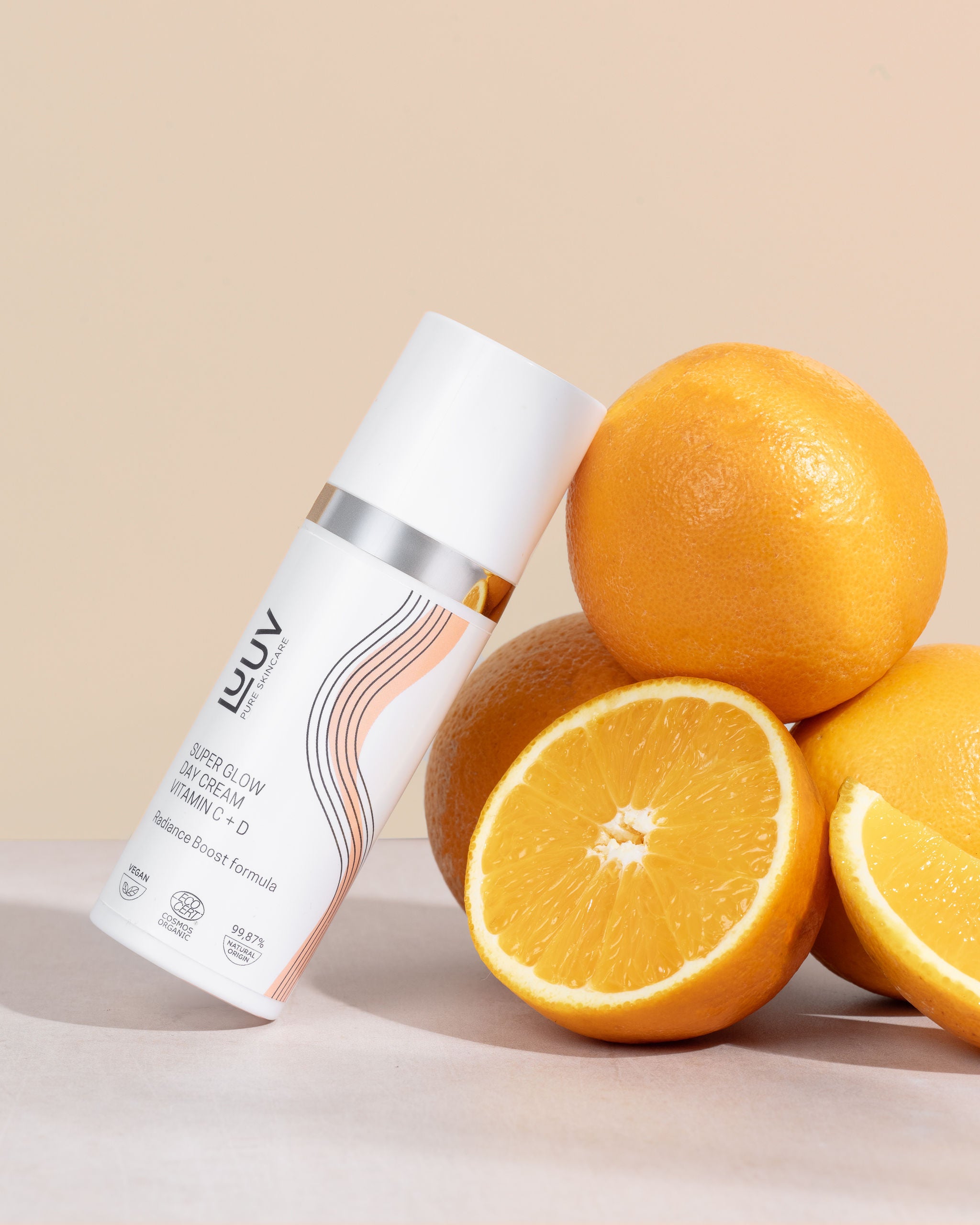
According to industry statistics, sales of vitamin C serum increased by over 30 percent in Sweden in 2024. This shows how the demand for vitamin C skincare is increasing rapidly and confirms its status as one of the most sought-after ingredients. One example is LUUV Super Glow Day Cream, which combines vitamin C and vitamin D to provide both protection and radiance.
If you want to delve deeper into the effects and science behind vitamin C, we recommend Benefits of Vitamin C in Skincare , where you will find more insights and product choices.
New innovations and trends for 2025
The development of vitamin C skin care is moving rapidly, and 2025 will see several exciting innovations. New, more stable vitamin C derivatives have been developed to provide even better results without irritating the skin. These advanced forms allow for higher concentrations and longer shelf life, making the products more effective and user-friendly.
Multifunctional products are a clear trend. Many brands combine vitamin C with SPF, hyaluronic acid or Q10, which provides broader protection and more benefits in one product. Packaging technology has also taken great strides forward. Air-tight bottles and dark glass containers protect the vitamin C from oxidation, ensuring that vitamin C skin care maintains its potency for longer.
The demand for natural and organic sources of vitamin C is constantly increasing. Consumers are looking for sustainable alternatives and are choosing products where vitamin C is extracted from fruits, berries or plant extracts. This reflects a broader trend towards more environmentally friendly and conscious skin care.
Several popular product lines for 2025 stand out with their innovative formulations and focus on sustainability. The best vitamin C skincare options offer both visible results and consideration for the environment, making them an obvious choice for today's conscious consumer.
In summary, vitamin c skincare 2025 is a combination of advanced science, smart packaging design and a strong focus on natural ingredients. Regardless of skin type, there is now a wide range of products that deliver both protection and radiance at the forefront of skincare developments.
Comparison: Vitamin C vs. Other Key Ingredients in Skincare
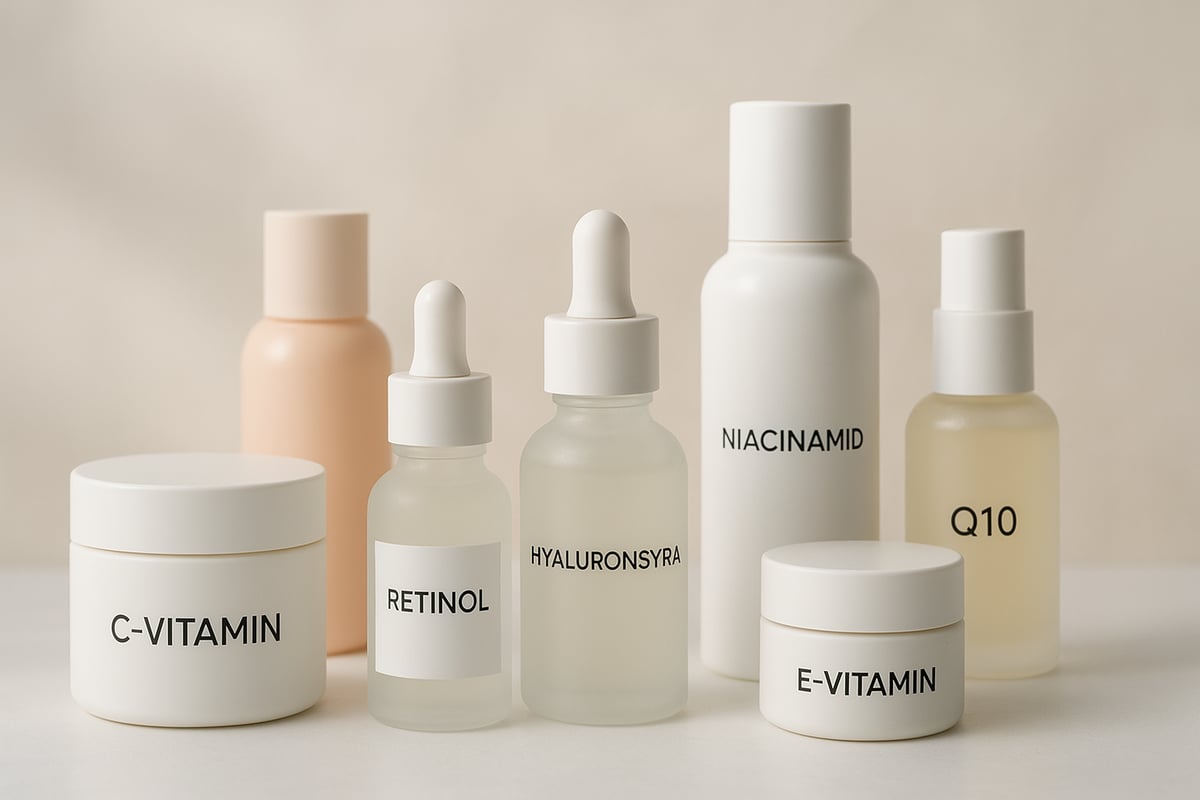
Understanding the differences between vitamin C skincare and other popular ingredients is crucial to finding the right routine. Each active ingredient has unique properties and different effects on the skin. Below, we compare vitamin C skincare with retinol, hyaluronic acid, niacinamide, vitamin E, and Q10 to guide you towards the best choice.
For those of you who want to delve further into how these ingredients work and can be combined, this Guide to Active Ingredients in Skincare is recommended.
Retinol (Vitamin A)
Retinol is a well-studied ingredient in advanced skincare. It works by stimulating cell turnover and accelerating the skin's natural renewal process. The result is improved texture, reduced fine lines, and a more even skin tone.
One of the biggest benefits of retinol is its powerful anti-aging effect. It is often used against both signs of aging and acne. However, retinol can cause irritation, especially for people with sensitive skin, and makes the skin more sensitive to light. Therefore, retinol is mainly recommended in the evening.
In comparison, vitamin C skincare is gentler and better suited for daily use, even for sensitive skin. Many dermatologists suggest retinol at night and vitamin C skincare in the morning for best results. The combination provides both protection and renewal, but requires careful customization.
Hyaluronic acid
Hyaluronic acid is known for its exceptional ability to bind moisture and deeply hydrate the skin. It is particularly suitable for dry and sensitive skin, but is widely used in anti-aging products due to its plumping effect.
In Europe, hyaluronic acid was one of the three best-selling active ingredients in 2024. It provides immediate hydration and makes the skin plumper and softer. Hyaluronic acid is very gentle and rarely causes irritation, making it suitable for almost all skin types.
Compared to vitamin C skincare, hyaluronic acid primarily provides moisture, while vitamin C skincare provides radiance and protection against oxidative stress. Together, they complement each other perfectly and are a popular choice in multifunctional products.
Niacinamide (Vitamin B3)
Niacinamide has gained a lot of traction in recent years due to its versatile properties. It strengthens the skin barrier, reduces the appearance of pores, and balances sebum production, making it especially popular for oily, acne-prone, and sensitive skin.
An important advantage is that niacinamide is often well tolerated and can be used year-round. It also has a calming effect on redness and irritation. Compared to vitamin C skin care, niacinamide focuses on strengthening and balancing the skin, while vitamin C skin care provides radiance and helps even out skin tone.
Many serums now combine both ingredients, creating a synergistic effect for both radiance and strength, making them one of the most sought-after combinations on the market.
Vitamin E and Q10
Vitamin E and Q10 are both powerful antioxidants that protect the skin against environmental stress. Vitamin E also enhances the effect of vitamin C skin care and contributes to improved recovery after sun exposure.
Q10 works by providing energy to skin cells and improving skin elasticity. This results in firmer, more resilient skin. Both vitamin E and Q10 are often used in products targeting mature skin.
Compared to vitamin C skincare, these ingredients are particularly effective against oxidative stress, but vitamin C skincare is superior when it comes to treating pigmentation and providing radiance. Together, they can enhance each other's effects and create broader protection.
Summary table: strengths and weaknesses of each ingredient
To provide a clear overview of how vitamin C skincare stacks up against other ingredients, see the table below:
| Ingredient | Strengths | Weaknesses | Best for |
|---|---|---|---|
| Vitamin C | Antioxidant, radiance, even skin tone, environmental protection | May irritate sensitive skin at high doses | All skin types, pigmentation |
| Retinol | Anti-aging, cell renewal, acne | Irritation, photosensitivity | Mature skin, acne |
| Hyaluronic acid | Moisturizing, plumping, kind | No direct effect on pigment/wrinkles | Dry/sensitive skin |
| Niacinamide | Barrier-strengthening, pore-reducing, soothing | May be irritating in high concentration | Oily/sensitive skin, acne |
| Vitamin E/Q10 | Antioxidant, elasticity, protection against oxidative stress | Less effect on pigmentation/wrinkles | Mature skin, protection |
This table will help you quickly compare the most common active ingredients in vitamin C skincare and understand their respective strengths and weaknesses. When choosing products, it is important to tailor your choice to your skin type and specific needs to maximize the benefits of vitamin C skincare.
Vitamin C for different skin types and needs
Tailoring your vitamin C skincare routine to your skin type is crucial for best results. Whether you have sensitive, oily, dry, mature or darker skin tones, there are specific tips and products that will maximize the effect and minimize the risk of irritation. Below, we guide you through the most important advice and adaptations for each need.
Sensitive skin
Vitamin C skincare can be a great choice even for sensitive skin, as it strengthens the skin barrier and reduces redness. However, some forms, especially highly concentrated ascorbic acid, are more likely to cause irritation. So opt for milder derivatives like ascorbyl glucoside or sodium ascorbyl phosphate. Always do a patch test before applying a new product to your entire face.
- Start with a low concentration, 5–10 percent.
- Apply every other day at first.
- Feel free to combine with soothing ingredients such as panthenol or allantoin.
For more information on gentle alternatives, please visit Natural Skin Care for Sensitive Skin .
Oily and impure skin
People with oily or acne-prone skin can greatly benefit from vitamin C skincare. The antioxidant properties reduce sebum oxidation and prevent clogged pores. Choose a lighter serum without oils and combine it with salicylic acid to effectively combat impurities.
- Look for water-based formulations.
- Use vitamin C skincare in the morning for protection against environmental influences.
- Avoid greasy creams that can clog pores.
Dry skin
Dry skin needs both nourishment and moisture, which vitamin C skin care can help with by strengthening the skin's barrier and reducing moisture loss. To avoid tightness, always combine with moisturizers like hyaluronic acid or glycerin.
- Apply serum immediately after cleansing and follow with a rich moisturizer.
- Look for products that also contain ceramides or squalane.
- Avoid dehydrating alcohols in your routine.
Mature skin
Mature skin especially benefits from vitamin C skincare due to its ability to stimulate collagen production and reduce visible signs of aging. For maximum anti-aging benefits, combine with retinol or peptides, but use them at different times of the day.
- Vitamin C skincare in the morning, retinol in the evening.
- Choose products with stable derivatives for reduced irritation.
- Always use sunscreen during the day.
Darker skin tones
Hyperpigmentation and uneven skin tone are common challenges for darker skin types. Here, vitamin C skincare is extra effective, as it inhibits melanin production and evens out skin tone. According to studies, 8 out of 10 users report visibly smoother skin after eight weeks of regular use.
- Feel free to combine with niacinamide for a synergistic effect.
- Apply consistently every morning.
- Follow up with SPF to prevent new pigment spots.
Tips for best results depending on skin type
To get the most out of your vitamin C skincare, tailor your usage to your specific needs. Keep the following in mind:
- Always perform a patch test for sensitive skin.
- Start slowly and increase gradually.
- Combine with the right ingredients, but avoid mixing with strong acids at the same time.
- Use sunscreen daily to protect the results.
With the right strategy, vitamin C skincare can provide visible improvements for all skin types and needs.
Safety, side effects and usage tips 2025
Using vitamin c skincare can produce visible results, but it's important to be aware of safety aspects and avoid common mistakes. A well-planned routine reduces the risk of irritation and maximizes the effect. Below you will find the most important safety tips and usage advice for 2025.
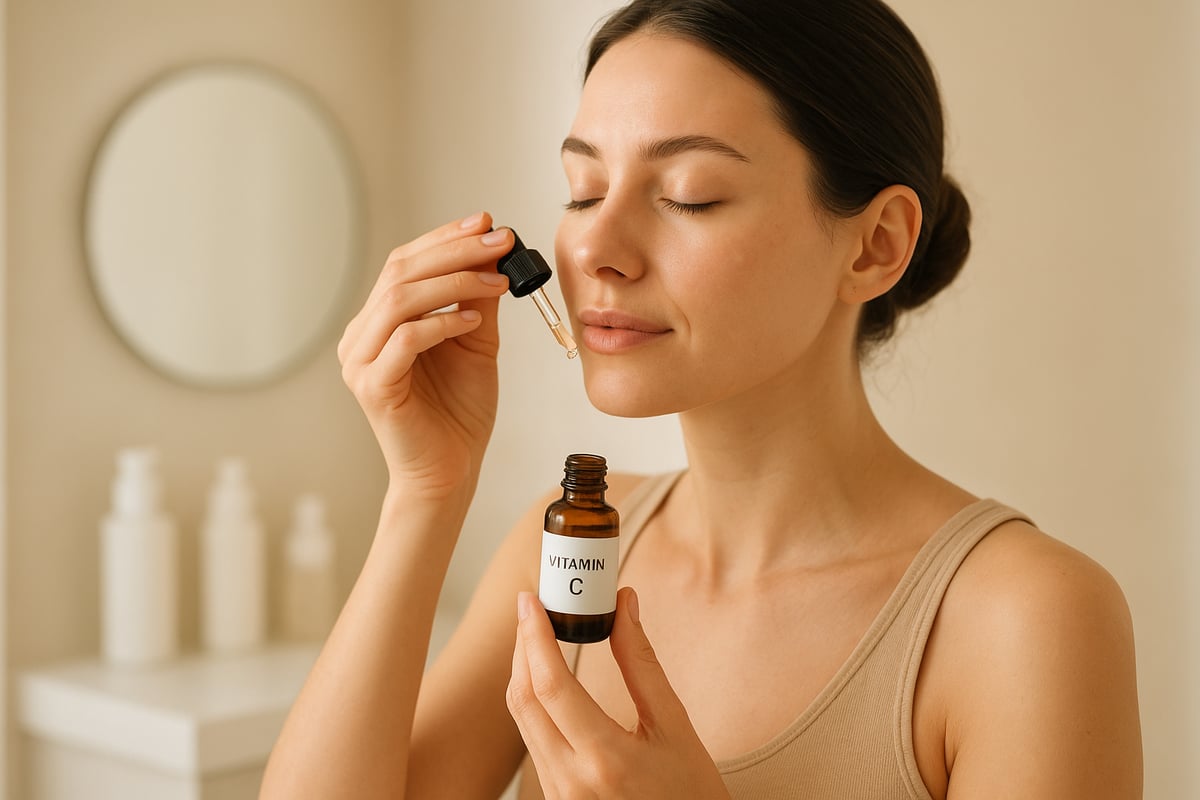
Common side effects and how to avoid them
When using vitamin C skin care, some people may experience side effects. The most common are slight redness, tingling or dryness, especially at high concentrations. To avoid this, you should always start with a low dose and gradually acclimate your skin to the product.
Some tips to minimize the risks:
- Always do a patch test on a small area of skin
- Choose stable and encapsulated formulations if you have sensitive skin
- Avoid using strong acids or retinol at the same time as vitamin C skin care
Combining active ingredients incorrectly can increase the risk of irritation. For more detailed advice on safe combinations, please read Skincare Ingredients You Should Avoid Combining .
Remember to always finish your morning routine with sunscreen when using vitamin C skin care.
Dosage and application
For the best effect of vitamin C skin care, the right dosage is crucial. Most serums and creams have a concentration between 5 and 20 percent. Sensitive skin should start on the lower scale, while more resistant skin can use higher concentrations.
Follow these steps for optimal application:
- Apply after cleansing, before moisturizer
- Use 2–3 drops of serum or a pea-sized amount of cream
- Store the product in a dark and cool place, preferably in airtight packaging.
Morning application is recommended, as vitamin C skincare protects against environmental pollutants during the day. Avoid mixing with products that have too low or too high pH, as this may reduce the effectiveness.
Who should avoid vitamin C?
Although vitamin C skin care is suitable for most skin types, there are exceptions. People with extremely sensitive skin, active skin diseases or recent skin treatments should be extra careful. Pregnant women are advised to consult a doctor before use.
If you experience severe redness, burning or rash, discontinue use and consult a dermatologist. Statistics from 2025 show that 92 percent of users notice improvement within 4–12 weeks, but individual tolerance varies.
Listening to your skin and choosing the right vitamin C skincare for your needs is the key to safe and lasting results.
Combining Vitamin C with Other Ingredients – Opportunities and Pitfalls
Combining the right ingredients is crucial to getting the most out of your vitamin C skincare. Many active ingredients can enhance each other’s benefits, but it requires knowledge of what works together and what to avoid. By understanding synergies and pitfalls, you can create a skincare routine that delivers visible results without unnecessary irritation.
Synergies and popular combinations
When it comes to vitamin C skin care, there are several combinations that are particularly effective. Vitamin C and hyaluronic acid are a classic duo, where vitamin C provides radiance and protection while hyaluronic acid deeply moisturizes. Together, they strengthen the skin's barrier and counteract dryness.
Another popular combination is vitamin C and vitamin E. These two antioxidants work together to protect the skin from oxidative stress and environmental aggressors. This synergistic effect makes the skin appear clearer and more resilient.
Vitamin C and niacinamide are also an effective combination for those looking to even out skin tone and soothe the skin. Research shows that these two ingredients can be used together without irritation, and they complement each other well. If you want to delve deeper into how different ingredients can create natural radiance, we recommend Guide to Glow and Luster .
Combining vitamin C with SPF provides extra protection against UV radiation and age spots. Many people also choose to use vitamin C in the morning and retinol in the evening to maximize the anti-aging effect without risking overexerting the skin.
Pitfalls and common mistakes
Despite all the benefits of vitamin C skincare, it's important to avoid some common mistakes. One of the biggest is using too many active ingredients at once, which can lead to irritation, redness, and compromised skin barrier function.
Mixing vitamin C and retinol or strong acids in the same routine without guidance can increase the risk of hypersensitivity. Therefore, you should always introduce new ingredients gradually and observe how your skin reacts. Incorrect pH level in the product can also reduce the effectiveness of vitamin C, so choose stable and well-formulated products.
Overuse is another pitfall. More is not always better in vitamin C skin care. Adjust the amount according to your skin type and needs. For those who want to read more about safe combinations and avoiding irritation, there is How to combine active ingredients without irritating the skin .
Examples of effective routines and product choices for different skin types
An effective vitamin C skincare routine starts with identifying your skin type. For dry skin, you can use a vitamin C serum followed by a moisturizing cream with hyaluronic acid. If you have oily or acne-prone skin, choose a lightweight vitamin C serum and supplement with niacinamide to balance sebum production.
For sensitive skin, it's best to choose milder forms of vitamin C, like ascorbyl glucoside, and combine with soothing ingredients like panthenol. Mature skin benefits from using vitamin C in the morning and retinol in the evening, always in combination with SPF during the day.
Table: Examples of skin care routines
| Skin type | Morning routine | Evening routine |
|---|---|---|
| Dry | Vitamin C serum + hyaluronic acid | Moisturizer |
| Fat | Vitamin C serum + niacinamide | Light gel cream |
| Sensitive | Mild vitamin C + panthenol | Moisturizing balm |
| Mature | Vitamin C + SPF | Retinol + moisturizer |
By tailoring your vitamin C skincare routine and choosing the right combinations, you can optimize results and minimize the risk of side effects. Always adapt your routine to the season and your skin's current needs.
The future of skincare: How do you choose the right ingredient for your skin?
Finding the right ingredient for your skin is all about understanding your unique needs. First, you need to identify your skin type, such as dry, oily, sensitive or mature skin. Next, you should map out your primary skin concerns, such as pigmentation, wrinkles, dryness or acne. By analyzing these factors, you can more easily determine whether vitamin C skincare, retinol, hyaluronic acid or other active ingredients are best for you.
Scientific trends 2025
The skincare industry is changing rapidly, and by 2025 we will see a clear increase in demand for natural and sustainable ingredients. Multifunctional products, which combine vitamin C skincare with hyaluronic acid or SPF, are becoming increasingly common. Personalized skincare, where products are tailored to the individual's needs, is also on the rise. If you want to stay up to date with the latest scientific findings and trends, you can read more at the Skincare News and Trends Blog .
Examples of how consumers choose between vitamin C, retinol and other active ingredients
Many Swedish consumers today choose products based on natural ingredients. According to the industry report, 64% of Swedes prefer natural alternatives, especially in vitamin C skin care. The choice is also influenced by scientific studies, which show that vitamin C can reactivate genes important for skin renewal. Please read about a groundbreaking study from 2025 in the article Vitamin C rediscovered as a genetic youth serum .
Tip: Always read ingredient lists and choose products from trusted brands
To be successful with vitamin C skin care, it is crucial to review ingredient lists and choose products from recognized brands. Adjust your choices according to season and age, and be sure to combine active ingredients safely. By being educated and aware, you can create an effective and sustainable skin care routine that meets your specific needs.
Now that you have a clear overview of how vitamin C, retinol, hyaluronic acid and niacinamide affect the skin in different ways, you may want to take the next step and find products that really suit your needs and values. I know it can feel difficult to navigate through all the ingredients and trends, but there are smart, natural choices that both strengthen and balance your skin. At Éclore you will find carefully selected skincare products with a focus on nutritious ingredients, sustainability and quality, perfect for those who want to give their skin that little bit extra.
See our range