Do you dream of radiant, smooth and healthy skin? Then facial peeling could be the key you are looking for. In this guide you will get all the knowledge you need about facial peeling in 2025, from basic understanding to advanced tips.
You'll learn about different types of exfoliation, how to adapt your routine to your skin type, get a step-by-step guide, avoid common mistakes, and get expert advice. Discover the benefits, build your desire for better skin, and take the first step towards an optimal skincare routine. Read on to get the best advice and give your skin a new lease of life.
What is Facial Peeling and Why Do You Need It?
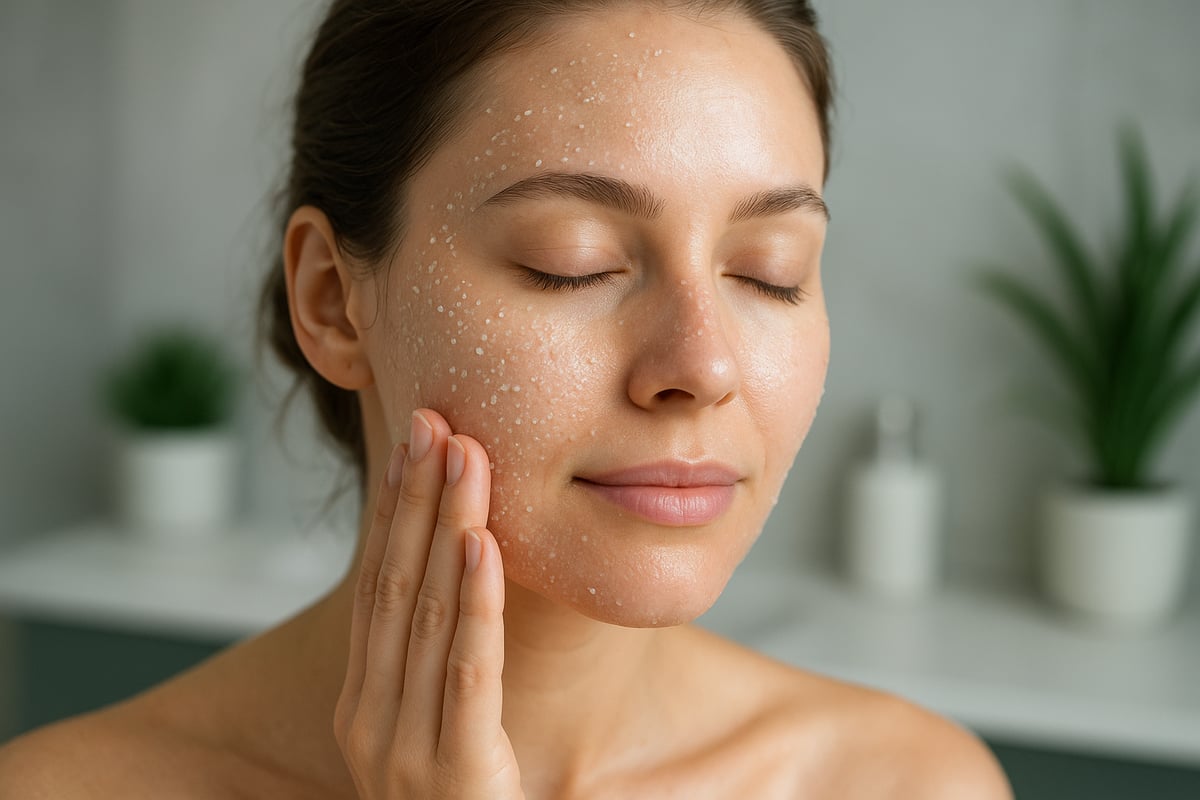
Understanding what facial exfoliation is and why it is a fundamental part of modern skincare can change your routine. Facial exfoliation involves the controlled removal of dead skin cells from the surface of the skin, helping the skin to feel clearer and healthier. Many people confuse facial exfoliation with regular cleansing, but the effect and results are significantly different.
Facial peeling basics
Facial exfoliation goes beyond regular cleansing. While cleansing removes dirt and makeup, exfoliation works deeper by effectively dissolving and removing old skin cells that can otherwise clog pores and give a dull, uneven skin tone.
| Regular cleaning | Facial peeling |
|---|---|
| Removes external dirt and oil | Removes dead skin cells in depth |
| Daily use | 1-3 times per week depending on skin type |
| Mild effect | Visible improvement in skin texture and radiance |
When you use facial peeling, cell renewal is stimulated, which means that new, healthy skin cells come to the surface faster. This has proven effects, with studies showing that regular peeling can increase the skin's absorption of active ingredients by up to 20 percent. Before and after photos from users of different peeling types testify to a clear difference in skin clarity and smoothness.
Another important aspect is customization. How often you should use a facial peel depends on your skin type and the product you choose. Sensitive skin may need a gentler peel and longer intervals, while oily or blemished skin can often handle peeling more frequently.
Including facial exfoliation in your skincare routine is crucial for bringing out your skin's natural glow. If you want to know more about how to get a natural glow on your face, read this guide to a natural glow .
Benefits of regular facial exfoliation
Regular facial exfoliation offers a range of benefits, both for the appearance of your skin and its long-term health. Some of the most obvious results you can expect are:
- Even skin tone and improved texture
- Reduced pores and fewer blackheads
- Increased radiance and clearer glow
- Better effect of serums and creams after peeling
- Prevention of signs of aging and pigment spots
- Reduced risk of ingrown hairs
Scientifically, skin cells renew faster when you use the right type of facial peel. This not only means fresher skin, but also allows products with active ingredients to penetrate deeper and work more effectively.
Statistics also show that people who include regular facial exfoliation in their routine often experience fewer blemishes and more balanced skin. It's a simple yet powerful step to take your skincare to the next level, whether you're looking to prevent signs of aging or simply achieve maximum radiance.
Different Types of Facial Peels: Which One Is Right for You?
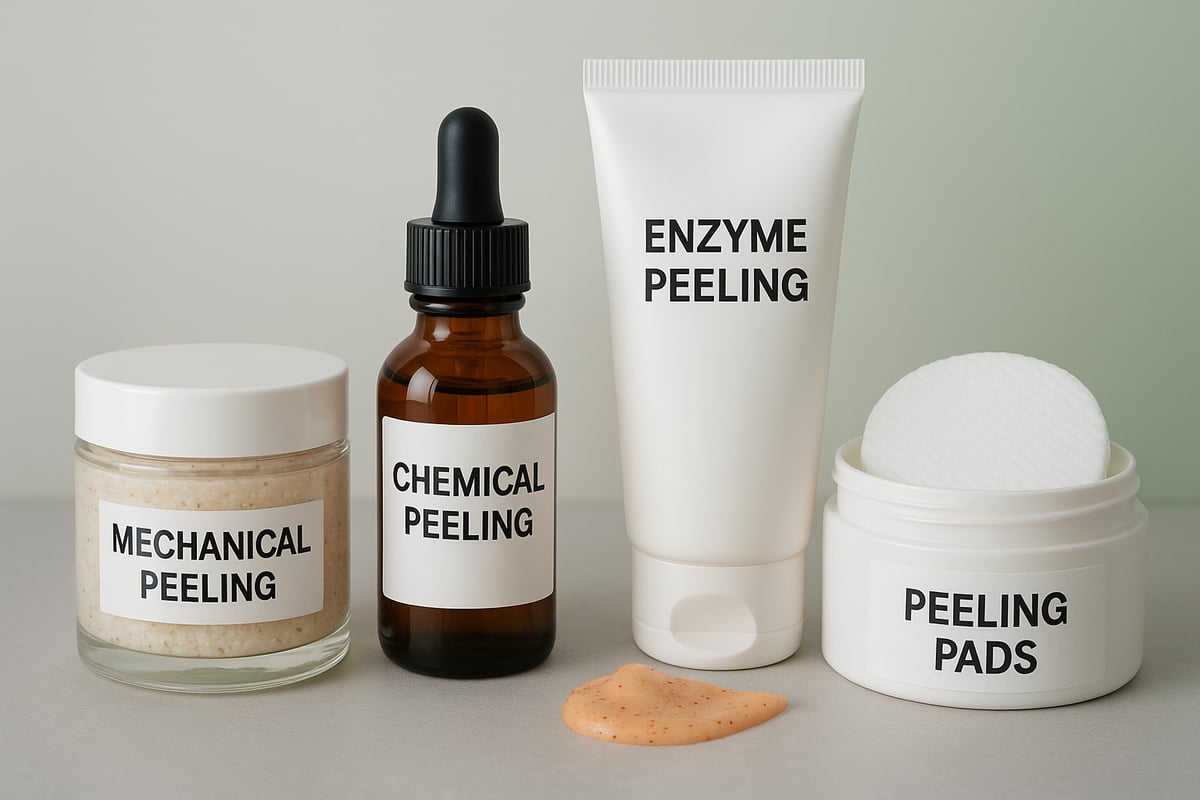
Choosing the right facial peel can be crucial to your skin's health and results. Today, there are several different methods available, from classic grain peeling to advanced acids and multifunctional pads. Below, we guide you through the most common options, so you can find the facial peel that suits your skin and your goals.
Mechanical peeling (grain peeling & scrub)
Mechanical facial peeling is a classic in skincare. It uses small grains or particles, such as sugar, jojoba beads or natural plant-based grains, to remove dead skin cells through physical exfoliation.
- Provides instant softness and a fresh feeling.
- Easy to use at home, often with immediate visible results.
- Suitable for normal to resistant skin, but may be too abrasive for sensitive skin.
According to statistics, 35 percent of users prefer mechanical facial peeling for the direct effect. For best results, massage gently in circular motions and avoid peeling too hard. Keep in mind that excessive use can irritate the skin, especially if you have thin or sensitive skin. Choose peeling with round, soft grains and avoid products with coarse particles.
Mechanical facial peeling is a good choice for those who want quick results, but requires caution and the right technique to avoid damage.
Chemical peeling (AHA, BHA, PHA)
Chemical facial peeling is based on acids that dissolve the bonds between dead skin cells. The most common groups are AHA, BHA and PHA. AHA acids, such as glycolic acid and mandelic acid, are suitable for dry and mature skin. BHA acid, such as salicylic acid, is ideal for oily and impure skin because it penetrates into the pores. PHA acids are milder and suitable for sensitive skin.
Chemical facial peels provide a deeper exfoliation and can improve skin texture, even out skin tone, and prevent blemishes. According to KICKS, BHA products are especially popular with people with acne-prone skin. However, remember to be safe: always follow the product's instructions and start slowly.
If you want to know more about how AHA and PHA acids work, you can read our blog post about Benefits of AHA and PHA . Chemical facial peeling suits many people, but requires precision and proper aftercare for the best effect.
Enzyme peeling
Enzyme peeling is a gentle form of facial peeling that is based on natural enzymes from, for example, papaya, pineapple or pumpkin. These break down dead skin cells without damaging the delicate skin barrier, making enzyme peeling an excellent choice for those with sensitive or thin skin.
- Gentle exfoliation, reduces the risk of irritation.
- Natural ingredients, often organic and plant-based.
- Also suitable for those who want to avoid acids or hard grains.
Examples of popular products include peels with papaya or pumpkin extract, which often receive high ratings in user reviews. Enzyme peels are also easy to use: apply, leave on, and rinse off. For those looking for a gentle but effective facial peel, the enzyme variety is a smart choice, especially for sensitive or reactive skin.
Peeling pads and multifunctional products
Peeling pads and multi-functional products have become increasingly popular in facial exfoliation. Pads are pre-impregnated with exfoliating ingredients and are easy to use. Just swipe over the skin, and you get both cleansing and exfoliation in one step.
- Perfect for quick routines or travel.
- Often contains a combination of acids and nourishing substances.
- Statistics show that 25 percent of new products in 2025 will be pads or multifunctional.
Multifunctional products often combine peeling with a mask or serum, saving time and simplifying the routine. Examples are Skincity Treatment Pads and multi-peelings from leading brands. For those who want simplicity and effectiveness in your facial peeling, these solutions are excellent choices. They are suitable for most skin types and make it easy to maintain a regular exfoliation.
Step-by-Step: How to Do a Facial Peel the Right Way
Getting the most out of your facial peel requires a careful and methodical process. By following these steps, you'll ensure the best possible results, while minimizing the risk of irritation or damage. Let's go through each step in detail.
Preparation before peeling
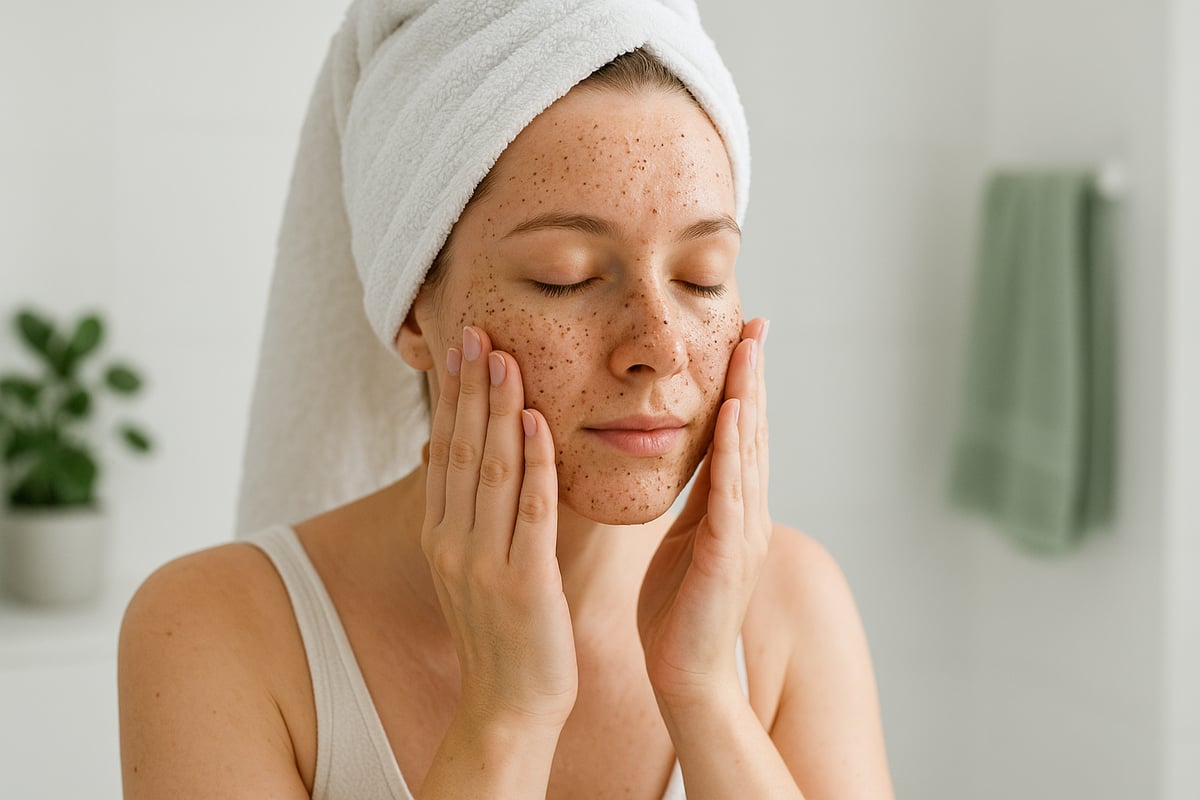
To be successful with your facial peeling, it is important to start with the right preparations. The skin must be clean for the peeling to have an optimal effect.
- Wash your face thoroughly to remove dirt, oil and makeup.
- Use a mild cleanser suited to your skin type.
- Rinse with lukewarm water to open the pores naturally.
- Pat the skin dry with a soft towel.
Avoid performing facial peeling if you have wounds, redness, or ongoing irritation. Sensitive skin can react strongly, so be extra careful when choosing a product and method. Skipping these steps can lead to uneven results and an increased risk of side effects.
Creating a routine around preparation is as important as the facial peel itself. By always starting with a clean base, you lay the foundation for an effective treatment and minimize the risk of unwanted reactions.
The peeling process itself – step by step
Once your skin is prepped, it's time to perform your facial peel. Follow the instructions on your product carefully to avoid over-exfoliating.
- Apply the selected peeling product to dry or slightly damp skin, depending on the recommendation.
- When mechanically exfoliating, gently massage in circular motions with your fingertips. Avoid scrubbing too hard.
- If you are using a chemical or enzyme peel, leave the product on for the time specified on the packaging. Do not exceed the time, as this can irritate the skin.
- Rinse the product thoroughly with cool water. Make sure no residue remains.
- Dry the skin gently by patting with a clean towel, do not rub.
Using the right technique when exfoliating your face will improve results and protect the skin's surface. Remember that different types of peels require different approaches, so adapt the process to the product and skin type. If you experience any discomfort, discontinue treatment immediately.
Aftercare and what to do immediately after peeling
After a facial peel, the skin is extra sensitive and needs immediate care. Moisturizing is essential to restore balance and soothe the skin.
- Apply a moisturizing serum and a nourishing cream immediately after the treatment.
- Avoid products with strong active ingredients, such as retinol or acids, for the first day.
- Always use sunscreen with at least SPF 30 if you are going outdoors, as the skin is more susceptible to UV radiation.
- Choose products specifically developed for sensitive skin, or be inspired by skin care tips for sensitive skin to strengthen the skin barrier.
Statistics show that 80 percent of all irritation after facial peeling is due to poor aftercare. By moisturizing and protecting yourself from the sun, you can both reduce the risk of problems and maximize the effect of your treatment.
Give your skin time to recover between treatments. Let the feeling of fresh and radiant skin be the result of carefully performed facial peeling and proper aftercare.
Customize Facial Peeling According to Your Skin Type
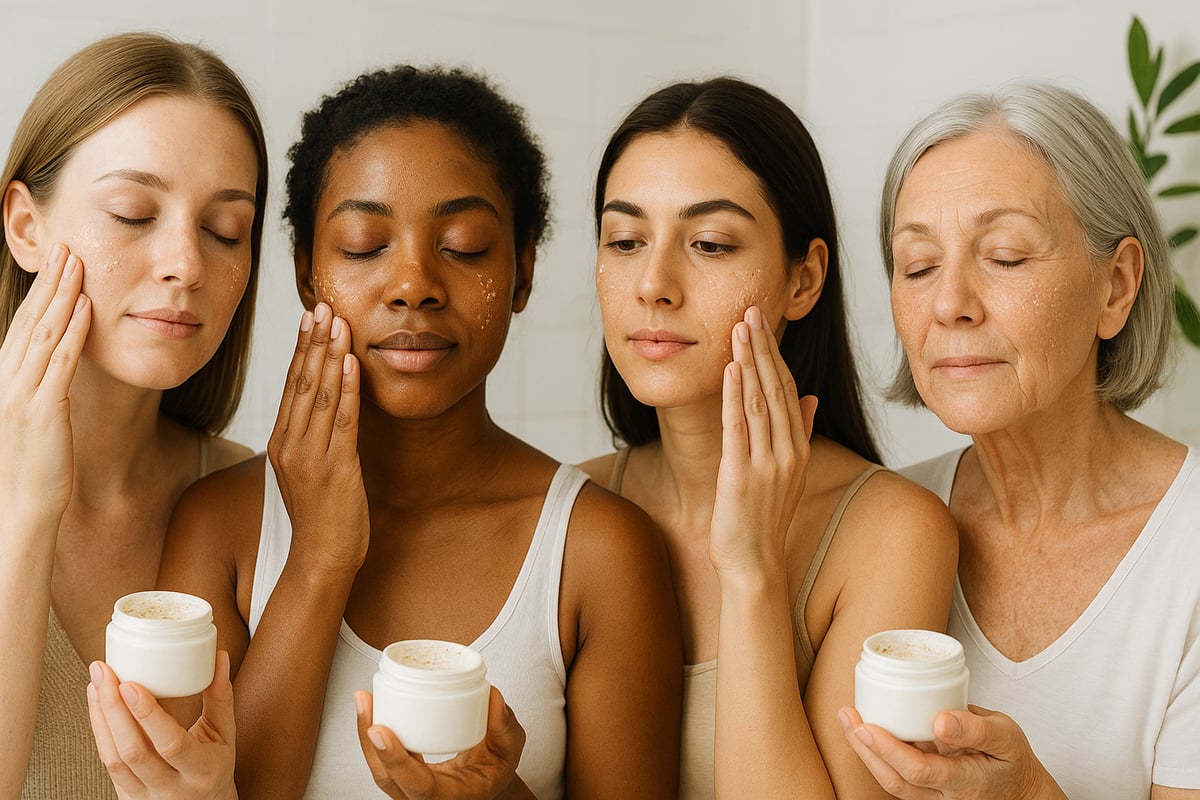
Choosing the right facial peel for your skin type is crucial to achieving the best possible results. Different skin types have unique needs and react differently to exfoliation. Below we guide you in customizing your facial peel for your skin type, so you can achieve a radiant and healthy skin barrier.
Dry and sensitive skin
For those with dry or sensitive skin, it's especially important to choose a gentle facial peel. Opt for enzyme peels or products with PHA acid, as these exfoliate gently without irritating the skin. Avoid harsh grains and strong acids, as these can worsen dryness and sensitivity.
Examples of mild peels include products with papaya or pumpkin enzymes. Keep in mind that facial peeling for this skin type should be done no more than once a week. After peeling, it is important to moisturize the skin properly. Read more about how to take care of your skin in our guide on Tips for dry skin on the face .
- Choose enzyme peel or PHA
- Avoid grains and strong acids
- Exfoliate max 1 time/week
A gentle facial peel gives radiance and reduces the risk of irritation.
Oily and impure skin
Oily and blemished skin often needs a deeper cleanse, which makes BHA acids, such as salicylic acid, an excellent choice. BHA penetrates pores and dissolves sebum, which reduces blackheads and impurities. Mechanical exfoliation can also be used, but avoid overdoing it as it can irritate the skin.
Popular products in 2025 often contain a combination of BHA and soothing ingredients. Facial peeling for this skin type is best done 1 to 2 times per week, depending on the skin's tolerance.
- Use BHA acid for deep cleansing
- Mechanical peeling can complement
- Exfoliate 1–2 times/week
Through regular facial peeling, the skin becomes clearer and the pores less visible.
Normal and combination skin
If you have normal or combination skin, you can adapt your facial exfoliation to the season and your skin's current needs. You can alternate between mechanical and chemical exfoliation, or use multifunctional products that combine several exfoliating agents.
Examples of products are multi-peelings with both grains and acids. Adjust the frequency, usually once a week, but increase or decrease depending on how your skin feels. Remember to always follow the product instructions and moisturize your skin afterwards.
- Vary between mechanical and chemical peeling
- Test multifunctional products
- Adapt to your skin's needs
A balanced facial peeling provides both radiance and a smoother skin texture.
Mature skin and age spots
Mature skin and skin with age spots benefit best from facial peels with AHA acids, such as glycolic acid or mandelic acid. These acids stimulate cell renewal and help even out skin tone and reduce the appearance of fine lines and age spots.
Scientific studies show that AHAs can also increase collagen production, which strengthens the skin over time. For maximum results, supplement with an anti-aging serum after peeling. Adjust the frequency to once a week to start with, and increase if necessary.
- Choose AHA acids for cell renewal
- Combine with anti-aging products
- Exfoliate once a week
Facial peeling adapted for mature skin gives visibly smoother and more youthful skin.
Common Mistakes and How to Avoid Them
Getting the most out of your facial peel requires knowing common pitfalls. Many people make mistakes that can lead to irritation, damage, or reduced effectiveness. Here we look at the most common mistakes and how you can easily avoid them.
Over-exfoliation and skin damage
One of the biggest mistakes when exfoliating your face is using the product too often. Signs of over-exfoliation include redness, stinging, and flaking. Statistics show that 60% of skin irritations can be linked to too frequent exfoliation.
To avoid this, always follow the product's recommendations and start gently. Give your skin time to adjust. If you notice any discomfort, pause the treatment for a few days.
The wrong product for your skin type
Choosing the wrong type of facial peel can create problems, especially for sensitive skin. For example, strong acids may be too powerful if you have thin or reactive skin. Always tailor your choice to your skin's current needs.
Feel how your skin reacts and feel free to switch products if irritation occurs. Remember that different skin types require different exfoliation methods for best results.
Mixing too many active ingredients
Many people believe that more is better, but combining multiple active ingredients after a facial peel can cause rashes and sensitivity. Using acids, retinol, and vitamin C at the same time is especially risky.
Keep your post-peel routine simple. Avoid mixing too many products and give your skin time to recover between treatments.
Not using sunscreen after peeling
After facial peeling, the skin is extra sensitive to UV radiation. Statistics show that 85% of pigment spots after peeling are due to lack of sun protection.
Always apply SPF 30 or higher every day, even on cloudy days. This will protect against sun damage and preserve your skin's radiance.
Skipping hydration
Many people forget that the skin needs to recover after a facial peel. Without sufficient hydration, the risk of irritation increases and the result will be worse. Moisturizing creams and serums help the skin recover.
Studies show that proper hydration improves skin's resilience, which you can read more about in this study on facial cleansers and moisturizers . Always focus on moisturizing immediately after peeling to maintain skin balance.
Trends and Expert Tips for Facial Peeling 2025
The skincare industry is evolving rapidly, and 2025 is no exception. New innovations in facial exfoliation are changing the way we care for our skin. In this section, you’ll get an overview of the hottest trends, sustainable choices, personalized solutions, and expert advice to optimize your facial exfoliation routine.
New ingredients and technologies
In 2025, we see a clear trend towards advanced ingredients in facial peels, such as fruit enzymes, fermented extracts and multifunctional acids. Products often combine AHA, BHA and PHA for a broader effect. One example is Kora Organics Turmeric Brightening & Exfoliating Mask, where several acids work together to provide both radiance and gentle exfoliation.
Research shows that technologies that improve the absorption of active ingredients are becoming increasingly important. Read more about how occlusion techniques can enhance the effectiveness of active ingredients in skincare in this science of face masks in-depth article.
Many products also contain smart delivery systems that encapsulate acids and enzymes for increased stability and effectiveness. This makes facial peeling both gentler and more results-oriented.
Sustainability and natural choices
Sustainability is the focus for facial peels in 2025. Consumers are demanding organic, vegan and cruelty-free products that are kind to both the skin and the environment. Brands like Éclore offer peels without microplastics and synthetic additives, which is appreciated by conscious users.
Plant-based grains, fruit enzymes and natural oils top the list of popular ingredients. Packaging is being designed to be recyclable and reduce the carbon footprint. This trend is making facial peels a more sustainable choice for the future.
According to industry statistics, over half of new products on the market by 2025 will have some form of eco-labeling. This strengthens consumer confidence and drives the development towards greener skincare.
Individualized peeling
Personalization is revolutionizing facial peeling. Digital skin analysis and AI-based recommendations make it easier to choose the right product for each skin type and need. Both skin clinics and online stores offer personalized peeling programs, where ingredients and strength are customized to the customer's unique profile.
Tailored solutions mean that even people with sensitive or problematic skin can benefit from facial peeling, without the increased risk of irritation. The technology behind these services is based on extensive data collection and analysis of the skin's condition.
More consumers now expect their skincare to be as unique as they are, driving innovation in facial exfoliation.
The experts' best advice
Skin therapists and dermatologists emphasize the importance of starting slowly with facial peeling and always listening to your skin's signals. For best results, experts recommend combining exfoliation with hydration and sun protection. Products with a clear ingredient list and documented effectiveness are highlighted as safe choices.
Some expert advice to take with you:
- Introduce new products gradually.
- Avoid mixing too many active ingredients at the same time.
- Adapt your routine to the season and your skin's daily condition.
A conscious approach to facial peeling reduces the risk of irritation and maximizes the long-term benefits.
The facial peel of the future
The future of facial exfoliation is characterized by smart technology and multifunctional products. Apps and digital tools that measure the skin's needs in real time are becoming increasingly common. These help the user optimize both the frequency and type of exfoliation.
Multifunctional products that combine exfoliation, masking and hydration are rapidly growing in popularity. Statistics show that 30 percent of consumers will demand such all-in-one solutions by 2025.
The development means that facial peeling is no longer an isolated part of skincare but is integrated into a whole where technology, ingredients and sustainability work together for optimal skin health.
Now that you know how the right facial peel can transform your skin and have received expert tips on how to avoid common mistakes, you are ready to take the next step towards radiant skin. If you are looking for natural peeling products with carefully selected ingredients and want to prioritize both results and sustainability, I recommend that you explore the Éclore range. Here you will find peels suitable for all skin types, free from harmful additives and made with care in Europe. Let your skin get the care it deserves – See our range