Discover the secret to radiant skin – acids like aha pha are taking skincare to the next level and becoming one of the biggest trends of 2025. This guide will give you all the knowledge you need to understand how these acids work, why they are so effective and how you can easily integrate them into your own routine.
We'll guide you step-by-step through the basics, help you choose the right acid for your skin type, and show you how to avoid common mistakes. Want healthier, smoother, and more radiant skin? Let us inspire you with expert tips and product recommendations, so you can confidently take control of your skin health.
What are AHA and PHA? The Basics for 2025
Understanding the basics of aha pha is crucial to creating an effective and safe skincare routine for 2025. Two of the most sought-after ingredients on the market are AHA and PHA, both known for their unique exfoliating properties but with different target groups and effects.
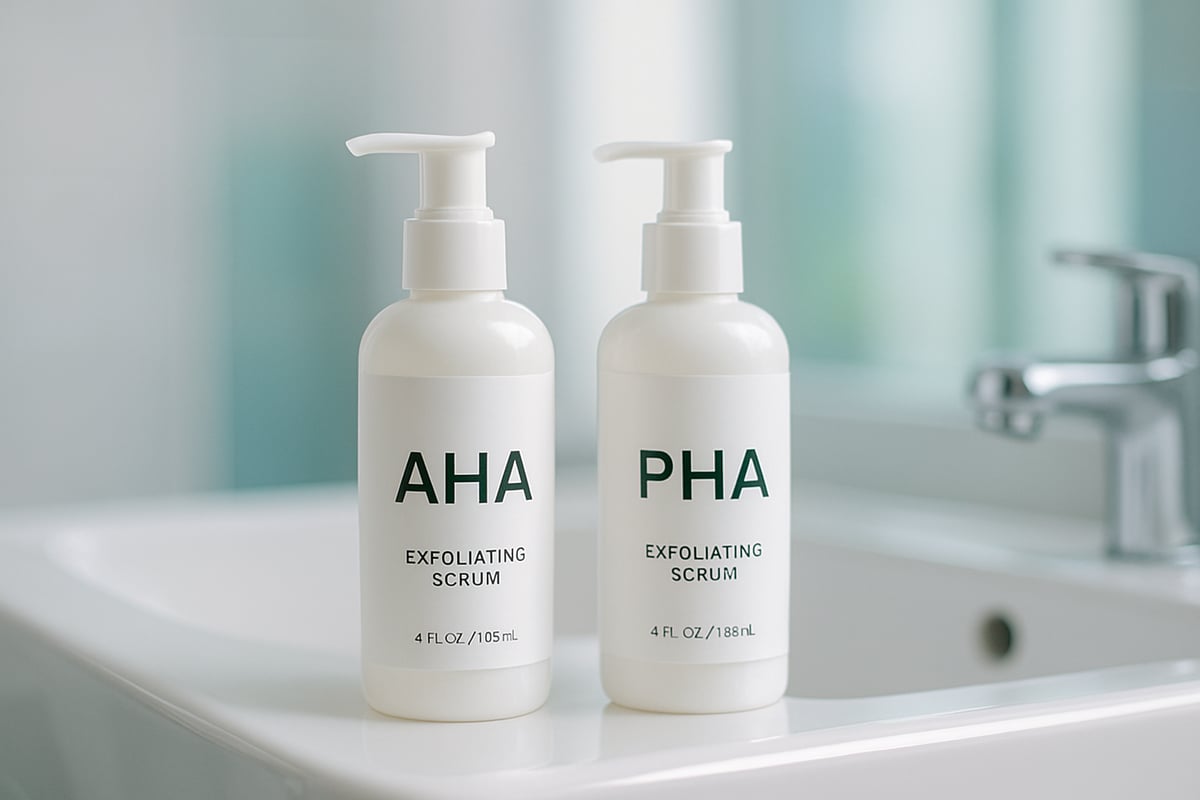
AHA acid: Properties and effects
AHA, or Alpha Hydroxy Acid, is a water-soluble acid that has become a key player in many skincare routines. AHA pha has a documented exfoliating effect, meaning it effectively removes dead skin cells from the skin's surface and stimulates cell renewal.
Common forms of AHA include:
- Glycolic acid (from sugar cane), most potent for radiance and texture.
- Lactic acid (from milk or plants), milder and moisturizing.
- Mandelic acid (from bitter almonds), suitable for more sensitive skin types.
These acids provide:
- More radiance and more even skin tone
- Reduced fine lines and pigment spots
- Improved skin texture
AHA products are particularly suitable for dry, mature or sun-damaged skin. Statistics from KICKS show that sales of products with AHA increased by 30 percent in 2023. Examples of popular products include Pixi Glow Tonic and The Ordinary AHA 30% + BHA 2% Peeling Solution.
PHA Acid: The Gentle Power
PHA, or Poly Hydroxy Acid, is a newer generation of acid in skincare that offers a gentler yet effective exfoliation. Due to its larger molecular size, PHA penetrates the skin more slowly, making AHA PHA an excellent choice for those with sensitive skin or rosacea.
The most common forms of PHA are:
- Gluconolactone
- Lactobionic acid
These acids:
- Gently exfoliates the skin
- Binds moisture and strengthens the skin barrier
- Has antioxidant properties
PHA is suitable for daily use and can be used by people who cannot tolerate traditional acids. Statistics from Apoteket show that PHA products are increasing in popularity, especially among sensitive skin types. Examples of products include Exuviance Radiance Serum and The INKEY List PHA Toner. By choosing an aha pha-based product with PHA, you get an effective but gentle skin care solution.
Differences between AHA and PHA
AHA pha differ mainly in molecular size and effect on the skin. AHA has smaller molecules and provides a more intense exfoliation, which can mean an increased risk of irritation in sensitive people. PHA has larger molecules, which results in gentler and slower penetration and less risk of redness.
Table: Comparison between AHA and PHA
| Property | AH | PHA |
|---|---|---|
| Molecular size | Less | Major |
| Exfoliation level | Higher | Milder |
| Best suited for | Dry, ripe | Sensitive, rosacea |
| Risk of irritation | Higher | Low |
So who should choose which acid? If you have dry, pigmented or mature skin, AHA may be right for you. For sensitivity, rosacea or daily use, PHA is recommended. Scientific insights and current trends for 2025 show that both acids have a clear place in modern skincare. For an even deeper understanding, please see this comprehensive guide on AHA and PHA in skincare .
How to Choose the Right Acid for Your Skin Type
Choosing the right acid for your skincare routine is crucial to getting the most out of aha pha and avoiding unnecessary reactions. By understanding your own skin type and tailoring your acid choice to its needs, you can take the next step towards healthier, more radiant skin.
Skin types and needs
To find the best aha pha solution, start by identifying your skin type. Is your skin dry, oily, combination, sensitive or mature? Each skin type has unique needs and reacts differently to acids. For example, AHA acids are great for dry or mature skin, where they help to increase radiance and even out skin tone. Glycolic acid and lactic acid are popular options that effectively exfoliate and reduce age spots.
However, if you have sensitive skin, rosacea, or are prone to redness, PHA acids are a better choice. They have larger molecules and are gentler, which reduces the risk of irritation. Many people with sensitive skin experience improved texture and less redness after regular use of PHA. Statistics show that 60% of users see visibly improved skin texture after four weeks of using the right acid.
Are you faced with the choice between AHA and PHA? Then it may be wise to read expert recommendations and product lists adapted for sensitive skin, for example at Skincare for sensitive skin . Remember to combine skin type, skin problems and desired effect when choosing aha pha.
Safety aspects and precautions
Safety is key when incorporating aha pha into your routine. Always start with a patch test on a small area of skin to detect any reactions. Increase usage gradually, especially if you are a beginner. Common side effects such as mild redness or tingling are often temporary, but severe peeling or burning may be a sign of over-exfoliation.
Sun protection is a must when using acids, as aha pha makes the skin more sensitive to UV radiation. Always apply SPF 30 or higher during the day, regardless of the season. Avoid mixing multiple acids at the same time at first, as this can increase the risk of irritation and damage the skin barrier.
Listen to your skin and adjust the frequency if necessary. Please consult your dermatologist or pharmacist if you are unsure how to introduce aha pha. Remember: Your skin is unique and needs time to adapt to new ingredients.
Natural acids and sustainable skincare
Interest in natural aha pha products is growing rapidly. Many acids are extracted from plants and fruits, which provide gentle but effective exfoliation. Organic and sustainable alternatives are gentle on both the skin and the environment. Products that use natural acids are often free of synthetic additives and are also suitable for sensitive skin.
Éclore's natural acid facial care combines quality with environmental consideration, and is manufactured in Europe. You get effective skin renewal without compromising on sustainability. Natural aha pha products are a smart choice for those who want results and at the same time value a greener skincare routine.
Step-by-Step: Build Your Perfect Skincare Routine with AHA & PHA
Creating an effective aha pha skincare routine requires structure and patience. Here's a step-by-step guide to help you maximize results and minimize the risk of irritation. Regardless of your skin type, it's important to follow each step carefully and tailor your routine to your skin's needs.
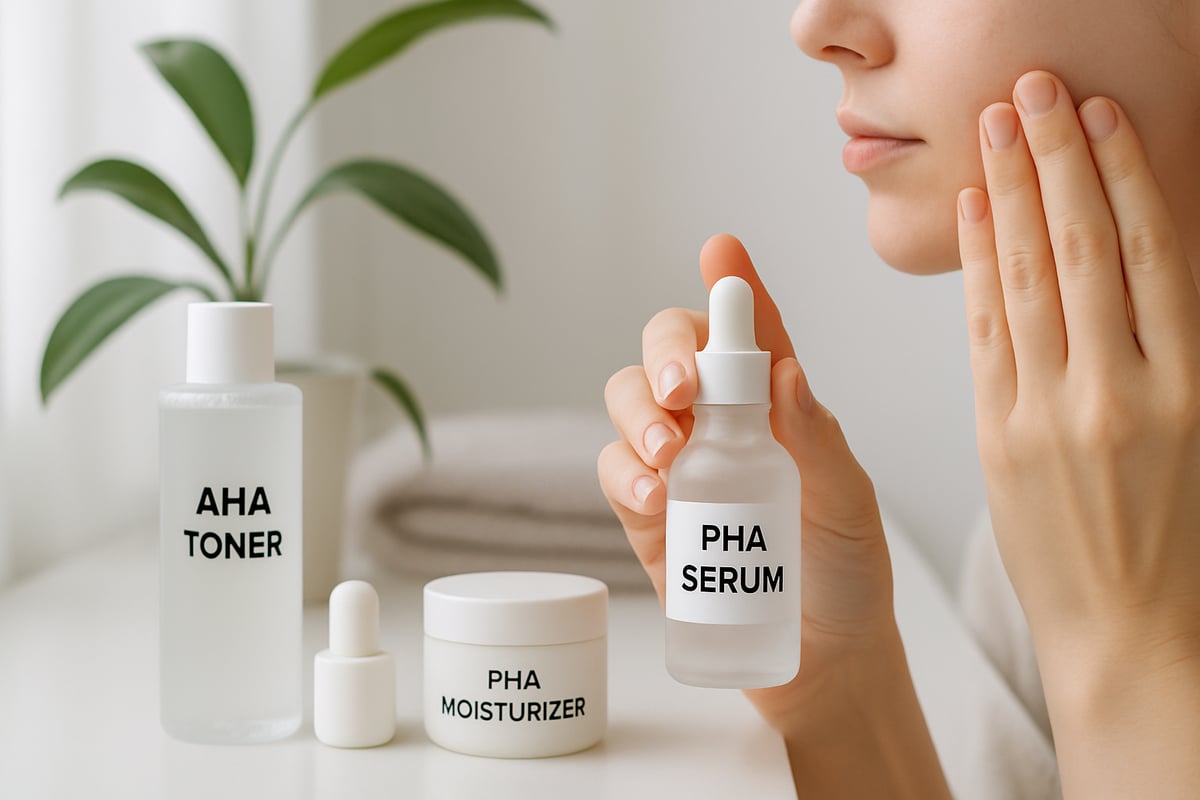
Step 1: Cleaning and preparation
Always start your aha pha routine with a gentle cleanser. Choose a product that removes dirt and makeup without drying out the skin or disrupting the skin barrier. Avoid harsh soaps and cleansers with alcohol, as they can make the skin more sensitive to acids.
An example of a gentle cleanser is Exuviance Gentle Cream Cleanser, which preserves the skin's natural moisture balance. After cleansing, pat the skin dry with a soft towel. Always apply acid products to completely dry skin to ensure even effect and reduce the risk of irritation.
Properly preparing your skin is essential for the best results from your aha pha routine. This first step creates a clean and balanced foundation for subsequent treatments.
Step 2: Apply the acid product correctly
Once your skin is clean and dry, it's time to apply your aha pha product. Choose between serums, toners or pads depending on your preference and skin type. For beginners, it is recommended to start with application 2-3 times a week and then gradually increase as needed.
A small amount goes a long way. Avoid applying to sensitive areas like around the eyes and mouth. Popular products include Pixi Glow Tonic (AHA) and The INKEY List PHA Toner (PHA). Allow the product to absorb completely before moving on to the next step.
To find the right product for your skin type and needs, explore facial peels with acids , which feature a variety of AHA PHA options. This makes it easier to tailor your routine and avoid common mistakes like over-exfoliating.
Step 3: Hydration and protection
After exfoliating with aha pha, it's important to moisturize your skin properly. Choose a cream that contains ingredients like hyaluronic acid, ceramides, or panthenol to strengthen the skin barrier and lock in moisture.
Don't forget sunscreen, as acids increase the skin's sensitivity to UV radiation. Always use SPF 30 or higher every day, regardless of the season. Examples of moisturizing products are LUUV Super Glow Day Cream and Apoteket Djupintensiv Nattcreme.
Statistics show that 80 percent of all irritation from acid use is due to a lack of hydration or sun protection, so a carefully selected moisturizer and daily SPF are essential in your aha pha routine.
Step 4: Adjust to your skin's response
Listen to your skin when using aha pha. If you notice redness, irritation, or peeling, reduce the frequency or switch to a milder acid. It's normal to feel a slight stinging sensation the first few times, but severe burning or prolonged redness are signs of over-exfoliation.
Always introduce one new acid at a time and give your skin time to adjust. Sometimes it can be wise to switch between AHA and PHA depending on how your skin reacts. Please consult a dermatologist if you are unsure how to adjust your aha pha routine.
Adapting your routine to your skin's signals is the key to long-term results and balanced skin.
Step 5: Long-term strategy and skin health
For your aha pha routine to produce lasting results, patience and consistency are required. Build your skin's tolerance by gradually increasing strength or frequency. Document changes with before and after photos or a skin journal to track progress.
Be aware of seasonal variations, hormones and lifestyle that can affect your skin's needs. Pause or switch products if your skin feels overloaded or you don't see the desired effect.
Taking care of your skin with care and adapting your aha pha routine over time will help you maintain healthy, radiant skin all year round.
Common Mistakes and How to Avoid Them
Using aha pha in your skincare routine can yield amazing results, but it's easy to stumble upon some common mistakes. By recognizing the pitfalls below, you can protect your skin and get the most out of your treatment.
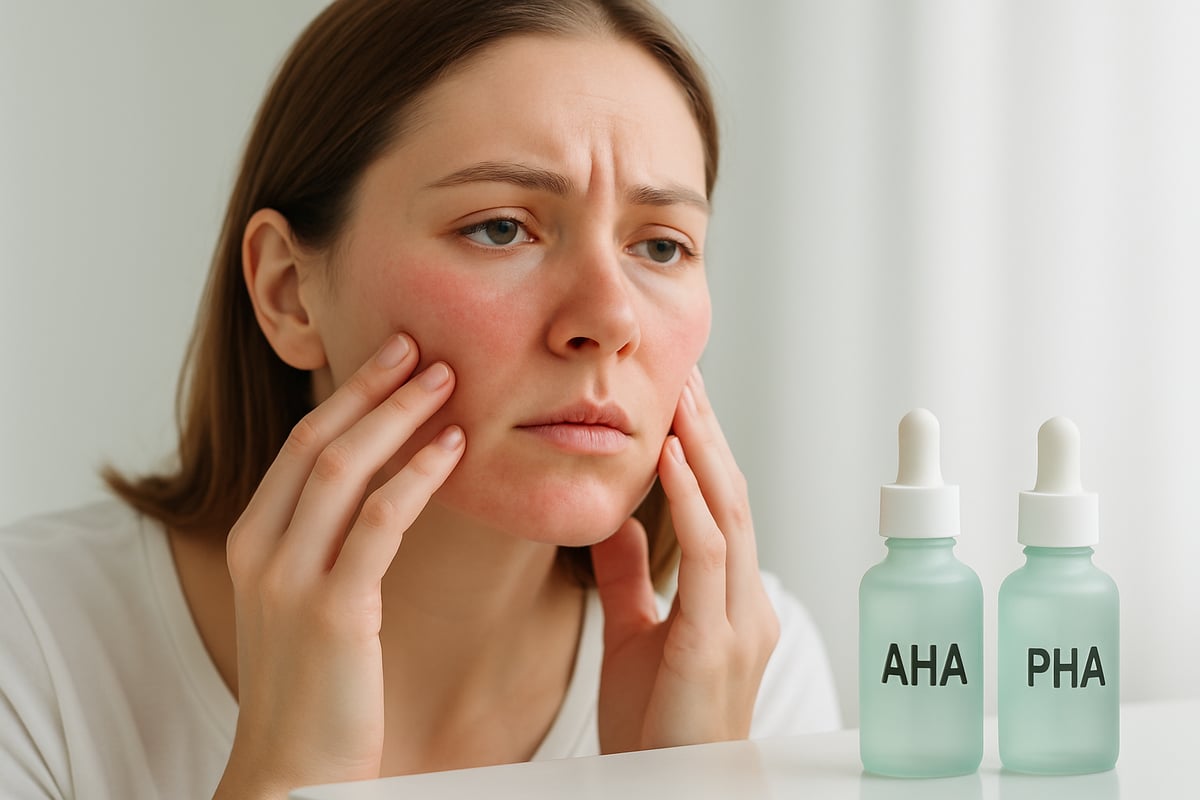
Over-exfoliation and skin barrier damage
One of the most common pitfalls of AHA PHA is over-exfoliation. Symptoms include redness, stinging, peeling, and sometimes occasional breakouts. These signs indicate that the skin barrier has been weakened, making the skin more sensitive to external aggressors.
- Redness and irritation
- Scaling and tightness
- Increased sensitivity to products
To avoid this, start with aha pha no more than two to three times per week if you are a beginner. Do not combine several acids at the same time, and give your skin time to get used to it. Statistics show that 25% of users experience irritation with too frequent use. Take breaks and listen to your skin if discomfort occurs.
Incorrect combination with other ingredients
Mixing AHAs with certain active ingredients may increase the risk of irritation or reduce the effectiveness of the treatment. Avoid using strong exfoliants, high doses of vitamin C, or retinol at the same time as acids, especially if you are new to chemical exfoliation.
- Don't combine retinol and acids in the same routine
- Separate vitamin C and aha pha at different times of the day
- Avoid using multiple exfoliating products at the same time.
If you are unsure, introduce new ingredients gradually and monitor your skin's reactions. A structured approach will minimize the risk of adverse effects and help you get the most out of aha pha.
Ignoring sunscreen and hydration
A common mistake when using aha pha is to underestimate the importance of sun protection and hydration. Acids make the skin more sensitive to the sun's UV rays, which increases the risk of pigment spots and premature aging.
- Always apply SPF 30 or higher every day
- Moisturize the skin properly after acid treatment
- Avoid direct sunlight during intensive treatments.
Studies show that 80% of skin irritation associated with acids is due to lack of hydration or sun protection. A good routine protects the skin and enhances the effect of AHA PHA.
Misunderstandings about "purging" and reactions
Purging is a term that is often misunderstood when it comes to aha pha. It means that the skin may react with temporary breakouts as cell turnover increases. This is usually temporary and lasts for a few weeks. However, if you experience severe redness, swelling or discomfort, you should stop using the product.
- Purging usually lasts 2–4 weeks
- Allergic reactions are uncommon but require immediate discontinuation
- Tingling that goes away quickly is usually harmless.
Want to learn more about acid treatment mistakes and advanced strategies? Visit our Skin Care Blog for in-depth guides on aha pha and skin health.
Expert Tips & Advanced Strategies for Acids in Skincare 2025
Understanding advanced strategies around aha pha can take your skincare routine to the next level. By combining the right acids, adapting to the season, and integrating other active ingredients, you can maximize the effect while protecting the skin's balance.
Combine AHA and PHA smartly
Combining AHA and PHA can have a broader effect on skin texture and radiance. AHA acids such as glycolic acid provide deeper exfoliation, while PHA acids are gentler and more hydrating. A popular strategy is to use products that contain both acids, such as SKIN TREAT 10 MIN AHA + BHA + PHA Face Mask. This type of product provides both effective exfoliation and minimized irritation.
To avoid over-exfoliation, start by using aha pha max twice a week and observe your skin's response. For sensitive skin, it is recommended to start with PHA and gradually introduce AHA. Statistics show that 40% of advanced users combine acids in their routine, but most do so under supervision or with product-specific instructions.
The combination of aha pha is best suited for normal, resistant or combination skin. If you have very sensitive skin or are a beginner, you should avoid mixing multiple acids until your skin gets used to it.
Adapt your routine to the season and skin condition
Your skin changes with the seasons, and your use of AHAs should also be adjusted. During the winter, skin can feel tired and dull, making AHAs extra effective at restoring radiance. In the summer, it's wise to prioritize PHAs, as they are milder and suitable for skin that is exposed to more sun.
If your skin is stressed, ill or affected by hormones, it may be a good idea to reduce the frequency of aha pha. On occasions when your skin feels irritated or extra sensitive, pause acids and focus on moisturizing and soothing products.
Integrate acids with other active ingredients
For maximum effect, combine AHA PHA with other active ingredients such as niacinamide, peptides and hyaluronic acid. These ingredients strengthen the skin barrier and provide additional benefits such as more even skin tone and improved elasticity.
Avoid using retinol at the same time as a AHA PHA if you are a beginner, as the combination can cause irritation. A layered approach, where you apply acids first and then a hydrating serum, is often most effective. Many dermatologists recommend separating acids and other strong actives into different routines, such as morning and night.
Future trends in acid-based skincare
Looking ahead to 2025, we see a clear trend towards natural and sustainable products within aha pha. Consumers are demanding multifunctional solutions that combine exfoliation, hydration and protection. Personalized acid solutions, based on AI and skin analysis, are also becoming increasingly common.
According to industry reports on Skincare Trends 2025, over half of consumers prioritize eco-friendly ingredients when choosing products with aha pha. Examples of brands that meet these requirements include Éclore and others that focus on organic acids and recyclable packaging.
In conclusion, the future of aha pha is both innovative and sustainable. By staying up to date on trends, choosing the right products, and adapting your routine to your skin's needs, you can create an effective and gentle skincare routine.
Product Recommendations and Reviews: Best in Test 2025
Choosing the right products is crucial to getting the most out of your aha pha routine. Here are the most recommended products of 2025, both in terms of effectiveness, safety and sustainability. Whether you're a beginner or an advanced user, there's an option to suit your needs.
Top List: Best AHA Products
AHA products are known for their ability to quickly improve skin's radiance and texture. Here are some of the most popular options for your AHA routine in 2025:
| Product | Benefits | Price (approx.) | Suitable for skin type |
|---|---|---|---|
| Pixi Glow Tonic | Radiant, even skin tone | 249 kr | Everyone, especially the glum one |
| The Ordinary AHA 30% + BHA 2% Peeling Solution | Deep exfoliation, pigment | 119 kr | Mature, durable, acne-prone |
| Dermalogica Skin Resurfacing Cleanser | Daily exfoliation, softness | 449 kr | Dry, ripe |
| Apoliva Passion & Nature Paris body scrub | Body scrub, natural oils | 99 kr | Everyone, body |
AHA acids have been proven effective according to scientific studies on AHA , which confirm their positive effect on skin renewal and brightness. Remember to always follow the instructions to avoid irritation, especially at higher concentrations.
Top List: Best PHA Products
PHA products are perfect for those who want a gentle, yet effective, exfoliation in their aha pha routine. They are especially popular with people with sensitive skin.
| Product | Benefits | Price (approx.) | Suitable for skin type |
|---|---|---|---|
| Exuviance Radiance Serum | Gentle, daily use | 499 kr | Sensitive, reactive |
| The INKEY List PHA Toner | Exfoliation, hydration | 129 kr | Everyone, especially sensitive |
| BeautyAct 5% PHA + 15% Glycerin Hydrating Cream | Moisture, protection | 249 kr | Dry, sensitive |
| Medik8 Press & Glow Facial Toner | Innovative, even skin tone | 399 kr | All, including rosacea |
For those with sensitive skin, PHA acids may be a better choice. Read more about the benefits in this expert analysis on PHA acids and sensitive skin to find the right path for your skin.
Products with natural acids and a sustainable profile
If sustainability is important to you, there are several natural acid options for your aha pha routine. These products are often organic, vegan, and come in eco-friendly packaging.
- LUUV Super Glow Day Cream : Natural AHA from fruit, provides radiance and hydration.
- Éclore facial care : Organic acids, free from synthetic additives, made in Europe.
- Berrichi and Magrada Organic Cosmetics : Vegan, organic, suitable for sensitive skin.
These options contribute to healthy skin and a better environmental choice. Natural acids are especially suitable for those who want a gentle but effective exfoliation, while prioritizing sustainability.
How to interpret the ingredient list and choose the right one
Understanding the ingredients is crucial when choosing products with AHA PHA. Look for clear names like glycolic acid (AHA) or gluconolactone (PHA) in the INCI list. Clear percentages give you better control over the results.
Choose products with certifications like ECOCERT or COSMOS for extra peace of mind. Avoid unnecessary additives like alcohol and synthetic fragrances, especially if you have sensitive skin. Simple ingredient lists make it easier to combine multiple products in your routine.
FAQ: Frequently Asked Questions about AHA & PHA 2025
Navigating the jungle of acids can feel overwhelming, especially with all the new trends for aha pha 2025. Here you will find the answers to the most common questions for choosing and using acids correctly.
Can aha pha be used at the same time?
Yes, it is possible to combine AHA and PHA in the same routine, but it requires caution. For beginners, it is recommended to start with one acid and gradually introduce the other. Advanced users can use both, but preferably on different days or in different stages to avoid irritation.
How quickly do you see results from acids?
Many people notice improvements in their skin's radiance and texture after 2-4 weeks of regular use of aha pha. For some skin concerns like age spots or fine lines, it can take up to 12 weeks before you see noticeable changes. Patience and a consistent routine are key.
Are AHAs safe for all skin types?
Most skin types can use aha pha, but sensitive skin should choose PHA first. People with active rosacea, eczema or very thin skin should consult a dermatologist before starting. Always test on a small area first to avoid unwanted reactions.
How often should you use acid products?
Aha pha can be used anywhere from 1-3 times per week to daily depending on skin tolerance and the strength of the acid product. Beginners should start slowly and gradually increase the frequency. Listen to your skin and adjust your routine as needed.
What do you do in case of irritation or an allergic reaction?
Discontinue use of aha pha if severe redness, burning or swelling occurs. Rinse skin with water and apply moisturizing, soothing cream. If there are signs of allergy, contact your healthcare provider. Wait until your skin has recovered before resuming acid treatment.
Can acids be used during pregnancy and breastfeeding?
Many experts believe that PHA is a safer choice than AHA during pregnancy. Avoid high concentrations and choose gentle products. Always read the packaging and consult your midwife or doctor if you are unsure which AHA PHA products are safe.
How do acids affect other skincare ingredients?
Aha pha works well with moisturizers like hyaluronic acid and ceramides. Avoid combining with retinol or strong vitamin C at the same time, as the risk of irritation increases. Separate active ingredients into different routines, such as morning and evening.
Are natural acids as effective as synthetic ones?
Natural acids from fruits and plants can provide gentle but effective exfoliation. Synthetic varieties are often more concentrated and provide faster results, but many prefer natural alternatives for sensitive skin and the environment. Read more about natural glow without makeup and how acids can contribute to a fresh skin tone.
Tips for introducing acids into your skincare routine for beginners:
- Start with low concentration and increase gradually.
- Test on a small area of skin first.
- Always use sunscreen during the day.
- Combine with moisturizing products.
Myths and facts about acids in skincare
| Myth | Truth |
|---|---|
| Acids always thin the skin | Proper use strengthens and renews the skin |
| You always get “purging” of acids | Not everyone gets a cleanse, and it's often temporary. |
| Natural acids are ineffective | They can be just as effective with regular use |
| Aha pha can be used at any time | Best effect in the evening, always with SPF during the day |
Understanding the difference between myth and fact will help you use aha pha safely and effectively. Tailor your routine to your skin type and follow expert advice for the best possible results.
Now that you have a clear picture of how AHAs and PHAs work, and how you can adapt your skincare routine step by step to achieve long-lasting results, you may be curious about which products actually make a difference. I know how important it is to choose skincare with care – especially if you value natural ingredients, quality and sustainability. If you want to see which options suit your skin type and take the next step towards balanced and radiant skin, I recommend that you View our range