Are you frustrated by acne that just won't go away, despite countless attempts with different products? You're not alone. Statistics show that over 80% of young adults are affected by acne at some point in their lives, which can affect both self-confidence and everyday life.
This guide is designed for those who want to understand why acne occurs, how to treat it effectively, and which natural ingredients can help soothe and balance skin without unnecessary chemicals. We'll cover the latest research, proven strategies, lifestyle changes, and how to build a daily routine for clearer skin.
Want to take control of your skin health in 2025? Read on and discover the path to healthier, clearer skin.
What is Acne? Facts, Myths and Statistics
Understanding acne is the first step towards clearer skin. Despite its commonness, there are many misconceptions and questions about what acne really is, its causes and how it affects us deeply. Here's a rundown of facts, myths and statistics to give you a solid foundation.
Definition and different types of acne
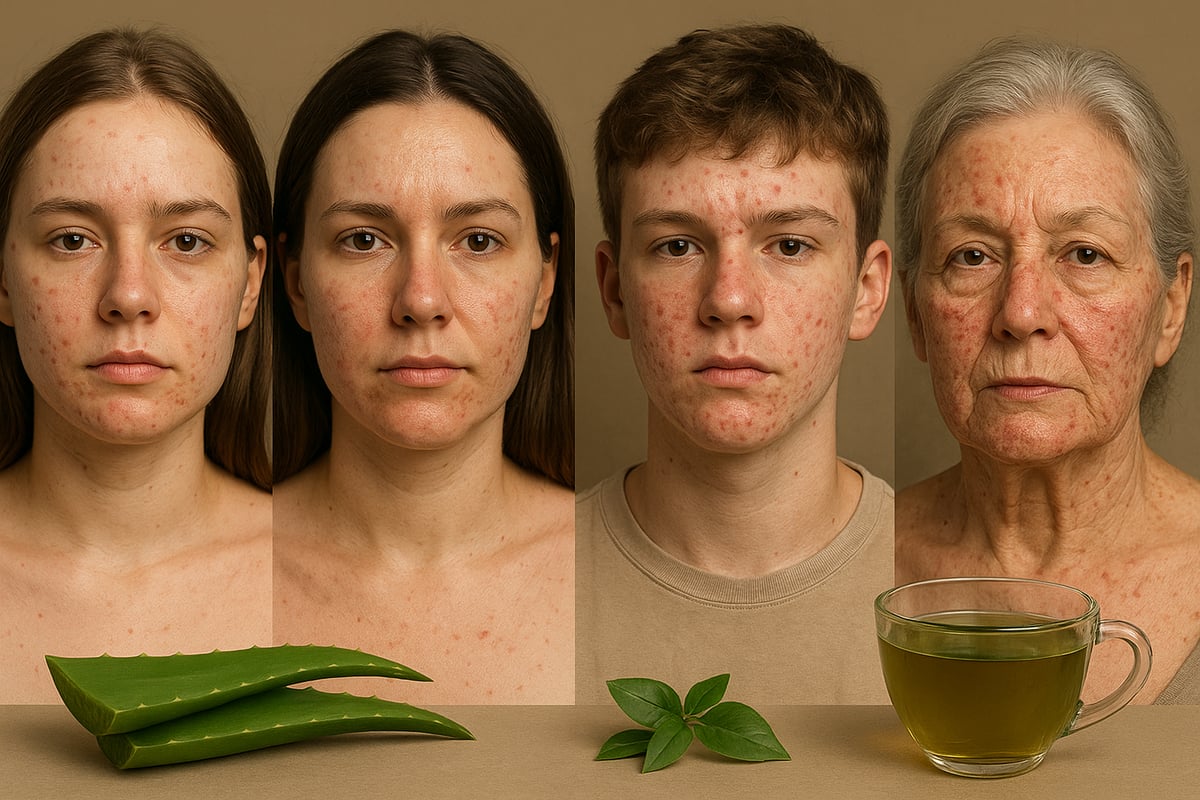
Acne is an inflammatory skin condition that occurs when the sebaceous glands become clogged with sebum and dead skin cells. There are several forms: acne vulgaris is the most common and often affects teenagers, while cystic acne involves deep, painful inflammation. Hormonal acne occurs mainly during hormonal fluctuations, such as during the menstrual cycle or pregnancy. Adult acne is increasing in women over 25 years of age and differs from teenage acne in being more localized around the jawline.
Acne is divided into different lesion types:
- Comedones (blackheads)
- Papules (red raised rashes)
- Pustules (pus-filled rashes)
- Nodules and cysts (deep lumps)
Correctly identifying your acne will help you choose the right treatment and prevent scarring.
Common myths about acne
There are many myths about acne that make it difficult to know what actually helps. A common misconception is that acne is caused by poor hygiene, but in fact, too much washing can irritate the skin and worsen the condition. Another myth is that chocolate and fatty foods directly lead to acne. Research shows that diet can affect the skin, but the connection is more complex than that.
Stress and hormonal changes have a bigger impact on acne than external dirt. Natural products with ingredients like tea tree oil and aloe vera can also help soothe the skin and reduce inflammation without irritating it. Therefore, choosing the right products is crucial to avoid aggravating acne.
Statistics and impact on quality of life
Acne is one of the world's most common skin diseases, affecting approximately 85% of young adults globally, according to the WHO. But acne is not just a cosmetic problem, but can also affect self-confidence, cause anxiety and lead to social isolation. Studies show that people with acne often experience a reduced quality of life and sometimes mental health problems.
According to Acne: Causes, Symptoms, and Treatment, proper diagnosis and treatment can make a big difference to both your skin and your mental well-being. Tackling acne early can therefore improve the future of both your skin and your self-esteem.
Causes and risk factors
Acne occurs due to several interacting factors. Hormonal changes are a major cause, especially during puberty, the menstrual cycle and pregnancy. Genetics also play a significant role, so if you have close relatives with acne, you are more likely to suffer from it yourself. Environmental factors such as air pollution and climate can worsen acne, as can certain medications and inappropriate skin care products.
Diet and lifestyle also play a role. Fast carbohydrates and high sugar intake have been linked to increased acne, while an anti-inflammatory diet and natural products can have positive effects. Choosing skin care with natural ingredients reduces the risk of irritation and strengthens the skin's protection against external stressors.
Step 1: Identify Your Acne Type and Root Cause
Understanding what type of acne you have is crucial to choosing the right treatment and increasing your chances of clearer skin. Many people wonder when it’s time to seek professional help and what factors actually affect the condition of their skin. With today’s technological advances, there are also new tools to analyze and understand your skin.
Self-diagnosis and when to seek help
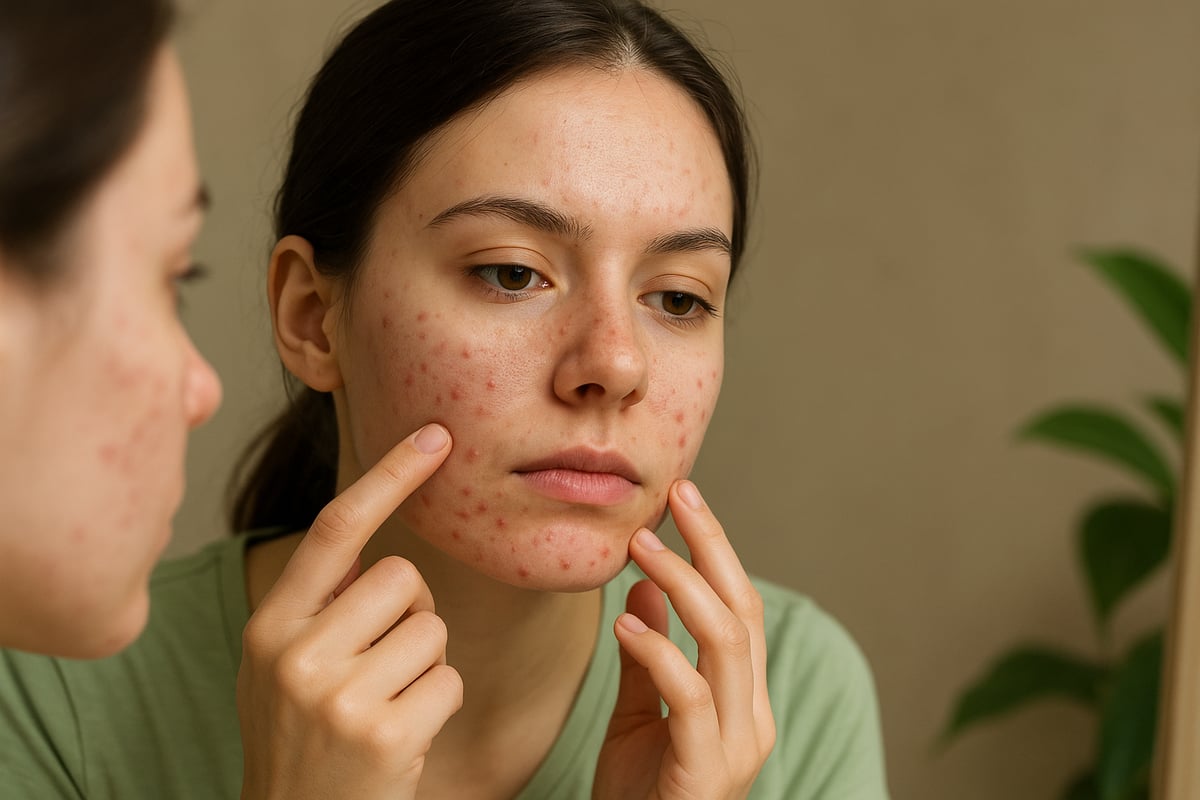
The first step towards mastering acne is learning to recognize its different forms. Typical signs include blackheads, red bumps, pus-filled pimples and sometimes deeper, tender nodules. If you notice that acne is leading to scarring, affecting your self-esteem or if the symptoms do not improve despite self-care, it is wise to seek professional help.
Pay special attention to rapid worsening, painful breakouts, or if acne is affecting your mental health. Early intervention can prevent scarring and long-term problems. Identifying your acne type can also help you determine if natural ingredients, like tea tree oil and aloe vera, can be a gentle alternative to your skincare routine.
Common triggers
Acne is affected by several triggers. Hormonal fluctuations during puberty and menstruation are common causes, as are stress and lack of sleep. Improper skin care, such as using comedogenic products, can worsen the situation.
Diet also plays a role. Some people notice a worsening of acne when consuming a lot of sugar or dairy products. Natural products with anti-inflammatory ingredients can help balance the skin and reduce irritation. Identifying and understanding your personal triggers is an important step towards long-term results.
The importance of professional advice
Although many people try to treat acne on their own, only a minority seek help in a timely manner. Professional advice from a dermatologist or skin specialist is especially important in cases of severe acne, scarring, or when over-the-counter products fail to work. An expert can identify your skin type, suggest effective treatment options, and recommend both medical and natural solutions.
If you want to delve deeper into the subject, there is more information at Acne - causes, symptoms and treatment , where you can read about different treatment options and when it is time to seek help. Professional guidance increases the chances of the right treatment and lasting results.
Skin analysis and technical aids 2025
Technology has made it easier than ever to understand and treat acne. Digital skin analyzers and AI-based apps can now analyze images of your skin and provide personalized recommendations. These tools help identify both the type of acne and possible causes, making it easier to choose the right products and treatments.
Many apps also offer tracking over time, so you can see how your skin reacts to different routines. Combine technology with natural ingredients to create a balanced and effective acne strategy.
Step 2: Effective Treatment Methods – From Over-the-Counter to Advanced
Finding the right acne treatment can be a challenge. The range in 2025 is greater than ever, with both classic and new innovative methods. The choice should always be based on the type of acne, severity and personal needs. Here we review the most effective options, from over-the-counter to advanced technology.
Topical treatments and over-the-counter products
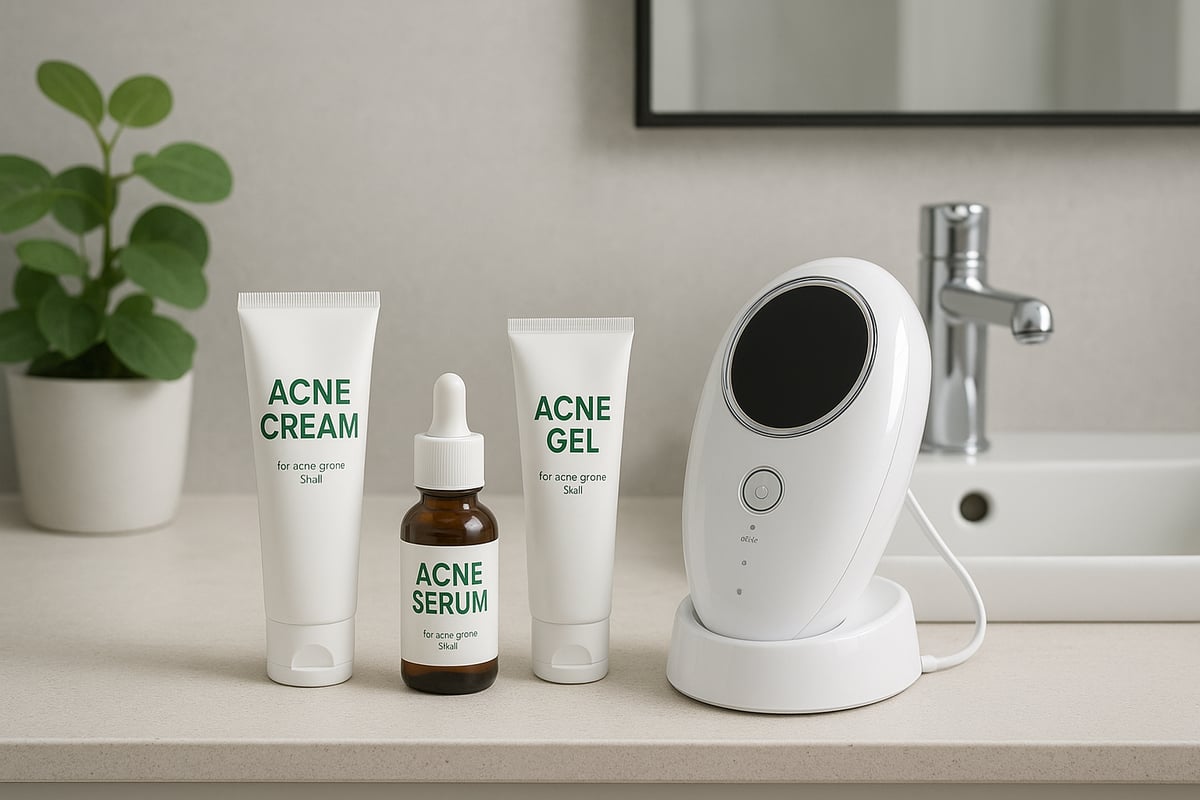
Over-the-counter products are often the first step in treating acne. The most common active ingredients include benzoyl peroxide, salicylic acid, and retinoids. By 2025, we'll also see ingredients like postbiotics, niacinamide, and adaptogens hitting the shelves.
Combinations of these ingredients can provide faster results. For example, a cleanser with salicylic acid can be followed by a light gel with niacinamide. Research shows that the correct use of over-the-counter products reduces both inflammation and bacterial growth in acne.
Many people today choose products with natural ingredients to reduce the risk of irritation. For example, tea tree oil and aloe vera can provide relief and support the skin's recovery. For those who want to explore different options, there is a wide range of products against acne and pimples adapted to different needs and skin types.
Prescription drugs and medical treatments
For moderate to severe acne, prescription medications may be needed. Dermatologists may prescribe topical or oral antibiotics, hormone therapy, or isotretinoin. These treatments are often very effective but require professional supervision due to possible side effects.
Antibiotics are used to reduce bacteria and inflammation. Hormonal medications, such as birth control pills, can help with acne linked to hormonal fluctuations. Isotretinoin is reserved for the most stubborn cases of acne and can provide long-term improvement.
It is important to follow the prescription carefully and report any side effects to your doctor. Medical treatment of acne can be combined with gentle skin care for best results.
Natural and herbal alternatives
Natural ingredients have been gaining popularity in acne treatment. Tea tree oil is known for its antibacterial properties and can reduce redness and swelling. Aloe vera has a soothing effect and speeds up the healing of the skin after acne breakouts.
Studies show that licorice root and green tea extracts reduce inflammation and fight bacteria. Many people appreciate these alternatives because they often have fewer side effects than synthetic substances.
The benefits of products from natural sources include reduced risk of irritation and the ability to support the skin's own barrier. Choosing the right natural treatment for acne sometimes requires patience, but the result can be healthier, more balanced skin.
Advanced treatments and technologies
Technological advances have revolutionized the treatment of acne. Laser and IPL (intense pulsed light) are popular methods that target both inflammation and bacteria. Chemical peels and microneedling are used to stimulate skin renewal and reduce scarring.
AI-guided treatments are becoming increasingly common, with apps and tools analyzing skin and suggesting personalized serums. Statistics from 2025 show that laser treatments for acne are increasing by 15 percent each year, thanks to fast results and minimal recovery time.
These advanced methods often complement traditional treatments and can be an option for those who want to invest in long-term skin health and prevent acne recurrence.
Skincare routines for different levels of severity
An effective skincare routine is crucial whether your acne is mild or severe. For mild acne, gentle cleansing, moisturizing, and spot treatment are often enough. For moderate or severe acne, combination treatment and regular follow-up with a dermatologist or doctor are often needed.
It is important to avoid over-treatment, which can irritate the skin and worsen acne. Choose products tailored to your skin type and severity. For many, it is beneficial to include natural ingredients in their routine to soothe and balance the skin.
Following a customized routine helps prevent new breakouts and gives your skin the best possible chance of recovery. By combining knowledge about acne with the right products and treatments, you maximize your results.
Step 3: Build Your Daily Skincare Routine for Clearer Skin
Building an effective daily skincare routine is crucial for preventing and treating acne. A customized routine helps regulate sebum production, reduce inflammation, and protect the skin from external aggressors. By following the right steps, choosing the right products, and adjusting according to the season, you can create the best possible conditions for clearer skin.
Basic steps in the skin care routine
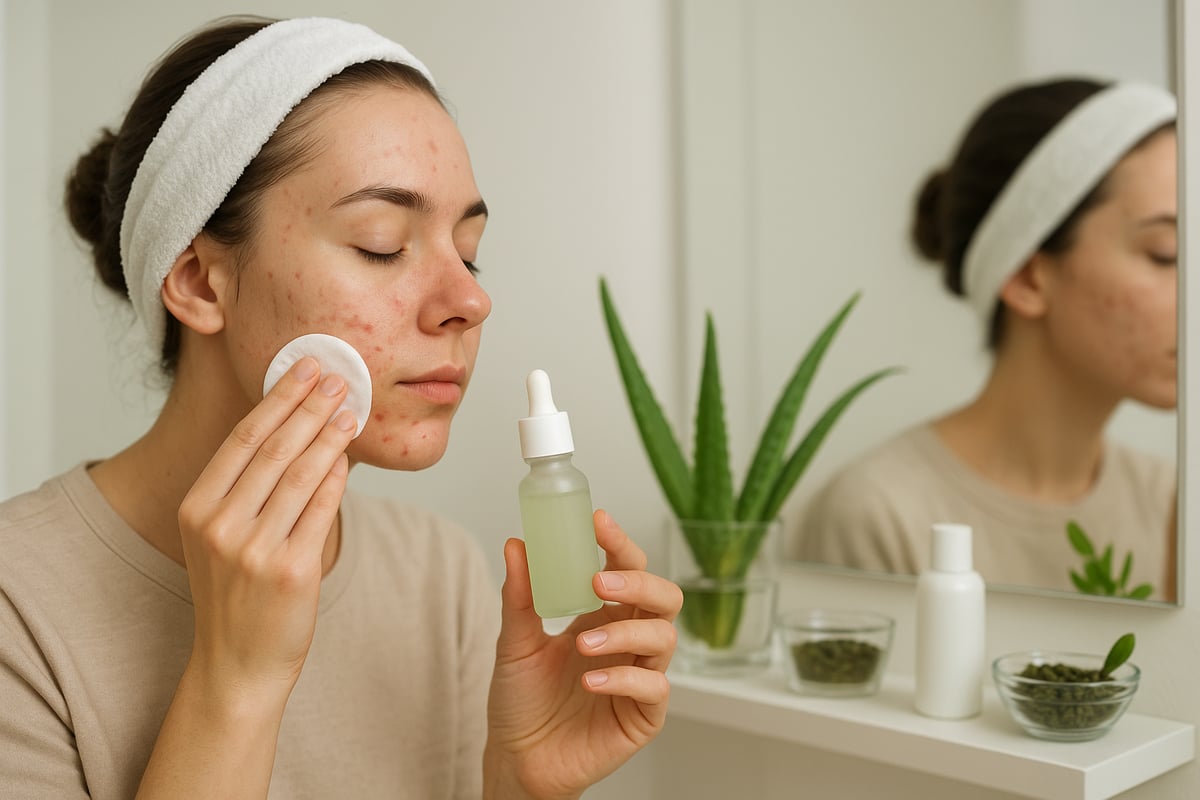
A well-structured acne routine starts with cleansing to remove dirt, excess oil, and makeup. Use a gentle, non-irritating cleanser both morning and night. Exfoliating 1–2 times a week helps remove dead skin cells and prevent clogged pores. Moisturizing is also important for oily or acne-prone skin, as balanced moisture levels strengthen the skin barrier.
Sunscreen should be used daily, as some acne treatments can make the skin more sensitive to UV rays. Always adapt products to your skin type – oily, dry or combination. One example is double cleansing in the evening, using an oil-based cleanser first and then a water-based cleanser to ensure all residue is removed.
Choosing products – what should you avoid?
When choosing acne products, it's important to avoid ingredients that can clog pores or irritate the skin. Opt for products labeled "non-comedogenic," which means they won't contribute to clogged pores. Avoid strong fragrances and alcohol, as these can dry out and irritate the skin.
Some common ingredients to avoid for acne:
- Mineral oils
- Lanolin
- Coconut oil (in some cases)
- Synthetic dyes
Always read the ingredient list carefully. Remember that even natural products can be comedogenic, so test new products carefully and evaluate your skin's reaction.
The benefits of natural and organic products
Many people are now looking for natural and organic alternatives to treat acne. These products often contain plant-based ingredients with anti-inflammatory and antibacterial properties, which can help soothe irritated skin and reduce breakouts.
Benefits of natural ingredients:
- Less risk of irritation and side effects
- Supports the skin's own healing process
- Many plant extracts, such as tea tree oil, aloe vera, and green tea, have been shown to be effective against acne.
If you want to delve deeper into the subject and discover more benefits, read about natural ingredients for clearer skin . By choosing organic solutions, you also contribute to more sustainable skin care.
Adaptation to seasonal changes and climate
Skin needs change with the seasons, especially when it comes to acne. During the winter, skin can become drier, requiring more hydration and protective creams. In the summer, humidity and sebum production increase, which can lead to more breakouts.
Practical tips:
- Choose thicker creams and barrier-strengthening products in winter
- Use lighter gel-based moisturizers during warm months
- Be extra careful with sun protection all year round
By adapting your skincare routine to the season, you reduce the risk of acne being exacerbated by climate-related changes.
Skincare routines for men and women
There are some differences between men's and women's skin, which affect how acne is treated. Men often have thicker skin and higher sebum production, which may require more vigorous cleansing and specialized products. Shaving can also irritate the skin and worsen acne if the right technique and products are not used.
Tips for men:
- Use mild shaving products and avoid alcohol-based aftershaves
- Choose gel or foam that is non-comedogenic
- Cleanses skin after exercise and shaving
Women may need to adjust their routine during their menstrual cycle, as hormonal changes affect acne. Regardless of gender, a consistent, customized routine is crucial for long-term skin health.
Step 4: Lifestyle and Diet – How Your Choices Affect Acne
Lifestyle and diet play a crucial role in how your skin feels and how acne develops. Many people underestimate how small changes in everyday life can make a big difference. By understanding the connections between food, stress, exercise and environment, you can effectively reduce the risk of acne and support the skin's natural healing process.
The role of diet: what does the research say in 2025?
Research shows that certain foods can affect the risk of acne. High intake of sugar, dairy products and fast carbohydrates have been linked to poor skin. At the same time, anti-inflammatory diets, rich in omega-3 and probiotics, are being promoted as beneficial.
According to new studies, dietary changes can reduce acne by up to 30 percent. Natural ingredients like green tea, turmeric, and berries have been shown to have anti-inflammatory properties that can provide extra support for the skin. If you want to delve deeper into the scientific state of affairs, you can read more here: Acne and Diet: What Does the Research Say? .
| Foods to avoid | Foods to prefer |
|---|---|
| Fast food | Fatty fish (omega-3) |
| Dairy products | Green leafy vegetables |
| White bread, pasta | Berries, nuts, seeds |
Stress management and sleep
Stress is one of the most common causes of acne, as it affects the body's levels of cortisol. When the stress hormone increases, sebum production is stimulated, which can lead to more breakouts. Lack of sleep also worsens inflammation in the skin.
To combat acne, it's important to prioritize recovery. Try mindfulness, meditation, or deep breathing. Create a regular sleep routine and aim for at least seven hours of sleep per night. Natural supplements like chamomile tea and lavender can help promote better sleep and calmer skin.
Exercise and hormone balance
Regular physical activity helps the body regulate hormones and improves blood circulation, which can reduce acne. Exercise also helps reduce stress, which in turn benefits the skin.
Remember to always shower after exercising so that sweat and bacteria don't remain on your skin. Yoga and walking are especially good for balancing hormones and reducing stress-related acne. Natural skin care products with aloe vera or tea tree oil after exercise can soothe the skin and prevent irritation.
Environmental factors and everyday habits
Your environment also affects your risk of acne. Air pollution, dirty cell phones, and pillowcases all contribute to bacteria accumulating on your skin. Changing your pillowcases frequently and cleaning your accessories can help reduce your risk of breakouts.
- Change your pillowcase twice a week
- Clean your cell phone and glasses daily
- Wash hats and scarves regularly
Choose natural cleansers and avoid harsh chemicals near your face. This will protect your skin from unnecessary irritation and help it recover from acne.
Step 5: Prevention, Scars and Long-Term Skin Health
Preventing acne from recurring requires a long-term strategy and patience. The most important thing is to establish a consistent skin care routine and avoid popping pimples, which can worsen inflammation and increase the risk of scarring. Regular visits to a dermatologist provide professional guidance and follow-up.
Natural ingredients like tea tree oil and aloe vera can be effective in preventing acne. These substances have antibacterial and anti-inflammatory properties, which reduce the risk of new breakouts. Retinoids are also a popular choice for preventing acne, as they help renew the skin and keep pores free from blockages.
Relapse prevention strategies
Maintaining a consistent skincare routine is crucial to avoiding acne flare-ups. Avoid touching your face with dirty hands and always choose products that are labeled non-comedogenic. For people with sensitive skin and acne flare-ups, it's especially important to use gentle products and follow the Skincare Routine for Sensitive Skin to minimize irritation.
Tips for prevention:
- Wash your face morning and night.
- Use mild cleaning products
- Avoid squeezing or picking at pimples
Regular use of natural substances such as niacinamide and licorice root helps keep the skin in balance and minimizes the risk of new acne outbreaks.
Management and treatment of acne scars
After acne has healed, scars and pigment changes may remain. It is important to distinguish between pigmentation, which is often temporary, and deeper scar tissue. Treatments such as microneedling, chemical peels and lasers have shown good effects on scarring and skin texture.
Statistics show that about 20 percent of people with acne develop permanent scars. Early treatment can reduce the risk of scarring and improve the appearance of the skin.
Natural ingredients, such as sea buckthorn oil and calendula, have soothing and restorative properties and can support the healing process after acne.
Skin recovery and barrier strengthening
A strong skin barrier is key to long-term skin health and reduced susceptibility to acne. Ingredients like ceramides, niacinamide and natural oils strengthen the skin's defenses against external aggressors.
Natural products, such as oat extract and squalane, help to moisturize and soothe the skin. These substances reduce the risk of irritation and help the skin recover after acne breakouts.
Choosing products with natural ingredients minimizes the risk of side effects and gives the skin the opportunity to build its own resistance over time.
Skincare trends 2025 – what's next?
The future of acne skincare is characterized by personalization and technological innovation. AI and DNA analysis provide personalized solutions and increase the chance of long-lasting results.
More brands are investing in vegan, organic and sustainable products, which benefits both the environment and sensitive skin. Probiotic skincare and microbiome-adapted products are on the rise and can contribute to a balanced skin flora, which is especially valuable for people with acne.
The availability of advanced acne care is increasing, and natural ingredients will continue to play a central role in future treatments.
How to Choose Products With Natural Ingredients
Choosing the right products with natural ingredients can make a big difference for those struggling with acne. Natural substances often have anti-inflammatory and antibacterial properties that help the skin recover and reduce irritation. Many people find that their acne improves when they switch to gentler, organic alternatives.
Benefits include reduced risk of side effects, fewer synthetic additives, and better tolerance for sensitive skin. Products formulated for acne with natural ingredients can help balance sebum production and calm redness.
If you want to start with natural routines, you can explore Facial Cleansers for Acne-Prone Skin where several organic and gentle options are offered. By choosing products with documented natural ingredients, you will receive gentle but effective support in your daily skin care.
Benefits of natural and organic skin care products
Natural acne products are often gentler and contain fewer irritants. They are especially suitable for sensitive skin or if you want to avoid synthetic additives. Common benefits include:
- Less risk of allergic reactions
- Anti-inflammatory and antibacterial effects
- Supports the skin's own recovery
For example, tea tree oil and aloe vera are clinically proven ingredients that can reduce acne and redness. Natural products also contribute to the long-term health of the skin by respecting the skin's microbiome.
Read and understand the ingredient list
When choosing acne products, it's important to understand the ingredients. Labels like "organic," "natural," "vegan," and "cruelty-free" can guide you, but it's the ingredient list that reveals the true contents of the product.
| Marking | Importance |
|---|---|
| Echo | Organic raw materials |
| Natural | Ingredients from nature |
| Vegan | No animal ingredients |
| Cruelty-free | Not tested on animals |
Avoid parabens, silicones and sulfates, which can irritate acne-prone skin. One tip is to choose products with shorter ingredient lists to minimize the risk of unwanted reactions.
Common natural ingredients for acne
Several natural ingredients have been shown to be effective against acne. Some of the most commonly used are:
- Green tea: Rich in antioxidants, reduces inflammation
- Salicylic acid from willow bark: Dissolves clogged pores
- Niacinamide from yeast: Reduces redness and strengthens the skin barrier
- Sea Buckthorn Oil: Promotes healing and protects the skin
- Calendula: Soothes and moisturizes irritated skin
By including these substances in your routine, you can fight acne in a gentle and natural way.
How to find the right products for your skin type
To successfully treat acne, it's important to adapt the products to your skin type. Oily skin does best with light gels, while dry skin needs more moisturizing creams. Sensitive skin requires extra gentle ingredients.
Test new products gradually and always do a patch test before full use. This way you can evaluate the effect and avoid unexpected reactions. Adapt your skin care according to the season and your skin's current needs for best results.
The Future of Acne Care: Innovations and Sustainability
The future of acne treatment is evolving rapidly. New technologies, sustainable choices, and natural ingredients are shaping how we care for our skin. At the same time, environmental and health awareness is increasing, affecting both products and methods. Let’s explore the most exciting innovations and trends in acne care in 2025.
New technologies and treatments in acne care
Technology is revolutionizing acne treatment. AI-based skin analysis and smart apps provide personalized advice directly on your phone. By scanning your skin, apps can identify different acne types and suggest customized serums or treatment plans. Some apps even analyze your skin's microbiome to balance your bacterial flora and reduce inflammation.
Laser and IPL are increasingly being used to treat severe acne and reduce scarring, while microneedling and chemical peels are becoming more widely available. These methods can be combined with natural extracts like aloe vera or green tea to soothe the skin after treatment.
National guidelines and innovations often go hand in hand. For those who want to delve into recommendations for new treatments, there is the National Recommendations for School Nurses Regarding Acne , which provides an overview of current methods and training.
Sustainability and environmentally friendly choices
Sustainability is central to acne care in 2025. More brands are investing in organic packaging, recyclable materials and climate compensation. Products with natural ingredients, such as sea buckthorn, tea tree oil and aloe vera, reduce the risk of environmentally harmful residues.
Here is a comparison between traditional and sustainable choices:
| Property | Traditional acne product | Sustainable acne product |
|---|---|---|
| Packaging | Plastic | Recyclable/eco |
| Ingredients | Synthetic | Natural/organic |
| Environmental impact | High | Low |
| Side effects | Usual | Less common |
By choosing sustainable acne products, you contribute to both the health of your skin and the environment.
Vegan and cruelty-free options
The demand for vegan and cruelty-free acne products is steadily increasing. More brands are being certified to international standards, guaranteeing that the products are not tested on animals and do not contain animal ingredients. Certifications such as Leaping Bunny and Vegan Society are becoming more common on shelves.
Benefits of vegan acne products include:
- Less risk of allergies and irritation
- Natural anti-inflammatory ingredients
- Ethical and environmentally friendly choices
Examples of popular vegan ingredients include calendula, plant-based niacinamide, and green tea extract, which effectively relieve acne symptoms and strengthen the skin barrier.
Summary of the most important trends in 2025
The clearest trends in acne care in 2025 are personalization, natural ingredients and digital advice. More products are being developed for sensitive and mature skin, and advanced technology is making effective treatments available to more people.
Natural ingredients like tea tree oil and aloe vera are proving particularly beneficial, as they both reduce inflammation and have antibacterial properties. The combination of innovation, sustainability and personalized solutions makes the future of acne care both more effective and environmentally friendly.
After learning about the latest research on acne, natural treatments and how small changes in your daily routine can make a big difference to your skin, you may feel ready to take the next step towards clearer, more balanced skin. If you want to explore skincare products that are carefully selected to strengthen your skin barrier, nourish and brighten, and protect both you and the environment, you can easily see which options are right for you. Let us inspire you to discover everyday luxury with care – See our range